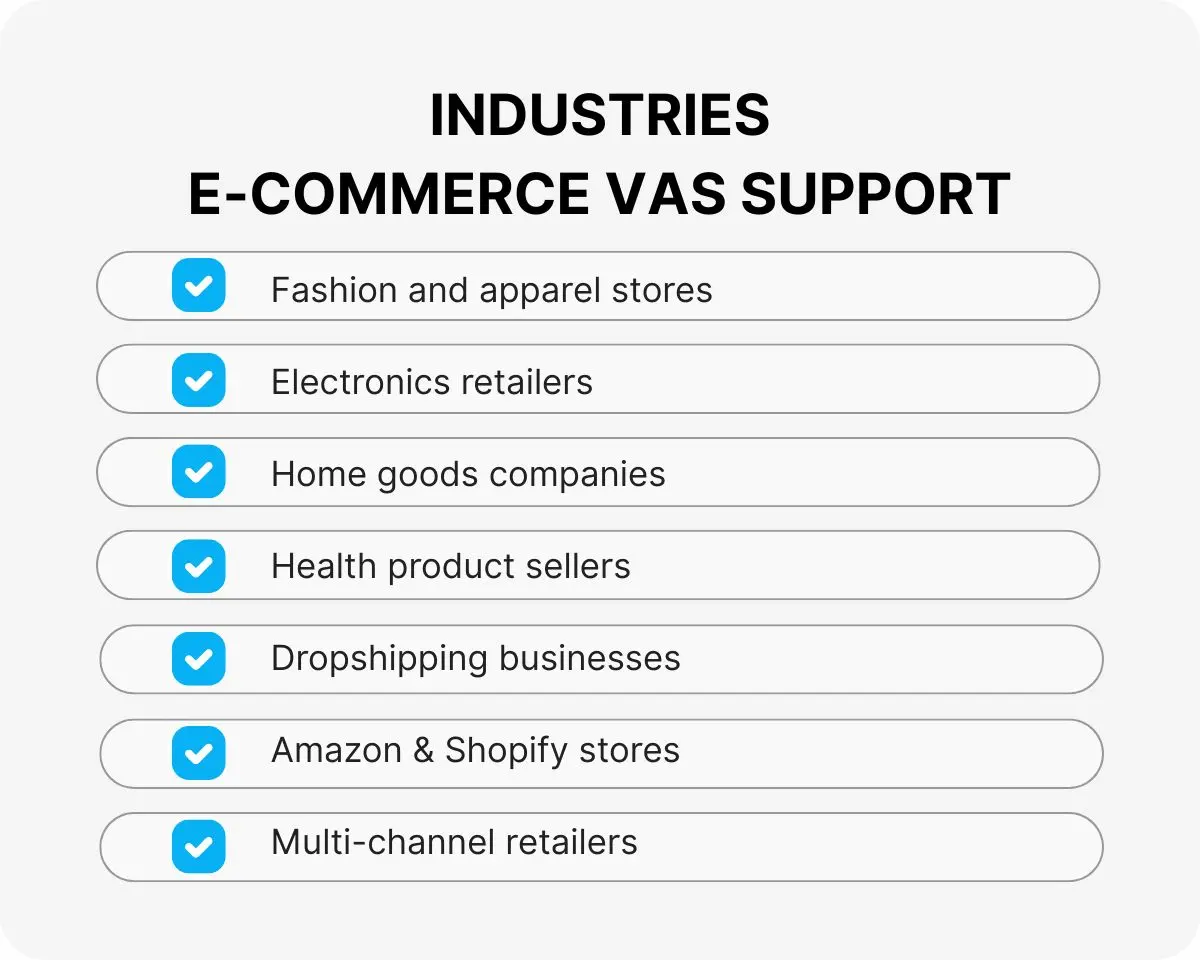
E-commerce outsourcing services enable businesses to streamline operations, reduce costs, and scale more quickly by outsourcing tasks such as fulfillment, customer support, and marketing to expert teams. Stealth Agents makes this easy by providing the top 1% of global talent to handle your online store’s daily operations so you can focus on growing your brand.
When it comes to scaling quickly, understanding the fundamentals of outsourcing can make all the difference. By leveraging specialized partners to take on repetitive or time-consuming tasks, you free up your internal resources for strategy and innovation. This approach is essential for companies aiming to move fast in today’s competitive online landscape, whether it’s managing high-volume order processing, delivering responsive customer care, or executing targeted digital marketing campaigns.
With the right outsourcing strategy, you gain access to best-in-class tools, flexible staffing, and proven operational workflows, making it easier to adapt to seasonal spikes, expand into new markets, and deliver a seamless customer experience as you grow.
E-commerce outsourcing services help companies manage their online stores, product packaging, customer service, and shipping and returns.
This way, businesses can focus on creating great products and strategies while experts handle the online details.
In this article, we’ll discuss e-commerce outsourcing, its benefits, the best companies to outsource e-commerce services to, and how to choose one.
Outsourcing with Stealth Agents means getting access to cutting-edge technology and tools for your business.
Book now to learn more about our pricing!
What is e-commerce services outsourcing?
Ecommerce virtual assistant services outsourcing involves hiring a specialized team or company to manage specific online business activities.
This can include website management, order processing and shipping, customer service, and social media handling.
By outsourcing these tasks, businesses can leverage expert support to grow efficiently, maintain customer satisfaction, and focus on core operations without handling every detail themselves.
Why Are More E-commerce Businesses Outsourcing Their Sales Functions?
E-commerce companies are increasingly handing off their sales functions to specialized teams, and with good reason.
By outsourcing sales, businesses can tap into a pool of trained professionals who already know how to close deals and build customer relationships, freeing up time to focus on product development, marketing, and growth.
Here are a few reasons why this approach is gaining traction:
- Expertise on Demand: Outsourced sales teams come equipped with industry know-how and proven techniques. Companies like Accenture, Concentrix, and Teleperformance bring tested playbooks and experienced agents to your brand from day one.
- Cost Efficiency: Hiring and training an in-house sales crew can be time-consuming and expensive. Outsourcing lets you avoid fixed payroll costs and scale your efforts up or down as sales cycles change.
- Speed and Flexibility: Outsourcing partners adjust quickly to industry trends and surges in demand, helping you reach new customers faster, without hefty startup delays.
- Access to the Latest Tools: Many outsourcing providers use advanced CRM platforms and automation tools (think Salesforce or HubSpot), giving your business an edge in tracking leads and converting sales.
What are the top eCommerce outsourcing services?
1. Website Development
Website development is a key service for setting up an online store. It’s like busting the foundation and walls of a shop in the digital world.
Professionals in this area work on creating a website that looks good, works smoothly, and is easy for customers to use.
They ensure your products are displayed well, the checkout process is easy, and everything loads fast.
2. Inventory Management
This service ensures that products are available when customers want to buy them, preventing excess inventory and sales losses.
To keep everything running smoothly, they use software to track stock levels, manage orders, and forecast future demand.
It can save a business time and money, making it a key component of successful eCommerce operations.
3. Order fulfillment and shipping
Order fulfillment and shipping services ensure that products reach customers quickly and efficiently.
By outsourcing these tasks, businesses can focus on other areas like product development and marketing.
This can be especially beneficial for growing businesses looking to scale up their operations without the added stress.
4. Customer service and support
Customer service involves helping customers through various means, such as email, chat, or phone calls, and handling their questions about products and purchases.
Customer support can lead to satisfied customers, repeat business, and positive reviews.
Common concerns when outsourcing customer service
Businesses considering outsourcing often worry that the quality of their customer service might dip.
These concerns usually revolve around a few key points:
- Loss of personalization: Companies fear that outsourcing may lead to robotic responses, making customers feel like they’re talking to a script rather than a helpful human, think the difference between chatting with a real person at Zappos versus a generic “Dear valued customer” email.
- Inconsistent brand experience: There’s anxiety that the outsourced team won’t understand or represent the company’s values or voice as well as the in-house staff, potentially confusing customers.
- Miscommunication and culture gaps: Companies sometimes worry that language barriers or cultural differences could affect how issues are understood and resolved.
- Reduced oversight: With a third party taking over, there’s a fear of losing direct control over how customer issues are handled.
Being aware of these concerns can help businesses address them head-on, ensuring quality support and happy customers no matter who answers the call.
Having a dedicated team from another company manage these interactions, ensuring customers receive professional help whenever needed.
Multilingual and Global Customer Support
Outsourcing providers ensure multilingual and global customer support by building diverse, international teams equipped to handle customer inquiries across multiple languages and time zones.
These teams use advanced communication platforms and translation tools, like Zendesk, Intercom, and Google Translate, to interact effectively with customers around the world.
With round-the-clock coverage, your business can offer seamless support whether a shopper is in New York or New Delhi. Agents are often trained to understand different cultural nuances, so responses feel local and personal, not one-size-fits-all.
In practice, this means customers get help in their native language and during their local business hours, leading to faster resolution times and higher overall satisfaction.
By outsourcing support globally, businesses can build trust with international buyers while maintaining consistent, top-tier service quality.
Having a dedicated team from another company manage these interactions, ensuring customers receive professional help whenever needed.
5. SEO, SEM, & social media management
SEO (Search Engine Optimization) is about making your online store more visible in search engine results pages.
Hire store management virtual assistants to help attract more visitors by ensuring your site appears high when people search for products or services you offer.
SEM (Search Engine Marketing) goes a step further by using paid advertising to increase visibility in search results.
Instagram virtual assistant and social media management involves creating and sharing content on platforms like Facebook, Instagram, and Twitter to engage with your audience.
Outsourcing your marketing services, especially SEO, SEM, and social media management, can be a game-changer for growing eCommerce brands. By leveraging specialized virtual assistants or agencies, you gain not only expertise but also save valuable time.
Professionals stay up-to-date with ever-changing algorithms and best practices, ensuring that your store keeps pace with the competition. Plus, a dedicated team can help you scale campaigns quickly, monitor analytics, and pivot strategies as needed to maximize ROI.
6. Content creation
Content creation involves engaging and relevant material for websites, blogs, product descriptions, and social media.
This service creates content that attracts and keeps customers interested, helping them make informed buying decisions.
Good content can set an eCommerce business apart by providing valuable information.
When you outsource content creation, you tap into a pool of talented writers, designers, and strategists who can craft compelling stories that reflect your brand’s voice.
Outsourcing allows for consistent posting schedules, quality control, and the flexibility to scale up production during peak seasons.
Whether it’s sharp product copy, informative blog articles, or eye-catching graphics, leveraging external experts ensures your content remains fresh, persuasive, and tailored to your audience’s needs.
7. Content Moderation in E-Commerce
Content moderation is an essential service for online stores that allows businesses to maintain a safe, trustworthy, and welcoming environment for their customers.
In the context of e-commerce, content moderation involves reviewing and managing user-generated content, like customer reviews, product questions, and images, so that inappropriate, offensive, or spammy material doesn’t end up on your site.
Typical moderation techniques include:
- Automated Filtering: Using tools that automatically detect inappropriate language or suspicious activity, flagging them for review.
- Human Review: Having real people scan through content submissions, ensuring nuanced and accurate moderation when automation isn’t enough.
- Pre-Moderation: Screening posts, reviews, or questions before they go live to the public.
- Post-Moderation: Allowing content to go live instantly but reviewing and removing anything out of line soon afterward.
- Blacklist and Whitelist Filters: Preventing content with certain words or phrases from appearing, or only allowing approved content through.
8. Content creation
Content creation involves engaging and relevant material for websites, blogs, product descriptions, and social media.
This service creates content that attracts and keeps customers interested, helping them make informed buying decisions.
Good content can set an eCommerce business apart by providing valuable information.
9. Photography and graphic design
This service includes taking high-quality pictures of products and creating eye-catching designs for websites and promotional materials.
It helps brands tell their story visually, making it easier for customers to understand what they buy.
10. Payment processing
It handles the transaction between your website and your customers, ensuring that the customer’s payment reaches your account safely and securely.
This service includes accepting credit card details, verifying them, and then carrying out the transaction while protecting against fraud.
11. Data analytics and reporting
These services provide detailed insights into customer behavior, sales trends, and operational efficiency.
Businesses can make informed decisions to enhance their product offerings and optimize their marketing strategies by analyzing this data.
12. IT support and maintenance
These services work behind the scenes to monitor your site’s performance, update software, and protect against cyber threats, helping you provide a seamless shopping experience for your customers.
How outsourcing supports subscription- and membership-based businesses
Running a subscription or membership business comes with its own set of daily challenges, think keeping track of renewals, managing member communications, processing returns, and making sure every box goes out on time.
Outsourcing can make these moving parts much more manageable, freeing up your team to focus on growth.
Here’s how outsourcing can streamline your subscription operations:
- Subscription and membership management: Outsourced teams can handle everything from member sign-ups and renewals to answering billing and shipping questions, ensuring members always get timely, helpful responses.
- Customer support via email and chat: Responsive support helps reduce churn and builds trust. A dedicated remote team steps in to answer customer concerns both before and after the sale, whether it’s troubleshooting an order or guiding new members.
- Order data entry and SKU management: Staying on top of hundreds (or thousands!) of individual orders each month is no small feat. Outsourced professionals can accurately process data, update inventory, and ensure that no shipment slips through the cracks.
- Returns, refunds, and exchanges: These aren’t anyone’s favorite tasks, but they’re essential for member satisfaction. Specialized teams can manage the entire process, making sure reimbursements and exchanges happen quickly.
- Photo editing and content creation: Standout product photos and engaging visuals are big membership drivers. Outsourced graphic design and photo editing services help create those eye-catching images that boost conversions.
- Data analytics and reporting: Need to understand what keeps your members happy or why some churn? Outsourced data specialists can dig into your customer feedback and key performance metrics, offering actionable insights for your team.
By letting experts handle these essential but time-consuming tasks, subscription and membership businesses, whether you’re running a BarkBox-style pet treat club or a wine-of-the-month service, can scale up service, keep members engaged, and focus on building their brand.
How to Effectively Outsource Inside Sales Operations
Outsourcing inside sales can be a smart move for businesses wanting to expand their reach without stretching internal resources too thin.
But for this strategy to be successful, there are a few key steps to follow.
1. Know What You Need
Begin by identifying which sales activities you want to outsource. This could be prospecting, lead qualification, closing deals, or managing ongoing client relationships.
Clear goals help you choose the right outsourcing partner and set up smooth processes from day one.
2. Choose the Right Partner
Research outsourcing companies with experience in your industry. Look at their track record, client testimonials, and case studies with brands like HubSpot, Shopify, or Zendesk.
A good provider should have trained sales agents, up-to-date technology, and a flexible approach to fit your specific requirements.
3. Set Clear Expectations
Make sure you communicate your sales targets, preferred methods, and reporting standards.
Create guidelines about messaging, brand voice, and customer interaction so your outsourced team represents your business just as you would.
4. Integrate and Collaborate
Don’t treat your outsourced sales team as a separate entity. Regular check-ins, training sessions, and feedback meetings help everyone stay aligned.
Use software tools like Salesforce or Slack to keep everyone connected and track your sales pipeline in real time.
5. Monitor and Optimize
Keep an eye on key performance indicators (KPIs) such as conversion rates, response times, and customer feedback. Regular reports allow you to spot trends and make improvements.
Many companies also run quarterly reviews to adjust goals and processes for maximum results.
By taking these steps, businesses can tap into expert sales talent, streamline operations, and accelerate growth, all without the overhead of building an in-house team from scratch.
Content moderation is all about ensuring that user-generated content on your online store, forums, or social media channels meets your community standards and guidelines.
This process helps keep your brand’s reputation intact by filtering out spam, offensive material, and anything that could harm your customers’ experience.
Outsourcing content moderation means hiring a professional team, often from a specialized provider, to review, approve, or remove posts, reviews, comments, and other types of content.
These experts know the ins and outs of popular platforms like Facebook, Instagram, and TikTok, and they use a mix of manual review and AI-driven tools to keep everything in check around the clock.
Here’s why outsourcing this job can make a difference for your business:
- Consistency and Speed: Professionals use clear guidelines to handle content fairly and efficiently, so nothing slips through the cracks or gets left for too long.
- Scalability: When your store or community grows, outsourced teams can quickly expand to handle more content without sacrificing quality.
- Reduced Costs: Hiring, training, and managing an in-house moderation team can be pricey. Outsourcing lets you tap into seasoned pros without the extra overhead.
- Risk Management: Keeping inappropriate or risky content off your platforms protects your brand from customer complaints and potential legal issues.
How outsourcing supports subscription- and membership-based businesses
Running a subscription or membership business comes with its own set of daily challenges; think keeping track of renewals, managing member communications, processing returns, and making sure every box goes out on time.
Outsourcing can make these moving parts much more manageable, freeing up your team to focus on growth.
Here’s how outsourcing can streamline your subscription operations:
- Subscription and membership management: Outsourced teams can handle everything from member sign-ups and renewals to answering billing and shipping questions, ensuring members always get timely, helpful responses.
- Customer support via email and chat: Responsive support helps reduce churn and builds trust. A dedicated remote team steps in to answer customer concerns both before and after the sale, whether it’s troubleshooting an order or guiding new members.
- Order data entry and SKU management: Staying on top of hundreds (or thousands!) of individual orders each month is no small feat. Outsourced professionals can accurately process data, update inventory, and ensure that no shipment slips through the cracks.
- Returns, refunds, and exchanges: These aren’t anyone’s favorite tasks, but they’re essential for member satisfaction. Specialized teams can manage the entire process, making sure reimbursements and exchanges happen quickly.
- Photo editing and content creation: Standout product photos and engaging visuals are big membership drivers. Outsourced graphic design and photo editing services help create those eye-catching images that boost conversions.
- Data analytics and reporting: Need to understand what keeps your members happy or why some churn? Outsourced data specialists can dig into your customer feedback and key performance metrics, offering actionable insights for your team.
By letting experts handle these essential but time-consuming tasks, subscription and membership businesses, whether you’re running a BarkBox-style pet treat club or a wine-of-the-month service, can scale up service, keep members engaged, and focus on building their brand.
How to Effectively Outsource Inside Sales Operations
Outsourcing inside sales can be a smart move for businesses wanting to expand their reach without stretching internal resources too thin.
But for this strategy to be successful, there are a few key steps to follow.
1. Know What You Need
Begin by identifying which sales activities you want to outsource. This could be prospecting, lead qualification, closing deals, or managing ongoing client relationships.
Clear goals help you choose the right outsourcing partner and set up smooth processes from day one.
2. Choose the Right Partner
Research outsourcing companies with experience in your industry. Look at their track record, client testimonials, and case studies with brands like HubSpot, Shopify, or Zendesk.
A good provider should have trained sales agents, up-to-date technology, and a flexible approach to fit your specific requirements.
3. Set Clear Expectations
Make sure you communicate your sales targets, preferred methods, and reporting standards.
Create guidelines about messaging, brand voice, and customer interaction so your outsourced team represents your business just as you would.
4. Integrate and Collaborate
Don’t treat your outsourced sales team as a separate entity. Regular check-ins, training sessions, and feedback meetings help everyone stay aligned.
Use software tools like Salesforce or Slack to keep everyone connected and track your sales pipeline in real time.
5. Monitor and Optimize
Keep an eye on key performance indicators (KPIs) such as conversion rates, response times, and customer feedback. Regular reports allow you to spot trends and make improvements.
Many companies also run quarterly reviews to adjust goals and processes for maximum results.
By taking these steps, businesses can tap into expert sales talent, streamline operations, and accelerate growth, all without the overhead of building an in-house team from scratch.
Content moderation is all about ensuring that user-generated content on your online store, forums, or social media channels meets your community standards and guidelines.
This process helps keep your brand’s reputation intact by filtering out spam, offensive material, and anything that could harm your customers’ experience.
Outsourcing content moderation means hiring a professional team often from a specialized provider to review, approve, or remove posts, reviews, comments, and other types of content.
These experts know the ins and outs of popular platforms like Facebook, Instagram, and TikTok, and they use a mix of manual review and AI-driven tools to keep everything in check around the clock.
Here’s why outsourcing this job can make a difference for your business:
- Consistency and Speed: Professionals use clear guidelines to handle content fairly and efficiently, so nothing slips through the cracks or gets left for too long.
- Scalability: When your store or community grows, outsourced teams can quickly expand to handle more content without sacrificing quality.
- Reduced Costs: Hiring, training, and managing an in-house moderation team can be pricey. Outsourcing lets you tap into seasoned pros without the extra overhead.
- Risk Management: Keeping inappropriate or risky content off your platforms protects your brand from customer complaints and potential legal issues.
Best eCommerce Outsourcing Company
Stealth Agents is renowned as a top eCommerce outsourcing company offering exceptional virtual assistant services.
We take pride in providing access to the top 1% of global talent, ensuring that your business receives the utmost quality and expertise.
With our competitive rates of just $10 and $15 per hour, you can leverage the best skill sets without compromising your budget.
Our highly skilled professionals specialize in various e-commerce services, including inventory management, customer support, and digital marketing, explicitly tailored for US clients.
By choosing us, you will save on costs and gain a dedicated team committed to elevating your e-commerce operations.
Let us help you achieve your business goals while you focus on expanding your brand!
What are the benefits of e-commerce outsourcing?
1. Cost Savings
Instead of spending a lot of money on hiring full-time staff, training them, and maintaining expensive infrastructure, companies can outsource tasks like customer service, web development, and digital marketing.
This approach reduces overhead costs and allows businesses to tap into a global talent pool, often at a fraction of the price.
2. Focus
This allows the business to redirect its focus towards core activities like product development and strategy implementation.
Companies can ensure high-quality customer interactions by entrusting specialized external teams with these responsibilities.
3. Access to Expertise
This includes sophisticated strategies for digital marketing, web development, customer service, and supply chain management.
Essentially, companies gain access to top-tier talents and specialized skills that might not be available in-house.
This elevates the quality of online services offered and positions the business for more robust growth in online shopping.
4. Lean Management
This method improves the overall customer experience by streamlining order fulfillment, reducing errors, and speeding up delivery times.
When e-commerce businesses outsource their operations using a lean management perspective, they can achieve higher operational efficiency.
5. Scalability and Flexibility
It also gives businesses the power to adjust their operations quickly according to the market. Thus, they can easily scale up to handle increases in orders during peak seasons or scale down when things are slow.
This flexibility is crucial for staying competitive and responsive in the fast-paced e-commerce world.
6. Reduced Time to Market
On the other hand, businesses can bypass the time-consuming tasks of building and managing certain aspects of their online presence.
This means they can launch new offerings faster and respond more swiftly to market changes.
7. Increased Efficiency
Outsourced experts handle various tasks, like customer service, fulfillment, and web management.
This setup allows businesses to operate more smoothly because each aspect is managed by professionals specializing in that area.
This way, business owners can focus on big-picture strategies and growth, knowing the day-to-day tasks are in good hands.
How to Choose the Right E-Commerce Outsourcing Company?
First, you should look at their experience and track record. Ensure they have successfully worked with businesses similar to yours.
Next, check out their services and see if they match your needs, such as web development, customer support, or digital marketing.
Communication is key, so find a company that responds promptly and clearly to your queries.
Hire virtual assistant SEO services at Stealth Agents with an affordable or cheap virtual assistant that may fit your budget.
Finally, reviews and testimonials from other clients can give you insight into their reliability and the quality of their work.
Why Choose Stealth Agents
At Stealth Agents, we combine world-class talent, cutting-edge tools, and unmatched service to help you scale faster and work smarter. Our team is handpicked from the top 1% of virtual assistants, ensuring you get the expertise and professionalism you deserve. Recognized by Forbes and praised by clients worldwide, we are committed to delivering results you can trust.
Highlights:
-
Hire 10–15+ years experienced executive assistants Gain the advantage of seasoned professionals who understand complex business needs and deliver high-level support.
-
Dedicated account manager Enjoy personalized guidance and a single point of contact for seamless communication and project management.
-
Cloud platform Access and manage your tasks anytime, anywhere, with our secure and user-friendly platform.
-
Best reviews on Google Join hundreds of satisfied clients who rate us highly for reliability, efficiency, and outstanding results.
-
Top 1% virtual assistants Work with elite talent who consistently exceed industry standards.
-
Recognized by Forbes as Top 2 virtual assistant service, Trust a brand celebrated for excellence and proven impact.
Is Outsourcing Good for E-Commerce Services?
Firstly, it allows companies to focus on their core business strategies while experts handle other tasks, like customer support, logistics, and IT services.
Secondly, it helps reduce costs instead of investing in hiring full-time staff, training them, and providing the required infrastructure.
Lastly, outsourcing offers flexibility. E-commerce businesses often experience fluctuating volumes of orders and customer queries.
Frequently Asked Questions
What are the benefits of e-commerce outsourcing in 2025?
E-commerce outsourcing allows businesses to focus on growth while experts handle specialized tasks. It can enhance efficiency, improve customer experience, and provide access to skilled professionals for activities like customer support, web development, and marketing. Outsourcing also offers scalability, cost savings, and flexibility, making it a strategic choice for businesses looking to stay competitive in a rapidly evolving market.
How do I protect my business data when outsourcing e-commerce operations?
To keep your data safe, use signed NDAs, check for SOC 2 compliance, and ensure communication is encrypted. Choose providers with ISO 27001 certification and set clear rules for handling data. Use secure VPNs, limit who can access data, and keep detailed logs of data use. Regular security checks help keep your information protected.
Which e-commerce platforms work best with outsourced teams?
Platforms like Shopify, WooCommerce, Magento, and BigCommerce work well with outsourced teams. They have APIs and user controls that make it easy for remote teams to collaborate. These platforms also offer tools for inventory management, analytics, and third-party integrations, which help teams work together in real time, even across time zones.
What are the biggest risks when outsourcing e-commerce functions?
Risks include losing control over quality, communication problems, data breaches, cultural differences, and relying too much on outside providers. Time zone gaps can delay urgent tasks, and poorly chosen vendors may deliver low-quality work. Hidden costs, contract issues, and intellectual property theft are also concerns. Careful planning, clear contracts, and regular checks can reduce these risks.
How long does it typically take to onboard an outsourced e-commerce team?
Onboarding usually takes 1-4 weeks, depending on the complexity of the tasks. Simple jobs like data entry or basic customer support can start in 3-5 days. More complex tasks like inventory management or custom development may take 2-4 weeks. Factors like team size, training needs, and system setup affect the timeline.
What contract terms should I negotiate with e-commerce outsourcing providers?
Your contract should include performance goals, clear rules for ending the agreement, data security terms, and intellectual property protection. Ask for flexible scaling options, clear steps for handling disputes, and penalties for poor performance. Include confidentiality agreements, limits on liability, and a detailed description of the work. Regular reviews and exit plans help keep the partnership successful.
Can small e-commerce businesses benefit from outsourcing services?
Yes, small e-commerce businesses can benefit by getting expert help without hiring full-time staff. Tasks like customer support, inventory management, and marketing can be outsourced at a lower cost. This helps small businesses compete with larger ones while keeping their operations lean. Choosing the right provider and clear communication are key to success.
What time zones work best for e-commerce outsourcing partnerships?
The best time zone depends on your business and customers. For US businesses, nearshore options like Latin America offer overlapping work hours, while offshore locations like the Philippines or India provide 24/7 support. European businesses often choose Eastern Europe for cultural similarities. Think about your busiest customer hours and how quickly you need responses when deciding.
How do I measure ROI when outsourcing e-commerce operations?
To measure ROI, compare outsourcing costs to what you’d spend on in-house operations. Look at savings on salaries and benefits, faster task completion, and increased revenue from better service. Track metrics like customer satisfaction, order processing times, and fewer errors. Include both direct savings and the value of focusing your team on more important tasks.
What backup plans should I have for e-commerce outsourcing relationships?
Have backup vendors ready, keep detailed process documents, and train your team to handle key tasks if needed. Make sure you have access to all accounts, passwords, and systems. Set up agreements with penalties for missed service levels and create clear handover plans. A mix of outsourced and in-house resources can help ensure smooth operations during changes or emergencies.