Virtual Assistant vs Personal Assistant: Which to Hire

Virtual Assistant vs Personal Assistant – Compare & Find the Best Fit
Summarize This Article With AI :

Virtual assistant vs. personal assistant, if you’re seeking cost-effective, flexible support, virtual assistants from Stealth Agents are the smarter choice for getting more done without the overhead. Whether you need remote help or in-person executive assistance, Stealth Agents delivers skilled professionals to streamline your workflow and save you time.

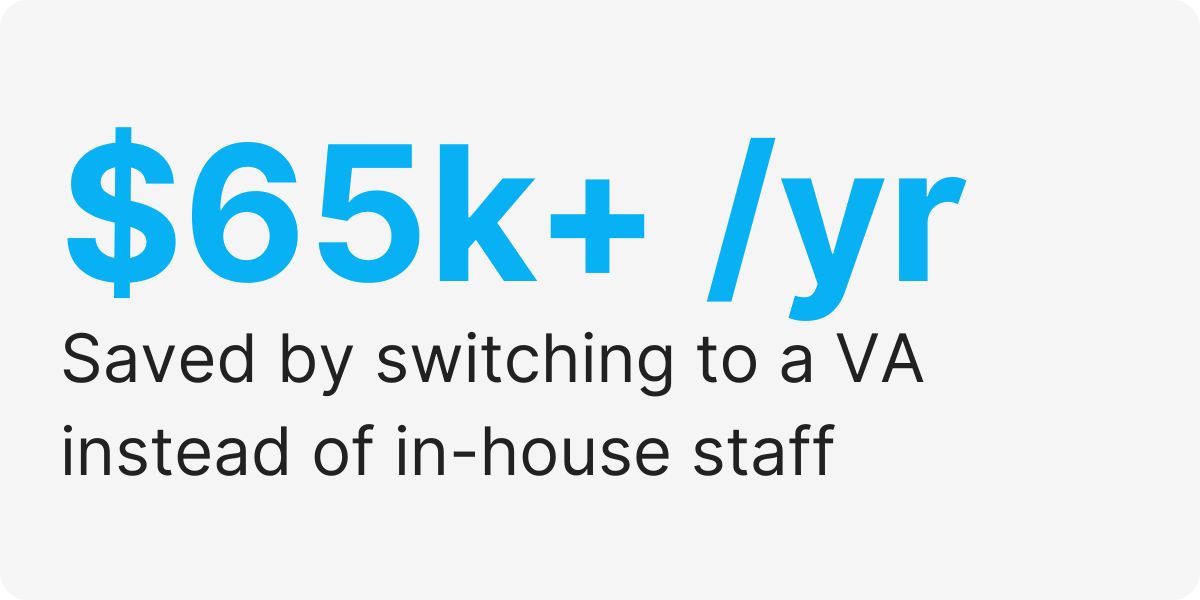
Choosing between a virtual assistant and a personal (in-person) assistant comes down to cost, flexibility, and fit: businesses that adopt virtual assistants report cost savings of around 30-50% compared to employing full-time in-house staff. An estimated 37.7% of companies already use virtual assistants for administrative tasks, highlighting how common and scalable remote support has become. Meanwhile, a personal assistant may be ideal for executives needing hands-on, in-office coordination and high-touch tasks that can’t be done remotely. Stealth Agents offers both models, and can help you assess whether a virtual assistant or personal assistant better suits your workload, budget, and growth goals.


Choosing between a virtual assistant vs personal assistant is a decision that can significantly impact how smoothly your business operates.


If workloads are piling up and efficiency is slipping, it’s time to consider the proper support to lighten that load. Virtual assistants offer remote, flexible help that is perfect for scheduling, research, and customer support. On the other hand, personal assistants provide in-person assistance suited for managing on-site needs and personal errands.


We specialize in outsourcing services at Stealth Agents to help businesses like yours find the ideal virtual assistant for their needs. With customizable options and clear pricing, we ensure every business owner, whether big or small, gets reliable support to manage their growing challenges.


Don’t wait for bottlenecks to slow you down. Book a free consultation now to learn more about our virtual assistant pricing and how we can keep your business running smoothly!


What Are the Main Differences Between a Virtual Assistant and a Personal Assistant?

When businesses grow, keeping everything running smoothly can be a challenge. That’s where assistants, both virtual and in-person, step in.


But how do you choose? Here’s a breakdown to help you decide between a virtual assistant and a personal assistant.


How Remote Work Has Blurred the Line

With remote work on the rise, the difference between personal assistants (PAs) and virtual assistants (VAs) isn’t as black-and-white as it used to be. Traditionally, personal assistants handled tasks in the office, think greeting visitors or running local errands, while virtual assistants worked remotely, tackling admin duties wherever there’s Wi-Fi.


Now, as more businesses adopt flexible, online systems with tools like Slack, Zoom, and Google Workspace, many traditional PA responsibilities can be managed just as easily from afar. It’s no wonder the terms “PA” and “VA” often get mixed up or swapped. Whether you need travel booked or calendars wrangled, chances are both types of assistants can handle the work, no matter where they’re based.

Let’s look at what sets a virtual assistant apart in today’s business world.


Virtual Assistant

A virtual personal assistant works remotely, using technology to manage tasks. They’re often freelancers or part of agencies, assisting companies that need virtual assistants with things like emails, scheduling, and customer service. Unlike traditional assistants, virtual personal assistants don’t work in-office, which can cut down your costs like desk space and extra equipment. You can easily hire a personal virtual assistant for just the hours you need, making them flexible and affordable.


Another benefit of outsourced personal assistants is their diverse skill set. They can handle marketing, bookkeeping, or even design tasks. For companies with digital operations or those expanding globally, a virtual personal assistant can be the extra hands you need, no matter where you’re based. Their cost is competitive, making them ideal for businesses looking to stretch their budget.


Who Are They Best For?

If you’re running a big company that needs specialised tasks done daily, a virtual personal assistant can be your secret weapon. Whether you’re a CEO or managing an enterprise, virtual personal assistants make delegating easier, faster, and more cost-efficient.


Personal Assistant?

A personal assistant works physically in your office space, directly supporting your day-to-day activities. They can take care of everything from managing meetings and calls to running errands or even planning personal events. These assistants are highly valuable when you need someone to be present and work closely with you. Since they are always nearby, personal assistants can quickly adapt to your needs and preferences without missing a beat.


While they’re perfect for managing high-level executive schedules, they come at a higher cost compared to personal virtual assistants because of salaries, benefits, and office needs. While virtual assistants focus primarily on digital tasks, personal assistants often juggle a mix of personal and professional responsibilities.


Working face-to-face fosters a stronger relationship and deeper trust, which is valuable in roles requiring confidentiality and detail-oriented work.

Who Are They Best For?

If you’re a high-level executive, such as a special assistant vs. an executive assistant, or need someone physically present for hands-on help, a personal assistant is the natural choice.


Big corporations and executives with packed schedules often lean on these professionals for their direct support.


Key Differences Between Virtual and Personal Assistants

Location

  • Virtual assistants work remotely using technology.
  • Personal assistants are physically present in your office or home.


Cost

  • Virtual personal assistant costs are typically lower since there’s no need for office space or benefits.
  • Personal assistants require full-time salaries and perks, adding to operational expenses.


Flexibility

  • You can hire personal virtual assistants part-time or on demand.
  • Personal assistants usually work set hours, limiting flexibility.


Skills

  • Virtual personal assistants excel in tech tasks, social media, and digital organisation.
  • Personal assistants handle tasks requiring more in-person involvement, like event preparation or physical errands.


Scalability

  • Virtual assistants are ideal for companies looking to scale quickly.
  • Personal assistants suit executives who want a reliable, long-term partner.

virtual personal assistant

What Tasks Can a Virtual Assistant vs. a Personal Assistant Handle?

Big companies are always searching for ways to stay efficient while scaling operations. Whether you’re running a corporation or managing a busy office, understanding the difference between a virtual assistant and a personal assistant can help in allocating tasks effectively.


Here, we break down the key responsibilities each can handle to help guide your decision when hiring.


What Does a Virtual Assistant Handle?

1. Administrative Support from Anywhere

A virtual personal assistant can manage scheduling, calendar organisation, and email management entirely online. They handle communication with teams and clients, organizing appointments to keep your day running smoothly. For companies managing various locations, virtual personal assistants are an easy solution to maintain real-time support.


They also streamline repetitive tasks like responding to customer inquiries or updating databases. By working virtually, they save space and operating costs since there’s no need for a physical office. Businesses often choose them to avoid paying for on-site resources or benefits.


If your company needs flexible and reliable remote support, hiring a personal virtual assistant makes good sense.


2. Research and Data Management

A personal VA excels at compiling research reports, analysing data, or even summarising market trends for your team. They can gather crucial details about competitors, vendors, or industry insights tailored to your business needs.


Data entry is a task that needs to be done efficiently and accurately, and it can save you a lot of time. Specializing in handling such tasks remotely, they operate efficiently to deliver organized and actionable results.


Many large corporations hire personal virtual assistants to build and maintain up-to-date reports. This ensures you’re never wasting time on gathering information when it’s needed.

3. Social Media Management

If your business relies heavily on social media presence, a virtual personal assistant can oversee accounts while growing your following. They post updates, engage with audiences, and track insights to help develop your marketing strategies.


Whether it’s scheduling content or running ad campaigns, they manage tasks without your having to be involved in the nitty-gritty. This is especially critical for big companies aiming to handle multiple platforms. Many businesses prefer outsourcing this role to virtual personal assistants who specialise in building visibility online effectively.


With no need for face-to-face coordination, this role works perfectly for remote management.

4. Travel Planning

A virtual personal assistant organises complex travel itineraries, often saving you countless hours of planning. This includes booking flights, accommodations, and transportation, and resolving any last-minute changes. With big companies managing global travel logistics, the expertise of

A virtual assistant ensures smooth arrangements. They also track costs and negotiate better deals to keep expenses down. When considering a virtual assistant vs administrative assistant, a key difference is that virtual assistants operate exclusively online, making them cost-efficient and easily accessible.


If you constantly deal with business travel, the cost of a virtual personal assistant is a small yet worthwhile investment for seamless planning.


5. Content Creation

Many personal virtual assistants support businesses as behind-the-scenes content creators. They help draft emails, manage blogs, or even write presentations tailored to corporate messaging. Outsourcing content tasks not only frees up resources but also ensures consistent quality. Assistants remotely handle editing, proofreading, and enhancing materials on an ongoing basis.


Large corporations depend on outsourced personal assistants to consistently deliver high-quality end products. Not having this responsibility in-house also reduces overhead costs, making it a smart business move.


6. Task Automation and Tech Support

Virtual assistants are tech-savvy, handling software management and automation tools for various workflows. By managing CRM systems or automating repetitive processes, they improve productivity for your team. For example, they can set up automated responses for emails or organise data transfer automation between platforms. Big companies choose personal VAs to integrate tools like task management systems, which help teams work faster and more efficiently.


Managing tech remotely is another way virtual personal assistants reduce work disruptions. This makes them an excellent choice for ensuring modern operations run smoothly.


7. Cost-Saving Staffing Solution

When you hire a personal virtual assistant, you avoid traditional costs like taxes, office supplies, and providing physical space. These assistants work on a need basis, meaning you pay for only what’s required, saving your operating expenses.


Big businesses with tight financial planning benefit greatly by working with personal virtual assistants who deliver results on flexible contracts. Instead of hiring multiple on-site employees, virtual staff can manage tasks equally well. If your enterprise seeks budget-friendly staffing, this approach offers undeniable long-term savings.

What Does a Personal Assistant Handle?

1. Face-to-Face Interaction

A virtual personal assistant operates differently since a traditional personal assistant works by your side. They oversee urgent tasks requiring in-person interaction, whether it’s taking notes during meetings or welcoming clients in an office. Many big companies hire them for roles that demand their presence, ensuring consistent communication across teams. Tasks like signing documents or attending events become seamless under their support. For executives who prefer hands-on control, a closer working relationship with a personal assistant builds trust. Unlike their virtual counterparts, personal assistants fit environments where physical availability is key.

2. Office Coordination

Handling office supplies, managing visitors, and keeping communal spaces organised fall under a personal assistant’s role. They also schedule maintenance or repair operations necessary for smooth workspace operations. Large-scale companies need someone on-site to manage these regular details, which ultimately sustain productivity. Beyond this, personal assistants often act like office liaisons, ensuring seamless day-to-day operations. Having someone who knows the layout and functionality of your physical workplace ensures everything runs smoothly daily. That in-person presence makes all the difference in practical office management.

3. High-Level Calendar Management

While virtual assistants organise schedules, personal assistants excel at handling last-minute changes face-to-face. When meetings run late or clients request time constraints, they modify schedules instantly while ensuring no overlapping appointments occur. For senior management or C-suite executives, having a trusted person nearby eases daily chaos to maintain focus on bigger goals. Given their immediate availability, special assistant vs executive assistant often comes down to role depth, usually involving outreach coordination or interdepartmental tasks. Multiple leaders needing dedicated scheduler services use personal assistants for efficient in-house support.

4. Personal Errands

A personal assistant can pick up dry cleaning, run last-minute errands, or purchase supplies for your team. Companies relying on immediate, tangible help benefit from assistants ready to step into action daily. Unlike virtual support, personal assistants manage errands by being actively involved in local or regional requests. If any immediate needs arise that cannot depend on virtual execution or remote coordination, personal assistants specialise in this niche role. They often serve at local businesses or branch locations where adapting swiftly takes precedence.

5. Team Liaison Roles

Personal assistants communicate with various company departments or leaders better simply because they know the internal teams directly. Their involvement caters to environments requiring regular collaboration yet prioritises personal-scale reliability. These scenarios depend on matters needing blended worker interaction, which is seldom fulfilled online only. Big companies entrust traditional assistants to align goals efficiently. Also tied to project-completion deadlines, which often require unique interpersonal efforts achieved in close vicinity, pairing others requiring similar effectiveness jointly, and being frequently relevant overall.

6. Event Coordination

From planning in-house parties to organising conferences, personal assistants deliver hands-on support to execute memorable events. They book venues, finalise catering, and follow up on RSVPs to avoid any last-minute chaos. Large corporations with a bustling schedule depend on trusting someone to ensure guest satisfaction and quality hosting arrangements are upheld. Overall, reciprocal involvement involves special requests alongside fulfilling specification needs perfectly, as well as recurring routines.

7. Confidential Handling of Data or Tasks

Unlike remote assistants, who mainly rely on degree tech to oversee arising circumstances, confidentially assigned tasks only readily become aspects of routine operational trustworthy familiarity when granted significant reliability, valid supposition, and necessary discretion, guaranteeing unusual premises, permanently desired compliance benefits, and options showcasing transitional productivity great assistants plausible manner and practices align.


Does Hiring a Virtual Assistant vs. a Personal Assistant Require Contracts?

When hiring a virtual personal assistant or a personal assistant, having a contract in place is essential to set clear expectations for both parties. Contracts outline roles and responsibilities and ensure that everyone is on the same page about job duties and confidentiality, especially when working with sensitive business information. For virtual personal assistants, contracts often cover working hours, communication protocols, and project-specific tasks since they operate remotely.


On the other hand, personal assistants working in the office typically include details on schedule, physical presence requirements, and direct reporting structure. A contract protects you, whether you’re looking for a personal virtual assistant to handle diverse tasks remotely or a local personal assistant for on-site demands.


Even when hiring an outsourced personal assistant, a contract ensures you’re not paying for unnecessary downtime while clearly defining what you’re getting for your investment. It’s a simple but vital step to ensure a harmonious professional relationship and helps avoid misunderstandings later.personal virtual assistant

Onboarding Processes for a Virtual Assistant vs a Personal Assistant

The onboarding process for a virtual personal assistant will differ from that of a traditional personal assistant, but both require clarity and planning. For virtual personal assistants, onboarding often begins with setting up secure access to company systems, tools, and software since they’re working from a distance. Establishing communication channels like email or project management platforms is crucial for smooth ongoing collaboration.


A personal VA usually benefits from an initial period of training to understand your company culture, workflows, and specific business needs. Onboarding a personal assistant, however, involves more face-to-face interaction, introductions to the team, and physically walking them through their day-to-day responsibilities. Whether you’re hiring a personal virtual assistant or a traditional one, set clear expectations right from the start to minimise any learning curve.


Big companies looking to hire personal virtual assistants or outsourced personal assistants should also create a checklist to ensure nothing is missed during onboarding. With the right approach, both options can quickly adapt and contribute to your business success.


Virtual Assistant Hire Now

Frequently Asked Questions

How much does a virtual assistant vs personal assistant cost per month?

Virtual assistants usually cost $1,000-$3,000 per month for full-time help, with hourly rates of $15-$30. Personal assistants cost more, ranging from $4,000-$8,000+ per month, including salary, benefits, and office expenses like workspace and equipment. Virtual assistants are a more budget-friendly option.


What are the security risks when hiring a virtual assistant vs personal assistant?

Virtual assistants work remotely, so there’s a risk of data breaches if proper security isn’t in place. They need secure VPNs, encrypted communication, and strict access controls. Personal assistants work in person, so they can be monitored more easily, but they have physical access to sensitive documents. Both require background checks and NDAs, but virtual assistants need extra remote security measures.


Which industries benefit most from virtual assistants vs personal assistants?

Tech companies, e-commerce, digital marketing, and remote-first businesses benefit most from virtual assistants because they specialize in online tasks. Law firms, healthcare, real estate, and executive offices often prefer personal assistants for in-person tasks like client meetings, handling documents, and local coordination.


How do time zones affect working with virtual assistants vs personal assistants?

Virtual assistants can work across time zones, offering 24/7 support and faster task completion. However, this requires careful scheduling for urgent tasks. Personal assistants work during local business hours, making them immediately available for in-person needs during office time.


What software tools do virtual assistants vs personal assistants typically use?

Virtual assistants are skilled in using cloud-based tools like Slack, Zoom, Asana, Google Workspace, and CRMs for remote work. Personal assistants often use traditional office tools, phone systems, and in-person scheduling tools. Virtual assistants are usually more experienced with automation tools, while personal assistants focus on managing local office tasks.


Can virtual assistants replace personal assistants for executive support?

Virtual assistants can handle about 80% of executive tasks, such as scheduling, email management, and research, remotely. However, personal assistants are still needed for tasks like in-person meetings, travel arrangements, and urgent tasks requiring physical presence. Many executives use a mix of both for complete support.


How quickly can you hire a virtual assistant vs personal assistant?

Virtual assistants can be hired in 5-10 days through agencies, as they have pre-vetted candidates ready to start. Personal assistants take longer, usually 2-6 weeks, due to interviews, background checks, and local onboarding. Virtual assistant agencies also offer faster replacements if needed.


What happens when a virtual assistant vs personal assistant goes on vacation?

Virtual assistant agencies often provide backup support or replacements during vacations, so work continues without interruptions. Personal assistants’ absences can create gaps, requiring temporary replacements or redistributing tasks among other staff. Virtual assistants usually have smoother handover processes.


Which option provides better scalability for growing businesses?

Virtual assistants are easier to scale because you can quickly add team members without needing office space or equipment. Personal assistants require physical workspaces and local hiring, which takes more time and resources. Virtual assistant agencies can quickly provide multiple assistants, while scaling personal assistant teams involves more effort.


How do performance monitoring methods differ between virtual assistants vs personal assistants?

Virtual assistants are monitored using digital tools like time trackers, reports, and dashboards. Personal assistants are evaluated through direct observation, face-to-face feedback, and traditional reviews. Virtual assistant agencies often provide detailed performance reports, while personal assistant monitoring depends on in-house HR systems.

Summarize This Article With AI :

Table of Contents

Receive Virtual Assistants insights delivered weekly
Hire Top 1% Virtual Assistants
Hire 10+ Year Experienced Virtual Assistants
  • Hire Full Time Executive Assistants
  • 160 Working Hours Per Month
  • Includes Fully Dedicated Account Manager
  • Cloud Management + Mobile App
  • Industry Specific To Your Needs
  • Stealth Agent’s 100% Next Best Hire Guarantee
  • All Assistants Have 10+ Years Of Experience
  • 100% Money Back Guarantee If We Don’t Bring You The Next Best Hire In Your Company