Overloaded workflows can drain productivity and leave key tasks unfinished, especially when juggling administrative, scheduling, and operational challenges.
The more that piles up, the harder it gets to focus on what truly matters growing your business.
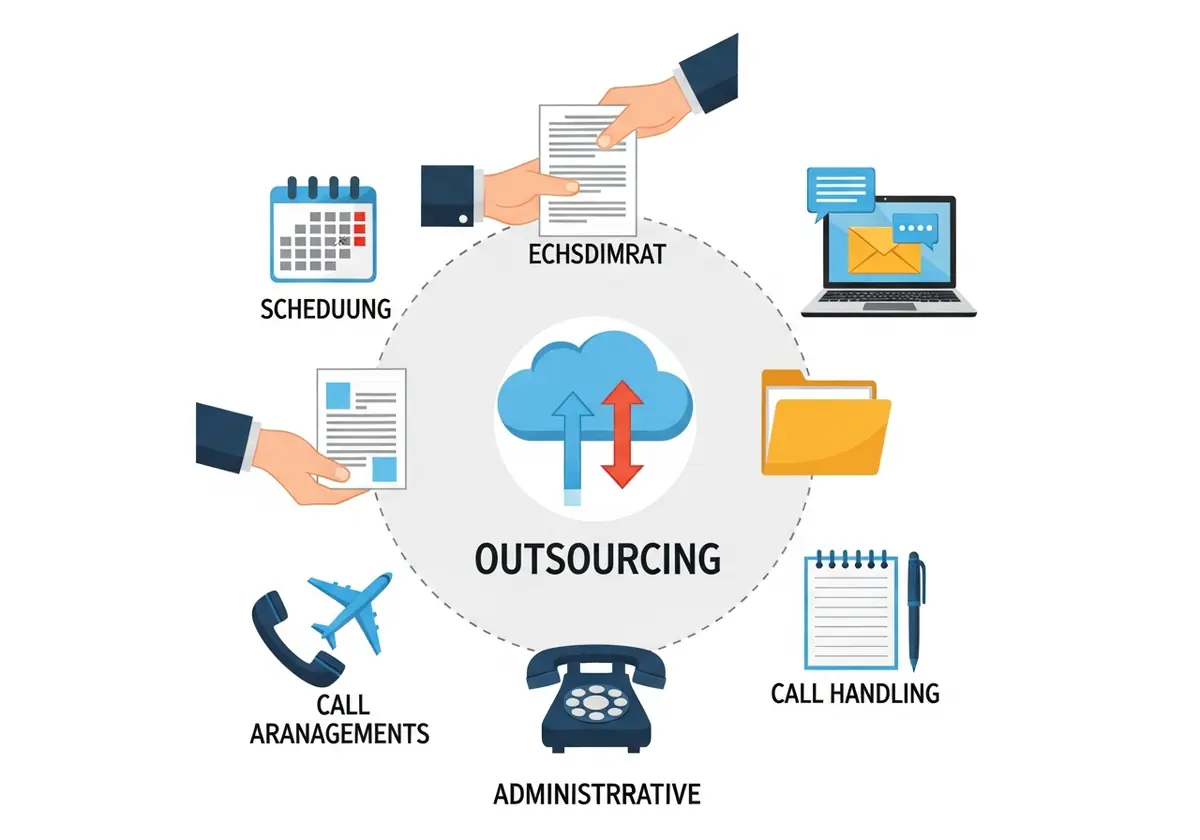
Whether you’re exploring the benefits of outsourcing or comparing virtual assistant pricing, businesses are discovering time-saving solutions with services like Stealth Agents.
From managing schedules and handling communications to streamlining administrative tasks, an executive assistant puts you back in control.
Virtual executive assistants deliver flexible, high-quality support tailored to meet your business goals while saving costs.
With options like Stealth Agents, you can access trained professionals ready to tackle time-consuming tasks head-on.
Read on to uncover everything you need to know and take the first steps toward smarter business support.
What Personality Is An Executive Assistant?
An executive assistant thrives on being organized, resourceful, and proactive, making them an indispensable part of any business.
Being naturally detail-oriented, they excel in managing schedules, emails, and daily tasks, ensuring nothing is overlooked.
Their strong communication skills allow them to connect seamlessly with teams, clients, and stakeholders, ensuring that every interaction reflects professionalism and care.
Problem-solving is second nature to them; they anticipate challenges and find solutions before issues arise, keeping everything running smoothly.
They are also adaptable, staying calm under pressure and adjusting quickly to new priorities, which makes them invaluable during busy or unexpected times.
Above all, they bring reliability and trust to the table, allowing business owners to focus on growth while leaving the details in capable hands.
List Of Services Offered By An Executive Assistants
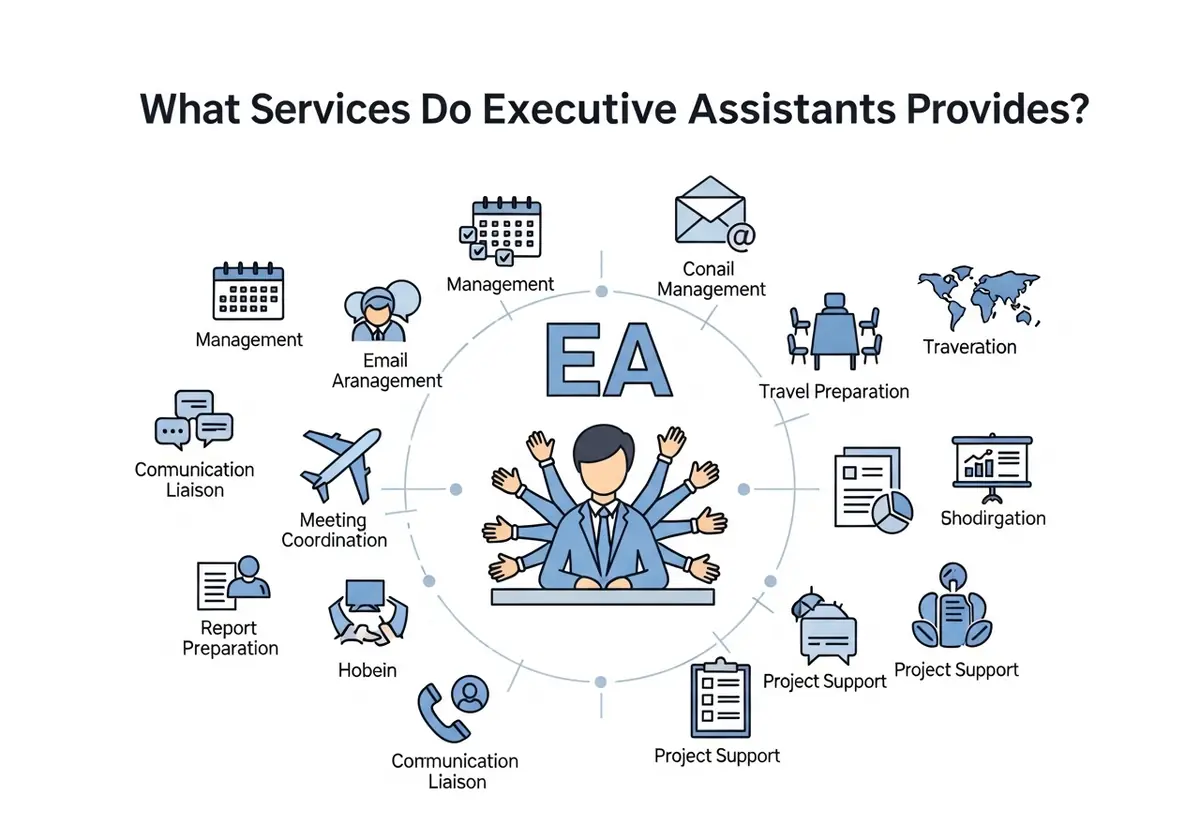
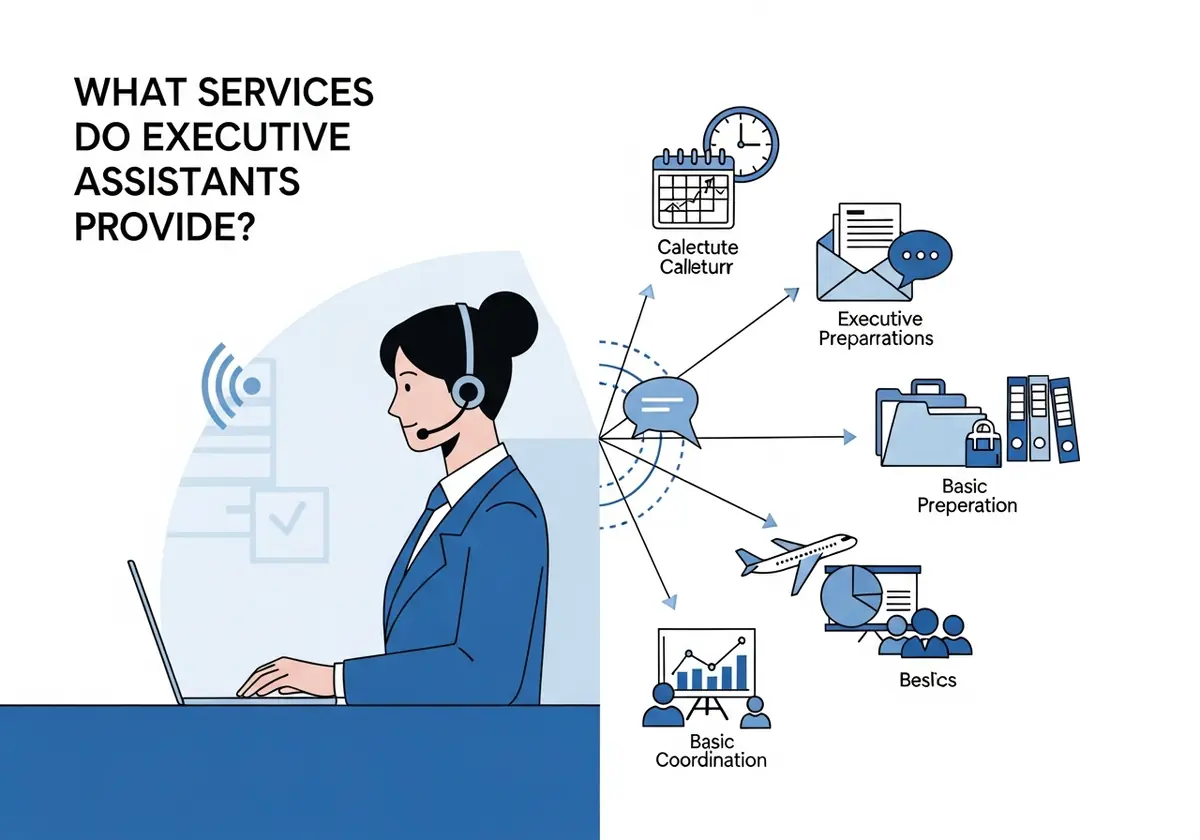
1. Calendar and Schedule Management
Keeping your schedule on track can be overwhelming, especially when you’re juggling meetings, deadlines, and personal commitments.
Executive assistants take over by organizing your calendar, scheduling appointments, and ensuring there are no time conflicts.
They’ll remind you of upcoming commitments and even help prioritize tasks based on importance.
With their help, you can say goodbye to missed meetings or double bookings.
They also build in buffer time to ensure your day isn’t packed too tightly.
These professionals often anticipate scheduling challenges and fix them before they cause problems.
If you look through the 50 best virtual executive assistants available online, you’ll quickly notice just how much this kind of support improves daily productivity.
2. Email Management
If your inbox feels like an endless flood of unread messages, an executive assistant can bring order to the chaos.
They’ll sort through your emails, respond to routine inquiries, and highlight important correspondence that needs your attention.
This frees up hours of your time each week while ensuring nothing critical slips through the cracks.
They can also create organized folders and filters to make important information easier to find later.
Clearing out cluttered communication means you’ll always stay on top of what matters most.
Some companies now use AI tools for executive assistants, which help sort and organize high volumes of email, making the whole process even more effective.
By managing email efficiently, your assistant ensures you remain responsive and professional. It’s an underrated but critical area where they can offer support.
3. Travel Arrangements
Traveling for business takes time to plan flights, hotels, transportation it all adds up.
Executive assistants take charge of booking your trips, covering every detail from selecting the most convenient flights to arranging car rentals.
They compare options to save money while prioritizing comfort and reliability. Additionally, they create comprehensive itineraries, so you always know where to be and when.
If plans suddenly change, they adjust reservations without you needing to stress.
With travel logistics handled, you can focus on preparing for your meetings or events rather than worrying about the details.
It’s even possible to access a senior level executive assistant on demand if you have unique travel needs and want quick, expert help every step of the way.
4. Document Preparation and Management
Creating, editing, and organizing documents is a time-consuming task, but executive assistants handle it like pros.
Whether it’s drafting reports, writing meeting agendas, or preparing presentation slides, they do it all with attention to detail.
They’ll troubleshoot formatting issues, proofread for errors, and ensure documents are delivered on time.
Additionally, they maintain organized filing systems both digital and physical for easy access to important information.
These efficient processes prevent you from scrambling to find that one file you need urgently.
Their ability to handle documentation leaves you with polished, professional results. If you’re working with a recruitment agency for executive assistants, you’ll find candidates who excel in these tasks.
5. Meeting Coordination
Planning meetings might seem straightforward, but they often involve countless moving parts.
Executive assistants take care of scheduling, sending out invitations, and booking meeting rooms or virtual platforms.
They follow up to confirm attendees and even prepare agendas to keep discussions focused and productive.
If notes or follow-up tasks are needed after the meeting, they’ll ensure everything is organized and shared promptly.
They’ll also troubleshoot technical issues if it’s a virtual meeting, ensuring a smooth experience.
By managing these details, your meetings become more efficient and productive. Their support ensures better communication and fewer complications for your team.
6. Vendor and Client Communication
Whether it’s following up with a vendor or responding to client questions, executive assistants can handle these day-to-day communications seamlessly.
They act as a point of contact, ensuring that all interactions remain professional and timely.
This helps build stronger relationships with both new and long-term partners or clients.
They also coordinate with vendors for orders, invoices, or resolving issues.
By managing these external communications, they free up your time to focus on fostering big-picture relationships.
Their polite and efficient communication keeps everything running more smoothly. If you’re hiring executive assistants, this is one of the key skills to look for.
7. Expense Tracking and Budgeting
Handling finances can feel like a full-time job, especially if you’re frequently making purchases or approving expenses.
Executive assistants help by tracking business expenses, organizing receipts, and preparing expense reports.
They ensure everything is recorded accurately and help identify areas where costs could be reduced or optimized.
By setting up systems to monitor spending, they help keep your budget on track without you needing to micromanage.
They may also assist with paying invoices or reconciling accounts, ensuring deadlines are never missed.
These small financial tasks can otherwise eat up a big portion of your time. By simplifying expense management, they give you peace of mind.
8. Event Planning and Coordination
From corporate dinners to team-building events, planning these can be a major undertaking.
Executive assistants excel at organizing events by handling everything from securing venues to arranging catering and coordinating RSVPs.
They also oversee the little details, like creating schedules or ensuring tech equipment is ready.
Having someone else manage the logistics means you can focus on enjoying the event and networking with attendees.
If unexpected issues arise, they step in to make quick fixes without disrupting your day.
Their thorough attention to detail ensures every event runs smoothly, leaving a positive impression on attendees.
This service is a game-changer when it comes to reducing your workload.
9. Research Assistance
Whether you need market trends, competitor analysis, or supplier options, executive assistants are skilled at gathering relevant information.
They’ll conduct thorough research tailored to your business needs and compile it into clear, actionable insights.
This saves you from sifting through endless reports, articles, or data on your own.
They also verify their information to ensure its accuracy, so you can trust their findings.
With research taken care of, you can base decisions on reliable facts instead of spending hours doing the legwork yourself.
Their ability to find valuable data helps you stay informed and ahead in your industry.
10. Personal Support Services
Many executive assistants go beyond business tasks by helping with personal errands like scheduling medical appointments or handling home repair services.
Balancing work and personal obligations isn’t easy, but having someone to coordinate both allows you to focus better.
They’ll organize tasks while respecting boundaries, ensuring you’re not overwhelmed.
By combining business support with personal assistance, they truly feel like a partner in your daily life.
This all-encompassing support is one of the many reasons business owners find executive assistants so indispensable.
How To Hire A Good Executive Assistant?
1. Define the Role Clearly
Start by listing everything you need from an executive assistant.
This includes tasks like managing your calendar, organizing travel, answering emails, preparing reports, or handling client communications.
Writing a detailed job description will not only help you figure out what you’re looking for but will also attract the right candidates.
Be as specific as possible with the job requirements so applicants can easily determine whether they’re a good fit.
Don’t forget to include both soft skills like organization and attention to detail and technical skills like familiarity with scheduling tools.
When you know exactly what you need, it’s easier to spot the best candidates.
2. Look for Strong Organizational Skills
A good executive assistant is someone who is great at keeping things on track.
They should have a proven ability to manage time, organize tasks, and stay on top of deadlines.
Ask candidates about a time when they juggled multiple responsibilities to gauge how they handle pressure.
Look for someone who can think ahead and stay proactive, ensuring nothing slips through the cracks.
Strong organization is a must because you’ll rely on them to keep your daily business operations running smoothly.
To test this, consider giving them a small task, like organizing a mock calendar, during the interview process.
3. Prioritize Communication Abilities
Communication is key for any executive assistant because they represent you to clients, team members, and external contacts.
An assistant should be able to craft professional emails, handle sensitive information with care, and be comfortable speaking with a wide variety of people.
Ask interview questions that assess their written and verbal communication skills.
Examples might include how they would handle an unclear instruction or respond to a demanding client.
A good candidate will speak and write clearly, professionally, and with confidence.
Great communication also allows them to keep you informed and ensure everyone stays in the loop.
4. Assess Problem-Solving and Initiative
Executive assistants often handle challenges and unexpected issues without waiting for instructions.
They need to think quickly, adapt to new situations, and act with confidence.
A great assistant will take initiative by solving problems before they even reach you.
For example, if a conflict arises with your schedule, they should have a solution ready before alerting you.
Ask candidates to share examples of times when they resolved issues independently or improved a process in a previous role.
You want someone who instinctively knows how to keep things moving, even on tough days.
5. Find Someone Tech-Savvy
Most executive assistants today rely heavily on technology to stay organized.
Standard tools like email platforms, project management software, and shared calendars like Google Calendar are often necessary for the role.
Your assistant should also be comfortable learning new tools specific to your industry or business operations.
During the interview, ask about the tech tools they’ve used before and how they’ve applied them to their previous roles.
Being tech-savvy can speed up workflows and improve efficiency in your operations.
Plus, familiarity with tech tools ensures they can integrate quickly into your business processes.
6. Check for Compatibility and Trust
Hiring someone to support you at a high level means trust is essential.
Your executive assistant will likely have access to sensitive information like budgets, contracts, or client details.
It’s important to hire someone whose values align with yours and who you feel comfortable relying on.
During interviews, pay attention to their professionalism, reliability, and reactions to hypothetical situations.
Compatibility is just as important your working relationship should feel seamless, and they should complement your style of communication and leadership.
Trust builds over time, but starting with the right foundation is key.
7. Consider Part-Time vs. Full-Time
If hiring a full-time executive assistant isn’t feasible immediately, a part-time assistant can still make a big impact.
Many qualified assistants work remotely or offer their services on a flexible basis, which can lower costs for smaller businesses.
This is especially helpful if your needs are primarily administrative like scheduling and basic email management.
However, if your role requires hands-on, daily support, a full-time hire may be more appropriate.
Consider the workload and budget to decide how much support you truly need.
Thinking this through will help you make informed decisions that benefit your business.
8. Simplify Your Search with the Right Tools
Using the right hiring channels makes finding the perfect executive assistant much easier.
Professional networks like LinkedIn, job boards, and staffing agencies are great places to start.
Look out for candidates with glowing recommendations from previous employers.
Many business owners also turn to virtual assistant platforms that specialize in matching businesses with pre-screened executive assistants.
Don’t be afraid to ask for help during the hiring process third-party platforms often handle recruiting, so you only meet the most qualified candidates.
9. Conduct Meaningful Interviews
When you’ve shortlisted candidates, go beyond surface-level questions to get a real sense of who they are.
Ask situational or behavioral questions to see how they react to real-world challenges.
For instance, “Can you tell me about a time you managed a demanding schedule?” or “How do you prioritize conflicting deadlines?” Look for confident, thoughtful answers that give insight into their experience.
If possible, supplement interviews with small tests, like scheduling a mock itinerary.
Interviews are your chance to determine how well each candidate will support your business needs and goals.
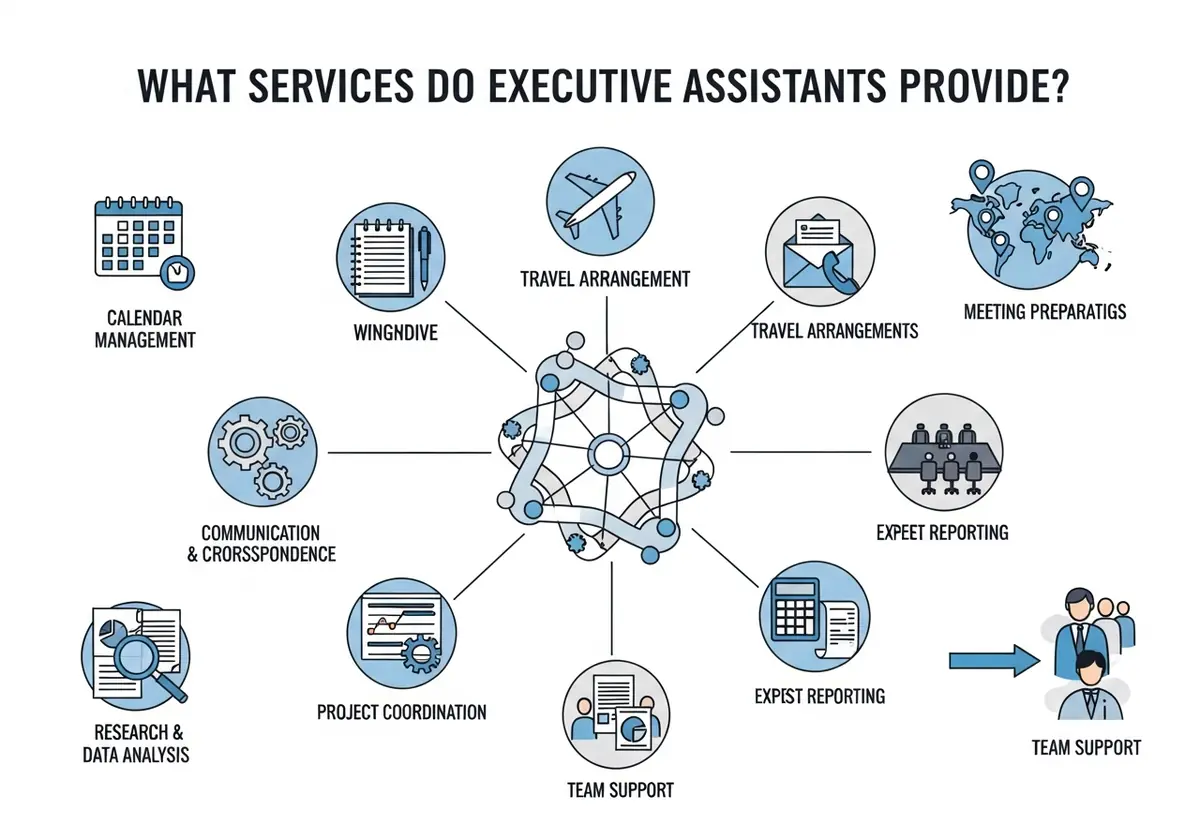
10. Understand What Services Executive Assistants Provide
Many business owners wonder, what services do executive assistants provide, and the answer might surprise you.
Yes, they handle traditional tasks like scheduling, organizing meetings, and preparing reports.
But many modern executive assistants also provide more strategic support, like conducting research, overseeing small projects, and even managing portions of your team.
They’re often the glue that holds everything together, helping you focus on the bigger picture.
11. Building Trust and Easing Into Delegation
Getting started with a remote executive assistant for the first time can bring up plenty of questions how do you build trust, where do you begin, and how much should you delegate? These are common concerns for anyone new to this kind of partnership. It helps to know you’re not alone as you navigate this process. If you have an onboarding or support contact, don’t hesitate to lean on them for guidance as your needs evolve.
Take a personalized approach right from the start: share your expectations, communicate openly, and invite questions. Over time, and with consistent communication, you’ll find that trust grows naturally. And remember, you don’t have to figure everything out on your own. Whether it’s clarifying roles or smoothing out early miscommunications, having someone to touch base with be it a manager, mentor, or even a peer who’s been through this before can make all the difference.
How Much Does It Cost To Hire An Executive Assistant?
The cost of hiring an executive assistant depends on their experience, location, and whether you want them onsite or working remotely.
Full-time executive assistants typically earn between $50,000 and $90,000 per year, while freelance or virtual assistants often charge an hourly rate of $20 to $50.
If you’re considering the expense, it’s important to think about what services executive assistants provide, such as managing emails, scheduling meetings, and keeping important records organized.
They can also handle research, coordinate events, book travel, and even assist with customer communications, saving you valuable time and reducing stress.
Many business owners find these benefits far outweigh the cost, as it allows them to focus on growing and improving their business.
To save on expenses, you can start with a part-time assistant or hire virtually, depending on your specific needs.
Ultimately, having the right executive assistant can free up your time, making it easier for you to focus on bigger goals for your business.
How Do Stealth Agents Help Hire Executive Assistants?
Stealth Agents makes hiring an executive assistant simple and stress-free by finding candidates that match your unique business needs.
They carefully screen and select professionals who can handle tasks such as scheduling, managing emails, and coordinating travel, which are all parts of what executive assistants provide.
By using their expertise, Stealth Agents saves you valuable time that you’d otherwise spend reviewing resumes and conducting interviews.
Their team ensures that the assistants they recommend have the right skills, whether you need help with research, event planning, or customer communication.
Additionally, their streamlined process connects you with qualified candidates quickly, so you can focus on running your business.
Many business owners feel confident working with Stealth Agents because they understand how critical the right executive assistant is for productivity.
They simplify hiring, letting you focus on what matters most: growing your business.
Why Choose Stealth Agents?
- Forbes-Recognized as a Top 2 Virtual Assistant Agency
Stealth Agents is recognized by Forbes for delivering exceptional virtual staffing solutions tailored to executive needs.
- 10–15+ Years of Executive-Level Experience
Their assistants aren’t entry-level. They bring a decade or more of real-world experience supporting CEOs, founders, and C-suite leaders.
- Dedicated Account Manager
Every client is paired with a dedicated manager to oversee onboarding, performance, and alignment with your executive workflow.
- Philippines-Based, USA-Aligned Talent
Their assistants work within U.S. time zones and understand American business culture ensuring seamless communication and productivity.
- Industry-Specific Matching
Whether you’re in finance, healthcare, tech, or real estate, you’re matched with an assistant who understands your sector’s pace and priorities.
- Secure Cloud-Based Platform
Your sensitive data, files, and communications are protected via a proprietary cloud platform designed for executive-level confidentiality.
- Flexible, Scalable Service Model
Need more support during a launch or fundraising cycle? Stealth Agents can scale with your needs, offering both part-time and full-time coverage.
- Cost-Effective Without Sacrificing Quality
You get premium executive support at a fraction of the cost of hiring in-house perfect for startups, growing teams, and lean operations.
Takeaways
Executive assistants provide vital services that make running a business smoother and more efficient.
They handle scheduling, ensuring meetings, deadlines, and appointments are perfectly timed so nothing important is missed.
These professionals also manage email and communication, organizing inboxes, prioritizing messages, and promptly responding to them.
Many executive assistants manage travel plans, from booking flights and hotels to creating detailed itineraries.
They also help with research and preparing reports, saving business owners valuable time on tasks that require precision and detail.
Some even assist with personal tasks, such as organizing events or managing calendars at home, which gives more balance to work and life.
If you need help finding or hiring a skilled executive assistant to support your business, Stealth Agents can assist in connecting you with the right fit.
Frequently Asked Questions
What is the difference between an executive assistant and a virtual assistant?
Executive assistants (EAs) and virtual assistants (VAs) differ mainly in their level of experience and the types of tasks they handle.
- Executive Assistants typically have over 10 years of experience and support senior-level executives. They manage complex responsibilities like overseeing major projects, handling confidential information, preparing financial reports, and participating in high-level decision-making.
- Virtual Assistants generally focus on administrative tasks such as scheduling meetings, managing emails, and performing data entry.
How do executive assistants handle confidential information and data security?
Executive assistants sign agreements to keep information private and follow strict rules to protect data. They use secure tools for communication and file sharing, password-protect sensitive files, and keep separate workspaces for each client. Agencies often provide extra security measures like monitoring and encrypted systems.
What industries benefit most from executive assistant services?
Industries like healthcare, legal, finance, real estate, and tech startups benefit a lot. These fields often need help with complex tasks, compliance, and managing busy schedules. Consulting firms, investment companies, and C-suite executives in any industry also rely on executive assistants for handling important communications and managing multiple time zones.
Can executive assistants work across different time zones effectively?
Yes, executive assistants are skilled at working across time zones. They use tools that adjust schedules automatically and are aware of international business hours. Many assistants, like those based in the Philippines, can work during US business hours or other time zones to meet client needs.
What software and tools do executive assistants typically use?
They use tools like Salesforce and HubSpot (CRMs), Asana and Monday.com (project management), Calendly and Acuity (scheduling), Slack and Microsoft Teams (communication), and Google Drive or Dropbox (cloud storage). They’re also good with Excel, presentation software, and tools for managing expenses like Expensify.
How quickly can executive assistants start providing services after hiring?
Most agencies can match you with an assistant in 5-10 business days. This includes talking about your needs (1-3 days), finding the right assistant (3-7 days), and final checks (1-2 days). Some agencies have pre-screened assistants ready to start quickly, but specialized roles may take a bit longer.
What are the tax implications of hiring executive assistants as contractors vs employees?
If you hire them as contractors, you don’t need to pay payroll taxes or provide benefits. You’ll need to issue a 1099 form if you pay them over $600 a year. If they’re employees, you’ll need to handle payroll taxes, benefits, and workers’ compensation. Talk to a tax expert to make sure you follow the rules.
Do executive assistants require specific certifications or training?
While not required, some executive assistants have certifications like Certified Administrative Professional (CAP) or Microsoft Office Specialist. Training in areas like medical terms, legal work, or finance can be helpful. The most important thing is their experience with executive tasks, software skills, and strong communication abilities.
What happens if an executive assistant becomes unavailable or needs to be replaced?
Agencies usually offer free replacements and backup support. They keep detailed notes about your preferences and tasks to make transitions smooth. Replacements are often provided within 24-48 hours, and some agencies offer temporary help during the switch. Independent assistants may have their own backup plans or referrals.
How do executive assistants measure their performance and ROI for businesses?
They track how many tasks they complete, how quickly they respond, and how well they manage schedules. ROI is measured by comparing the time they save you (your hourly rate times hours saved) to their cost. They may also track specific results like meetings scheduled or projects finished on time, and some provide monthly reports to show their value.