Updated Apr 9, 2026
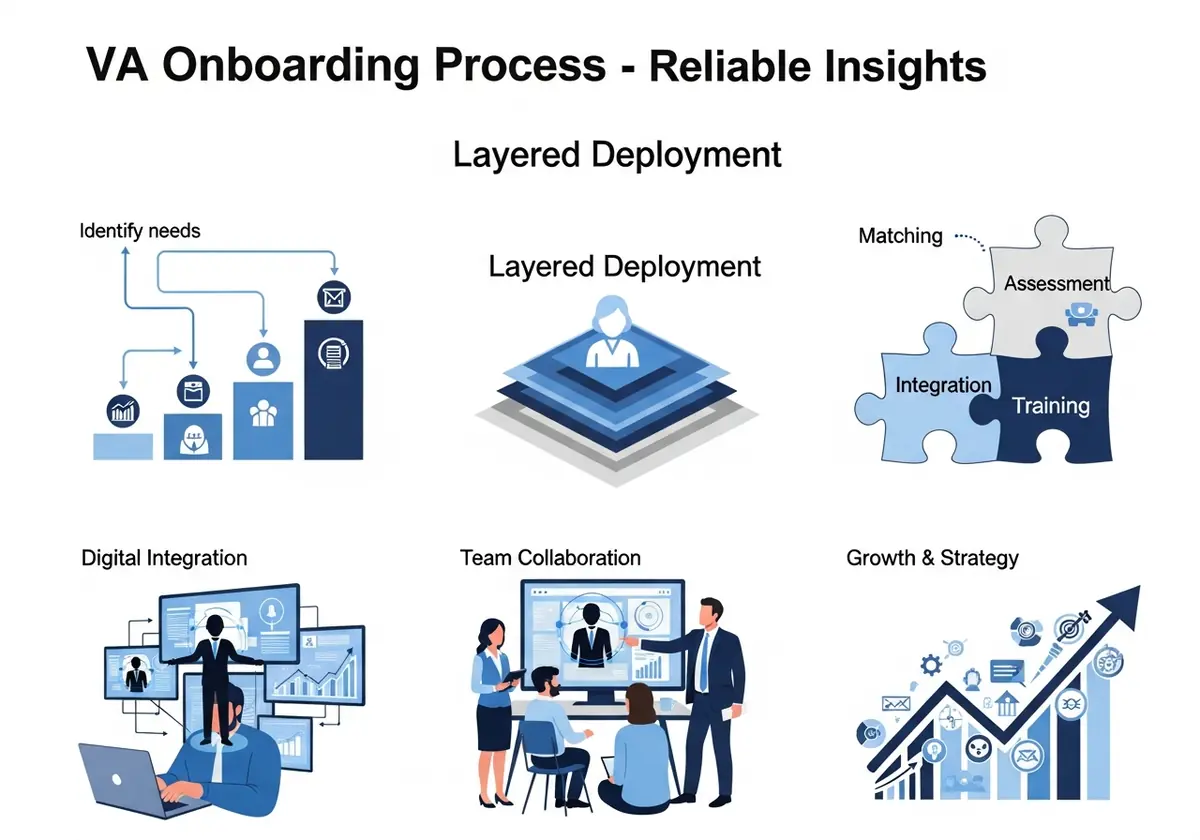
VA Onboarding Process is a practical solution for businesses that want to scale without adding overhead.
Companies with structured VA onboarding see 35% faster team integration and productivity gains.
This guide breaks down everything you need to know about setting up the perfect onboarding system.
Quick Overview: VA Onboarding Process
| Factor | Details |
|---|---|
| Monthly Investment | $1,600/month (full-time, dedicated) |
| In-House Equivalent Cost | General Admin salary + benefits = $54,600/year |
| Your Annual Savings | $35,400 back in your business |
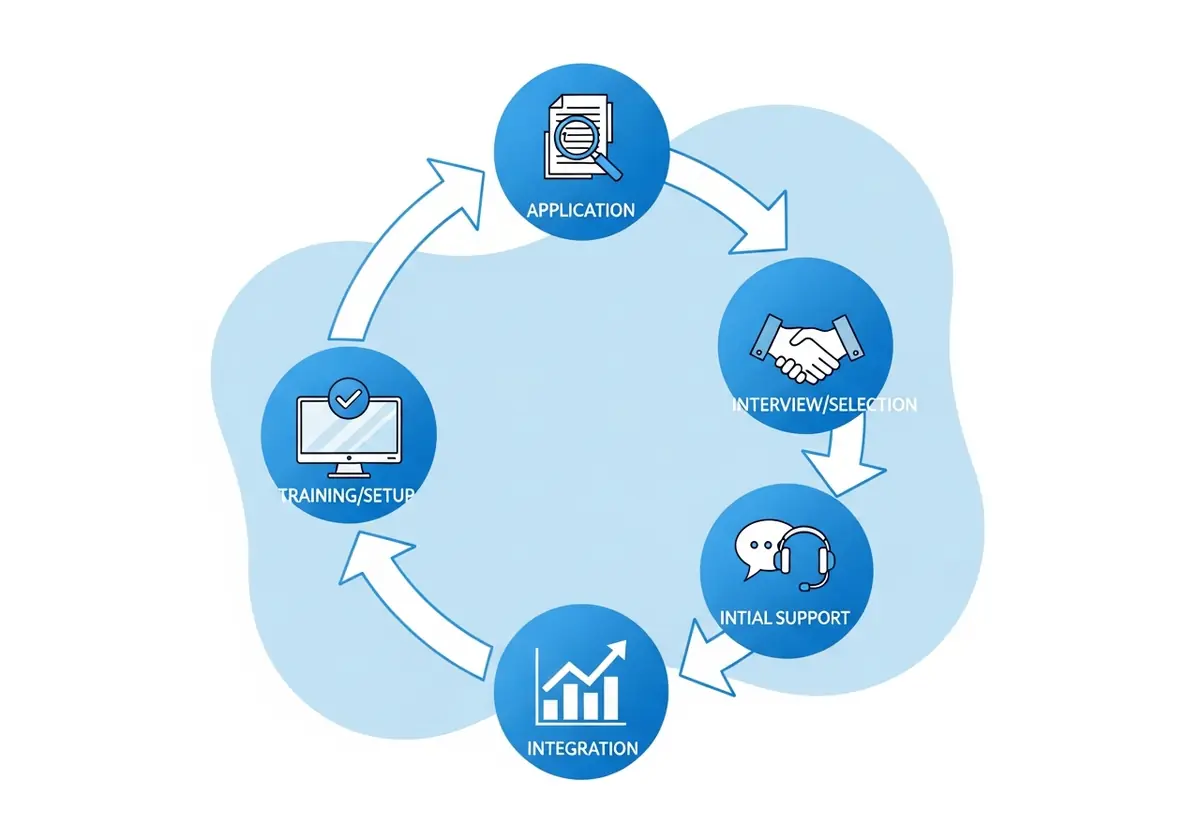
| Setup Time | 24-48 hours with guided process |
| Training Period | 5-7 days to full productivity |
| Success Rate | 95% client satisfaction after onboarding |
| Backup Coverage | Included at no extra cost |
A well-planned onboarding process turns new VAs into productive team members fast.
The Hidden Cost Of Poor VA Integration
Bad onboarding wastes time and money for everyone involved.
Business owners spend 18 hours per week fixing VA mistakes when there is no clear process.
Companies lose $12,000 in the first month alone when VAs are not set up for success.
Without proper onboarding, 73% of VAs quit within their first 30 days.
Tasks Your Virtual Assistant Onboarding Should Cover
| Category | Specific Tasks | Time To Master |
|---|---|---|
| Admin Support | Email management, calendar booking, data entry | 2-3 days |
| Communication | Phone calls, client follow-ups, appointment setting | 3-4 days |
| Research Tasks | Lead generation, market research, competitor analysis | 4-5 days |
| Social Media | Content posting, engagement, basic graphics | 3-4 days |
| Customer Service | Live chat, ticket management, order processing | 4-5 days |
| Bookkeeping | Invoice creation, expense tracking, basic reporting | 5-7 days |
Good onboarding covers all tasks your VA will handle daily.
This prevents confusion and gets results faster.
Your VA learns your way of doing things from day one.
💡
Did You Know?
VAs with structured onboarding are 4x more likely to stay with their clients for over a year compared to those who start without clear training.
The True Cost Comparison
| Expense | In-House Admin | Stealth Agents VA |
|---|---|---|
| Base Salary | $42,000 | $19,200 |
| Benefits & Taxes | $12,600 | $0 |
| Office Space & Equipment | $4,000 | $0 |
| Training & Onboarding | $2,500 | Included |
| Total Annual Cost | $61,100 | $19,200 |
| Backup Coverage | None | Included |
| Management Support | You handle | Campaign Manager helps |
You save over $40,000 per year with a properly onboarded VA.
That money stays in your business to fuel growth.
How A VA Integration Process Transforms Your Business
The right onboarding process changes everything about working with VAs.
Your new assistant becomes productive in days instead of weeks.
You get consistent results because they know exactly what you expect.
Here are the key benefits you will see:
-
Faster time to productivity and results
-
Clear communication from day one
-
Fewer mistakes and revisions needed
-
Better understanding of your business goals
-
Stronger working relationship built on trust
-
Reduced stress for both you and your VA
A Day In The Life Of Your Onboarded Virtual Assistant
Morning starts with checking your priority inbox and calendar.
Your VA knows which emails need immediate attention and which can wait.
Afternoon focus shifts to your main projects like lead research or customer follow-ups.
Everything gets done using the systems and tools you showed them during onboarding.
💡
VA Onboarding Process Pro Tip
Create simple video tutorials for each major task during onboarding. Your VA can watch them again anytime they need a refresher.
What Makes A Great Virtual Assistant Integration
Great onboarding covers three main areas completely.
First is your business overview including goals, values, and main customers.
Second covers all tools, logins, and systems your VA will use daily.
Third includes clear expectations for communication, deadlines, and quality standards.
Keys To Success With Your Virtual Assistant Setup
| Success Factor | How To Implement | Expected Results |
|---|---|---|
| Clear Documentation | Written guides for all tasks | 90% fewer questions after week one |
| Regular Check-ins | Daily calls first week, then weekly | Issues caught and fixed quickly |
| Goal Setting | Specific targets for first 30 days | Measurable progress tracking |
| Feedback System | Weekly reviews and coaching | Continuous improvement |
| Tool Training | Hands-on practice with all software | Confident independent work |
Following these steps leads to VA success every time.
Your assistant feels supported and confident from the start.
Industries We Support With VA Training
Real estate agents use VAs for lead follow-up and listing management.
E-commerce stores need help with customer service and order processing.
Law firms rely on VAs for client intake and document preparation.
Marketing agencies use VAs for research, reporting, and client communication.
Common Mistakes To Avoid During Onboarding
Many business owners skip the goal-setting part of onboarding.
Others give access to everything at once instead of gradually introducing tools.
Some forget to schedule regular check-ins during the first month.
The biggest mistake is not having written procedures for your VA to follow.
The Stealth Agents Difference In VA Setup
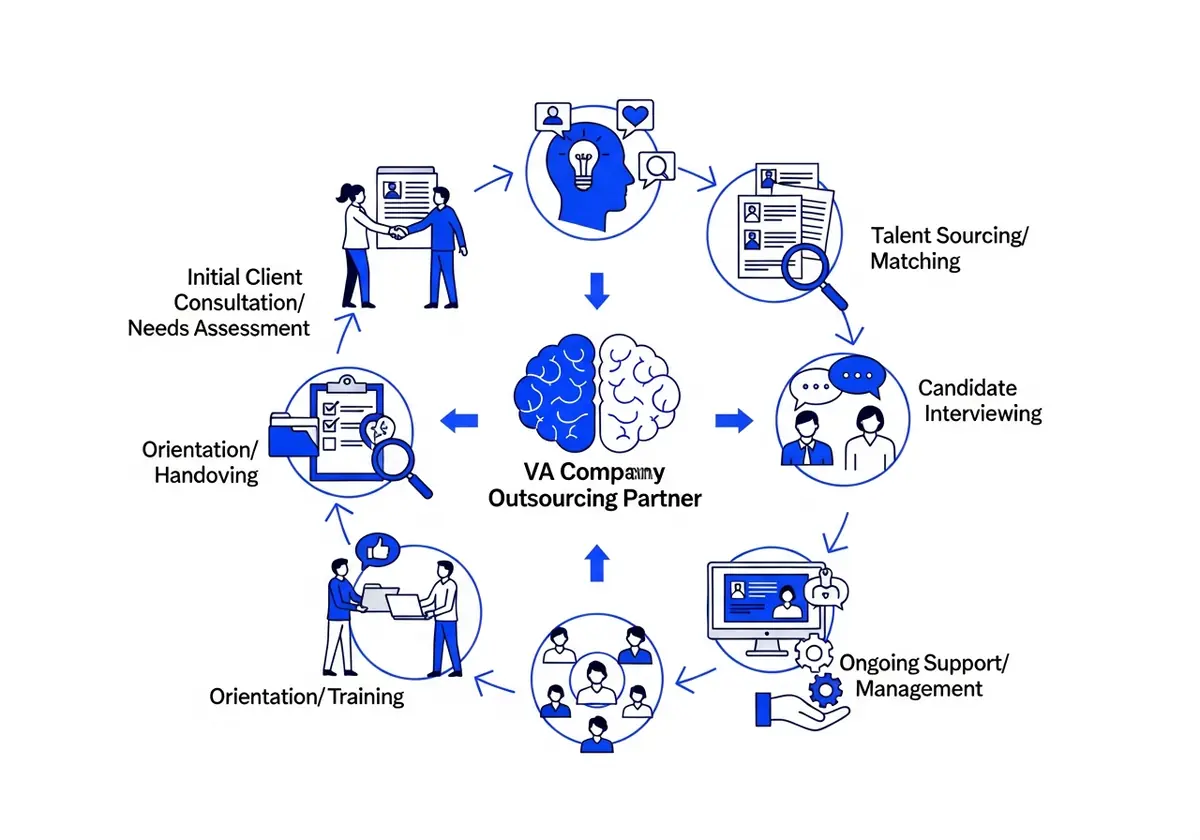
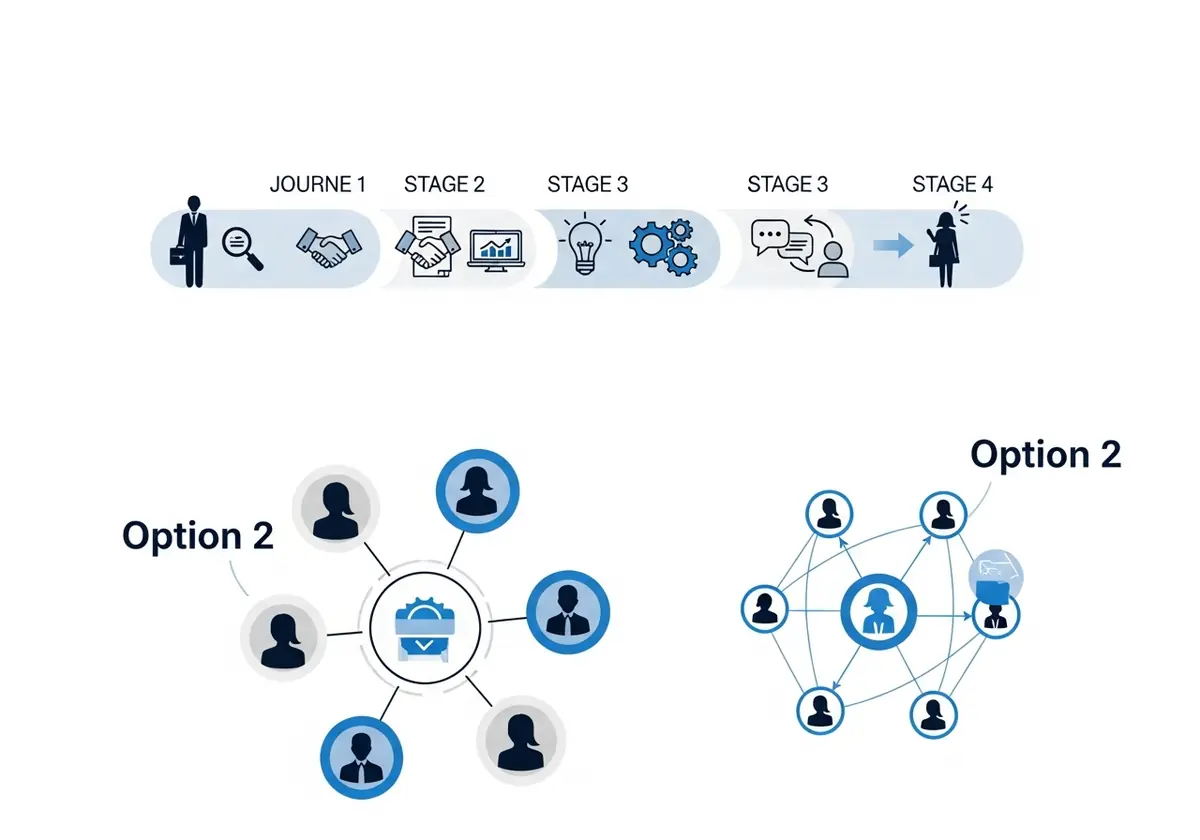
We handle the technical setup while you focus on training your specific tasks.
Our Campaign Managers guide both you and your VA through the whole process.
You get backup support built in so work never stops if someone is sick.
We match you with VAs who already have experience in your industry.
Common Questions About Virtual Assistant Onboarding
How Long Does The Onboarding Process Take?
Most VAs are fully productive within 5-7 business days.
The first week focuses on learning your systems and basic tasks.
What If My VA Does Not Understand Something?
Our Campaign Managers help solve any communication issues quickly.
We also provide backup VAs who can step in if needed.
Can I Change Tasks After Onboarding Is Complete?
Yes, your VA can learn new tasks as your business grows.
We help train them on additional skills at no extra cost.
What Happens If The First VA Is Not A Good Fit?
We replace them within 48 hours with someone better matched.
The new VA gets all the same onboarding materials so nothing is lost.
🎯
Key Takeaway
A structured VA onboarding process is the difference between struggling with delegation and having a productive team member who understands your business inside and out.
Ready To Build Your Perfect VA Team?
The right onboarding process sets up both you and your VA for long-term success.
Companies save over 20 hours per week when their VAs are properly trained from day one.
Contact Stealth Agents today to learn how we make VA onboarding simple and effective for your business.