
Updated Jan 28, 2026
The demand for Pay Remote Workers has grown steadily as companies look for smarter ways to operate.
Paying remote workers isn’t as simple as hitting “send” on a paycheck. With teams spread across multiple countries, companies face challenges that traditional payroll systems weren’t built to handle.
** From currency conversion fees and tax compliance to delayed payments and inconsistent reporting, the risk of mistakes, and frustrated employees, is real.**
Consider this: over 76% of companies now employ remote workers, yet many still struggle to pay them efficiently and on time.
Delayed or incorrect payments don’t just hurt morale, they can also impact productivity, retention, and even your global reputation.
The good news? There’s a smarter way to pay your remote team that keeps your employees happy, your business compliant, and your finances under control.
With Stealth Agents, we’ll break down the challenges, explore modern solutions, and show you how to streamline remote payroll so you can focus on growing your business, not chasing invoices.
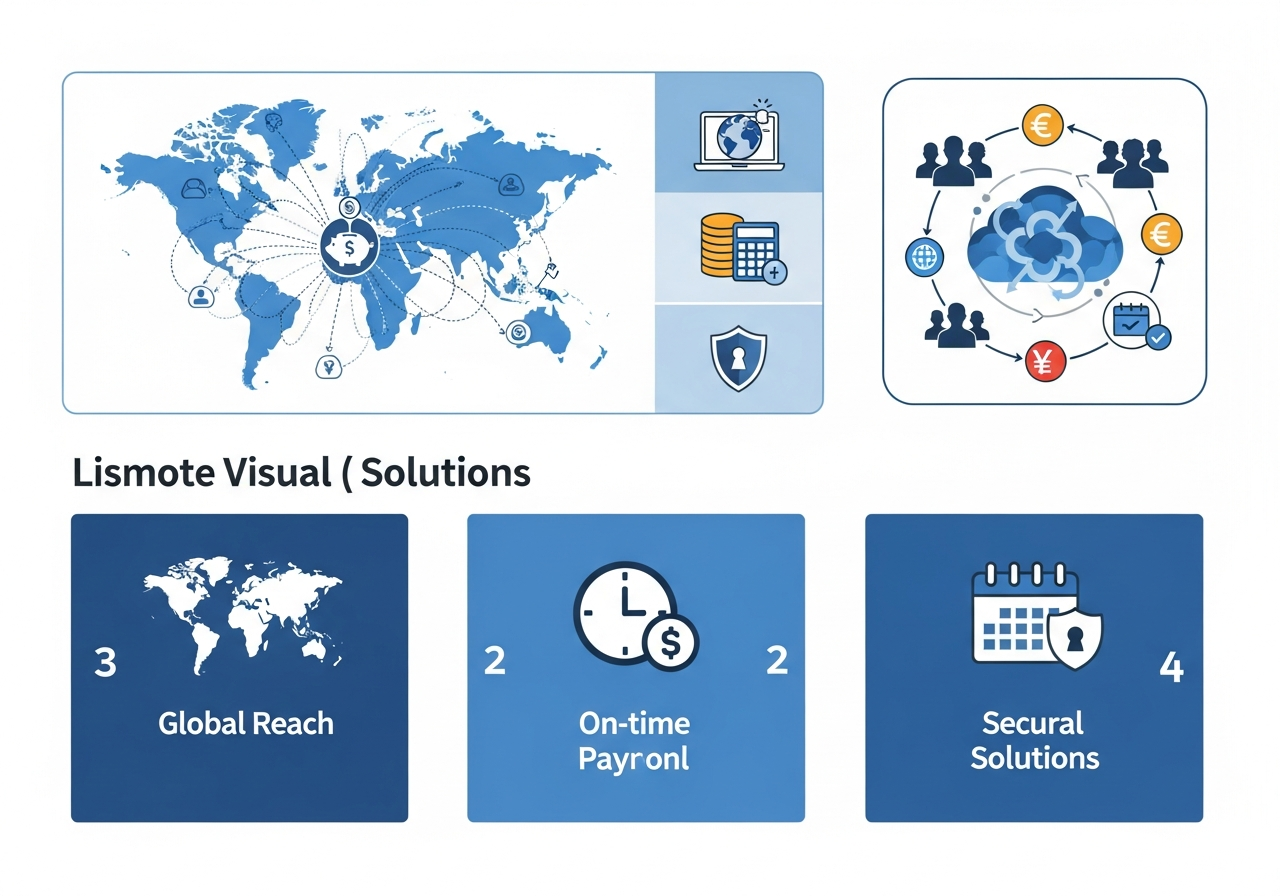
Common Pay Remote Workers Challenges
Currency conversion and transfer fees: Paying a remote employee in their local currency can come with hidden fees that add up over time, cutting into your budget or reducing the employee’s take-home pay.
Complex tax compliance: Every country has different rules for income tax, social security, and labor contributions. Missing deadlines or miscalculating amounts can lead to penalties or legal issues.
Delayed payments: Manual payroll processes or slow international transfers can result in late payments, which frustrate employees and can impact team morale.
Administrative overload: Managing multiple payment methods, tracking invoices, and reconciling accounts eats up hours of your finance team’s time.
Why Many Companies Haven’t Solved It Yet
Fear of compliance mistakes: Navigating tax laws, labor regulations, and reporting requirements across multiple countries can feel overwhelming. Companies worry that a misstep could lead to fines or legal trouble.
Limited knowledge of global payroll tools: Many organizations are unfamiliar with modern platforms that automate international payments, so they stick with manual or outdated methods.
Perceived high costs: Some assume that paying remote teams efficiently will be expensive, especially if they consider hiring local payroll experts or handling transfers manually.
Trust issues with third-party providers: Outsourcing payroll to external platforms or agencies can feel risky if companies aren’t sure about reliability, data security, or employee satisfaction.
The Alternative: Modern Solutions for Paying Remote Workers
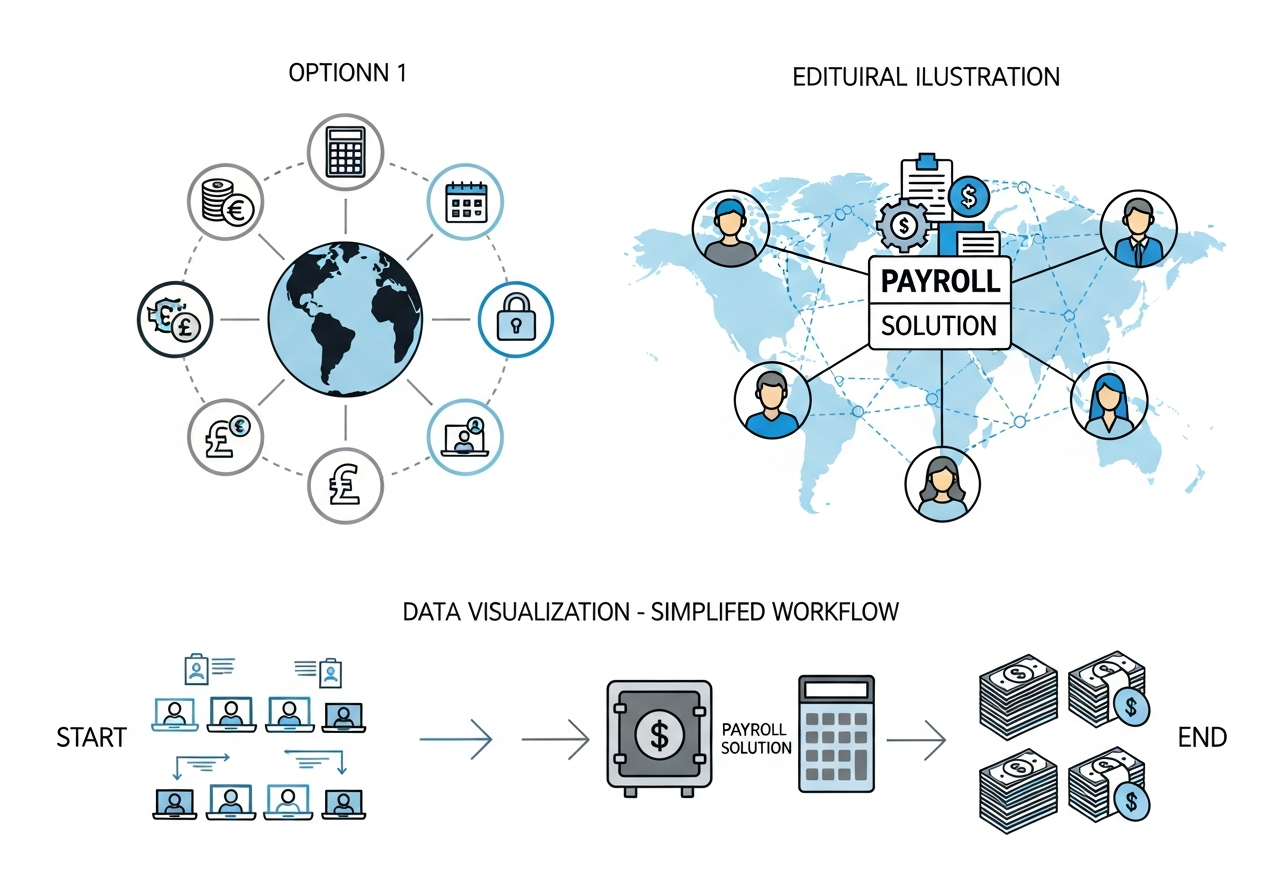
Automated multi-currency payments: Pay your remote workers in their local currency without incurring excessive conversion fees.
Built-in tax and compliance management: Platforms handle international tax reporting and labor regulations automatically, reducing legal risk.
Faster, reliable transfers: Employees receive their pay on schedule, improving morale and trust in your organization.
Centralized payroll management: Track all employees, payments, and reporting in a single platform, freeing up your finance team to focus on strategic tasks rather than administrative work.
10 Benefits of Paying Remote Workers Efficiently
✔️On-time payments: Employees receive their salaries on schedule, reducing frustration and improving morale.
✔️Global compliance: Automatic adherence to local tax laws, labor regulations, and reporting requirements.
✔️Cost savings: Lower currency conversion fees, fewer manual errors, and reduced administrative overhead.
✔️Centralized payroll management: Track all employees, payments, and reports in one platform.
✔️Improved productivity: Employees focus on their work, not chasing late or incorrect payments.
✔️Higher retention rates: Accurate and reliable payroll increases employee loyalty and reduces turnover.
✔️Scalability: Easily pay new remote hires in multiple countries without additional manual processes.
✔️Transparency: Employees can see payment breakdowns, fostering trust and accountability.
✔️Reduced legal risk: Minimized chance of fines, audits, or penalties due to automated compliance.
✔️Better financial planning: Streamlined payroll data allows management to forecast costs and make strategic business decisions.
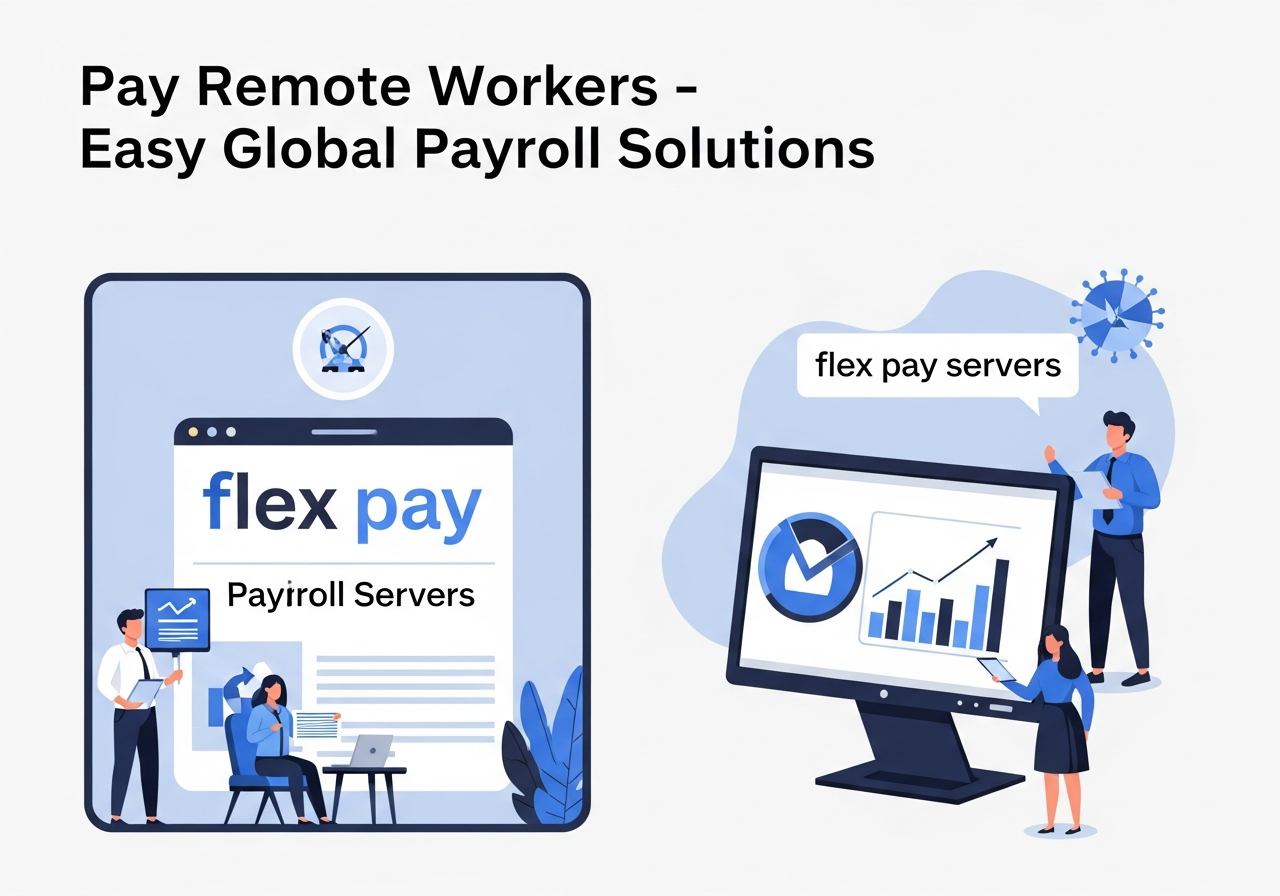
How to Pay Remote Workers Effectively
1. Choose a reliable global payroll platform: Look for a system designed to handle international payments, compliance, and multi-currency processing.
2. Understand local labor laws and taxes: Research the rules in each country where your remote employees are based, or leverage a platform that manages this automatically.
3. Set up multi-currency payments: Pay employees in their local currency to avoid conversion fees and ensure they receive the full salary amount.
4. Automate recurring payroll: Schedule regular, automated payments to reduce errors and ensure employees are always paid on time.
5. Maintain clear records: Keep detailed documentation of all payments, tax filings, and compliance reports for easy auditing and transparency.
6. Communicate with employees: Provide clear pay stubs and breakdowns to maintain trust and reduce confusion.
7. Monitor and optimize: Regularly review payroll performance, fees, and employee satisfaction to identify opportunities for improvement.
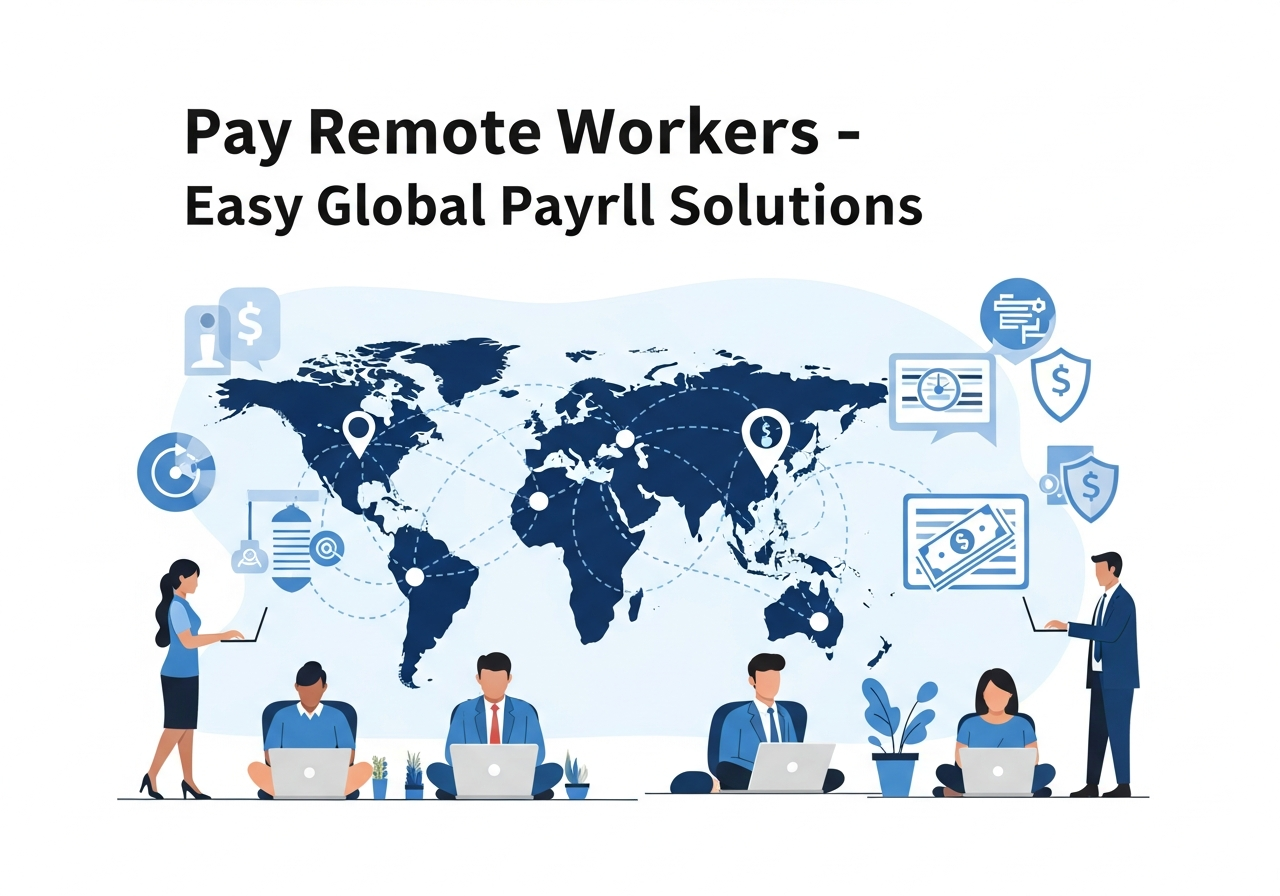
Final Thoughts
Paying remote workers doesn’t have to be a stressful, time-consuming process. By leveraging modern payroll solutions and following best practices, your business can ensure accurate, timely payments while staying compliant with local laws.
The companies that succeed with remote teams aren’t just the ones with the biggest budgets; they’re the ones that streamline processes, reduce friction, and prioritize employee satisfaction.
Efficient payroll builds trust, improves retention, and allows your team to focus on what really matters: growing your business.
Ready to simplify paying your remote team? With Stealth Agents, you can manage payroll for remote employees worldwide, ensure compliance, and keep your workforce happy, all from one centralized platform. Request a demo today and see how easy paying remote workers can be.
Paying remote workers can be tricky. Let Stealth Agents help you find easy solutions for payroll. You can keep your team happy and get back to growing your business. Get started today
Frequently Asked Questions
** How do I pay remote workers in different countries?**
You can pay remote employees through international payroll platforms, global PEOs, or payment providers that support multi-currency transfers and local compliance.
** What are the taxes and legal requirements for international payroll?**
Each country has its own tax, social security, and labor laws. A reliable global payroll platform automatically calculates deductions and ensures compliance with local regulations.
How can I avoid high fees when paying remote employees?
Paying in local currency, using automated international payroll solutions, and consolidating transfers can significantly reduce conversion fees and bank charges.
** What tools or platforms can help me manage payroll globally?**
Platforms like Stealth Agents, Deel, Remote.com, and Papaya Global provide centralized payroll, tax compliance, and multi-currency payments for remote teams.
How long does it take to set up a global payroll system?
Setup time depends on the number of employees and countries involved, but many modern platforms allow you to onboard your first remote employees within a few days or weeks.
Can I pay contractors and full-time employees using the same system?
Yes. Many global payroll platforms support both full-time employees and contractors, making it easy to manage diverse remote teams in one place.
Is my data safe when using a remote payroll platform?
Reputable payroll providers use bank-level encryption, secure servers, and compliance with international data privacy regulations to protect your employee and company data.
Ready to Get Started?
Stealth Agents provides dedicated support teams to handle the work that matters. Compare plans and pricing or explore our services to find the right fit for your business.
Frequently Asked Questions
What does How to Pay Remote Workers Accurately and Stay Compliant typically cost?
Costs for How to Pay Remote Workers Accurately and Stay Compliant vary based on skill level and service scope. Stealth Agents offers how to pay remote workers accurately and stay compliant starting from $10-$15 per hour, with full-time dedicated assistants available from $1,500-$2,000 per month. Pricing scales with experience and task complexity.
How much can businesses save with How to Pay Remote Workers Accurately and Stay Compliant?
Businesses typically save 60-80% compared to hiring in-house when using how to pay remote workers accurately and stay compliant. You eliminate payroll taxes, benefits, office space, and recruitment costs. Stealth Agents clients report recovering 15-25 hours per week on average, which translates to thousands in recovered productivity monthly.
Why choose Stealth Agents for How to Pay Remote Workers Accurately and Stay Compliant?
Stealth Agents has placed thousands of assistants across industries since 2014. Every assistant is pre-vetted through rigorous skills testing and background screening. You get a dedicated account manager, a satisfaction guarantee, and the flexibility to scale up or replace your assistant if your needs change. Book a discovery call to get matched with your ideal assistant.