
Updated Jan 21, 2026
Outsourced ERP implementation is the fastest way to streamline your business operations without overwhelming your internal team. Stealth Agents provides expert ERP consultants who handle everything: from setup and data migration to training and ongoing support.
Outsourcing ERP implementation can lead to significant benefits for businesses. Studies indicate that companies can save up to 30% on operational costs by outsourcing their ERP projects, thanks to reduced infrastructure investments and access to specialized expertise. Additionally, organizations that performed an ROI analysis prior to implementing their ERP systems reported that83% met or exceeded their ROI expectations.
Stealth Agents offers comprehensive outsourced ERP solutions, providing businesses with experienced consultants who handle everything from setup and data migration to training and ongoing support, ensuring a seamless and cost-effective ERP implementation process.
Outsourced ERP implementation is becoming an essential strategy for businesses seeking to reduce costs and improve efficiency. Recent studies show that companies can save up to 30% on operational costs by outsourcing their ERP projects.
With ERP systems' increasing complexity, virtual assistants are essential in managing tasks and streamlining processes. Stealth Agents offers comprehensive outsourced ERP solutions andERP consulting services, providing businesses with virtual assistant services to support their needs. Businesses can also explore a tailoredvirtual assistant package to fit their specific requirements.
This approach allows companies to focus on core activities while ensuring their ERP systems are expertly handled. Clients can explore their options and discuss preferences with Stealth Agents through a free consultation. This opportunity also includes insights into virtual assistant pricing and the outsourced ERP implementation price rate to ensure it aligns with business goals.
What is Outsourced ERP Implementation?
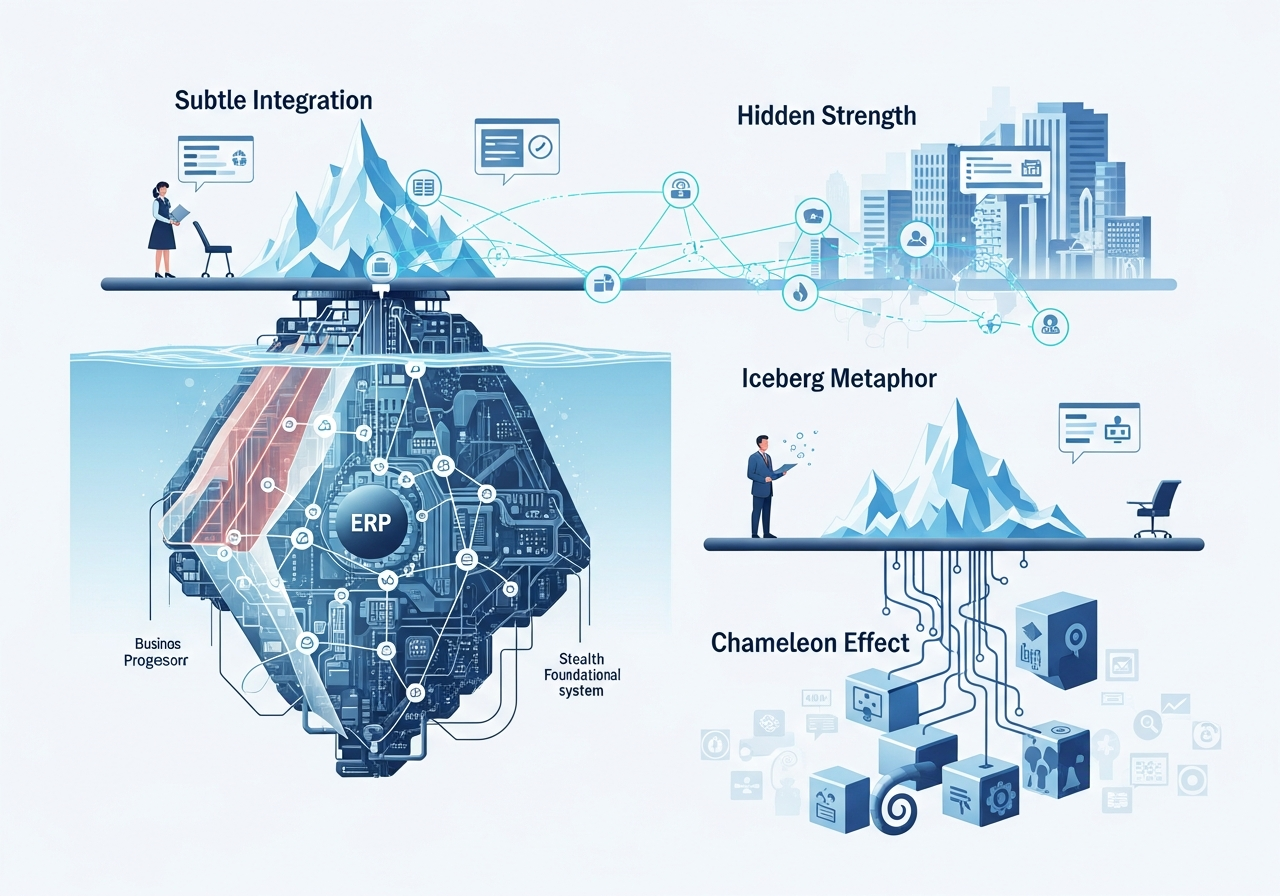
Outsourced ERP implementation refers to delegating the setup and management of an enterprise resource planning (ERP) system to an external provider.
This strategy allows businesses to access specialized expertise, reduce internal resource burdens, and streamline ERP system implementation.
By outsourcing ERP projects and choosing to hire ERP consultants, companies can ensure a more efficient deployment and maintenance of their systems.
The approach is particularly beneficial for organizations lacking the necessary in-house technical skills or those seeking to minimize operational disruptions.
ERP outsourcing partners typically offer tailored solutions to fit specific business needs, enhancing overall functionality throughmanaged ERP services.
This method provides businesses access to technological advancements without significant capital investment.
As a result, outsourced ERP implementation has gained traction as a cost-effective and dependable solution for many enterprises.
What Services Are Offered By Outsourced ERP Implementation?
1. ERP System Assessment and Planning
Outsourced ERP implementation begins with a comprehensive evaluation of your current processes and systems.
This service involves identifying gaps and opportunities for improvement to ensure that the new ERP system aligns with your business objectives.
Experts analyze your workflow, data management, and resource allocation to create a custom implementation roadmap.
The planning phase sets the base for a smooth deployment, minimizing risks and maximizing the ERP solution's effectiveness.
By leveraging external expertise, businesses can achieve a thorough and unbiased assessment that informs strategic decisions.
2. Custom ERP Configuration and Setup
Another crucial service outsourced ERP providers offer is customizing and configuring ERP software to meet specific business needs.
This process involves modules, user interfaces, and workflows tailored to your operational requirements.
Outsourced professionals ensure the ERP system integrates seamlessly with existing technologies and adapts to unique business processes, offering comprehensive ERP integration services.
Custom configuration enhances the ERP system's functionality, making it a valuable tool for upgrading efficiency and productivity.
Outsourcing this task as part of your ERP project outsourcing strategy allows companies to benefit from the experience in handling diverse implementation scenarios.
Partnering with an experienced ERP implementation partner ensures smooth enterprise ERP implementation, helping businesses achieve their goals efficiently.
3. Data Migration and Integration
Data migration is a critical feature of ERP implementation, and outsourcing this service ensures accurate and efficient data transfer.
Providers** handle data extraction, transformation, and loading from legacy systems** to the original ERP platform.
This process is meticulously managed to prevent data loss and ensure continuity in business operations.
Experienced professionals also handle integration with other systems, such as** CRM and supply chain management tool**s.
Outsourcing these tasks minimizes the risk of errors and ensures that all data is consolidated for comprehensive analysis and reporting.
4. User Training and Support
Successful ERP implementation requires thorough user training to ensure staff can effectively utilize the new system.
Outsourced ERP providers offer comprehensive training programs tailored to different user roles within your organization.
These sessions cover system navigation, data entry, report generation, and troubleshooting.
Continuous support is also given to address any issues that arise post-implementation.
By outsourcing training and support, businesses can ensure a high adoption rate and reduce the learning curve associated with new technology.
5. ERP System Testing and Quality Assurance
Before an ERP system goes live, it undergoes rigid testing to ensure it operates as intended.
Outsourced providers conduct functional, performance, and security testing to identify and rectify issues.
This service ensures the system is reliable, secure, and capable of handling business scenarios.
Quality assurance processes verify that all components work together seamlessly, preventing disruptions that could impact business operations.
By entrusting testing to specialists, companies can confidently launch their ERP systems.
6. Post-Implementation Review and Optimization
After an ERP system is deployed, outsourced providers conduct a post-implementation review to assess its performance and identify areas for improvement.
This service involves monitoring system usage, gathering user feedback, and analyzing key performance metrics.
Recommendations for optimization are then provided to enhance system efficiency and user satisfaction.
Regular reviews ensure that the ERP system continues to deliver value and adapts to changing business needs.
Outsourcing this service permits businesses to benefit from ongoing expert insight and support.
7. ERP Maintenance and Upgrades
Continuous maintenance is essential to keep an ERP system running smoothly and securely.
Outsourced providers offer regular system updates, security patches, and performance tuning to maintain optimal functionality.
They also manage system upgrades to introduce new features and capabilities as technology evolves.
Companies can focus on core business activities by outsourcing maintenance while ensuring their ERP system remains current and effective.
This service provides peace of mind, as experts oversee the system's technical health and compliance with industry standards.
Why Should I Outsource ERP Implementation Instead of Managing It In-House?
1. Access to ERP Experts
ERP outsourcing provides access to professionals with years of experience in ERP systems outsourcing implementation.
These experts specialize in tasks like data migration, customization, and training, ensuring smooth processes and high-quality results.
By outsourcing ERP implementation, businesses can avoid costly errors that often arise with inexperienced in-house teams.
ERP outsourcing companies also keep up with the latest technologies and practices, offering better solutions.
This ensures your ERP system is implemented efficiently without unnecessary delays.
2. Cost Savings
Hiring an in-house team for ERP resource outsourcing can be expensive, especially for smaller businesses.
Outsourcing ERP implementation eliminates costs associated with salaries, training, and software tools.
ERP cloud outsourcing offers flexible pricing options, so you only pay for what your business needs.
It's an effective way to manage your budget while receiving quality service.
Many famous ERP outsourcing firms also help clients avoid costly mistakes, saving your business money.
3. Faster Implementation
ERP outsourcing works faster than in-house teams, as they follow proven processes and strategies.
Experienced providers offering outsourcing ERP often deliver projects on time, reducing downtime for your business.
Their familiarity with ERP systems outsourcing means they quickly foresee and solve potential issues.
This ensures tasks like data integration, ERP support outsourcing, and configuration are handled efficiently.
Faster implementation translates to quicker access to the benefits of your ERP system.
4. Focus on Core Operations
By outsourcing ERP implementation, your team can focus on the core functions of your business.
Administrative tasks, errors, and delays can distract your staff from their primary responsibilities.
ERP cloud resource outsourcing ensures that experts handle these duties, while your employees concentrate on driving revenue.
This division of tasks improves overall efficiency for businesses.
Companies offering ERP outsourcing private limited help you maintain smooth operations while implementing the system.
5. Reduced Risk
ERP outsourcing companies mitigate risks associated with implementation by using their eexpertise
Expertise in experience to prevent data migration issues, outsourcing reduces the likelihood of project failure.
Providers specializing in ERP cloud outsourcing also use secure practices to protect your sensitive information
This guarantees a** smoother and safer transition to using the system.**
Trusting ERP vendors to outsource minimizes stress and gives businesses peace of mind.
How Do I Choose the Right ERP Implementation Partner?
1. EvalExperienceience
Look for ERP outsourcing companies with a proven track record in your industry.
Their history with outsourcing ERP implementation gives them a better understanding of industry-specific challenges.
Experienced providers can customize ERP software to suit your needs and proactively address potential issues.
Ask for case studies or client references to verify their expertise.
A trusted partner with a strong reputation ensures high-quality service.
2. Assess Their Approach to Security
ERP cloud outsourcing companies must prioritize data protection during implementation.
Ensure they use encryption, restricted access, and compliance with legal regulations to safeguard sensitive business information.
ERP support outsourcing providers should supply precise details about their security protocols.
Protecting your data should be a priority, as ERP systems hold valuable and often sensitive company information.
Always choose a provider committed to secure ERP resource outsourcing.
3. Understand Their Services
Not all ERP outsourcing companies offer the same service; it's essential to confirm what's included.
Ask if they cover training, ERP cloud resource outsourcing, support, and customization.
Some companies specialize in particular ERP products, so ensure their expertise aligns with the ERP system you plan to use.
A good ERP outsourcing partner will also provide options for ongoing support after project completion.
Understanding what they offer helps avoid unexpected gaps in the process.
4. Consider** communication** critical when outsourcing ERP implementation.
Choose providers who maintain communication with the project's progress.
This includes** updates on timelines, issues faced, and upcoming developments**.
Providers offering ERP vendors outsourcing must align their work with your business goals through regular consultation.
Clear and consistent communication ensures the implementation goes as planned and meets expectations.
5. Compare Costs and Value
While the cheapest ERP outsourcing isn't always the best option.
Check for hidden fees, service limitations, and whether the provider aligns with your goals.
Focus on both cost-effectiveness and the quality of service, as ERP cloud outsourcing should deliver long-term value.
Request quotes and compare ERP outsourcing product providers to find the best deal.
A fair balance between price and capability ensures sound investment in your ERP system.
How Much Does Outsourced ERP Implementation Cost?
Cost Component Description
Initial Setup The initial setup cost covers ERP software's installation, configuration, and integration with existing systems. It also involves technical consultation and resource allocation.
Customization Customization expenses involve tailoring the ERP system to fit specific business needs, including modifying interfaces and workflows for enhanced functionality and user satisfaction.
Data Migration This cost includes transferring existing data into the new ERP system and ensuring accuracy and consistency, which is crucial for maintaining business continuity and data integrity.
User Training Training costs cover comprehensive programs to educate staff on the new system, including navigating interfaces and understanding new workflows to ensure effective use.
Ongoing Support Support expenses provide access to technical assistance and troubleshooting to resolve issues swiftly, ensuring the ERP system runs smoothly and efficiently.
Maintenance Maintenance costs involve regular updates and security patches to keep the ERP system current and secure, protect against vulnerabilities, and ensure compliance with industry standards.
Total Cost Overview Outsourced ERP implementation costs vary depending on company size and specific requirements, but they typically balance initial investments with long-term operational savings.
How can Outsourced ERP Implementation be Managed?
Outsourced ERP implementation effectively begins with clear project objectives and a detailed plan aligning with business goals.
Effective commuCommunicationifferent situations for all stakeholders, including the ERP provider and internal teams, is on the CommuCommunicationblishing regular check-ins and using collaborative tools can help maintain transparency and address any challenges promptly.
Productivity vs hours worked becomes a key factor, as focusing on outcomes rather than time spent assures that the project progresses smoothly and efficiently.
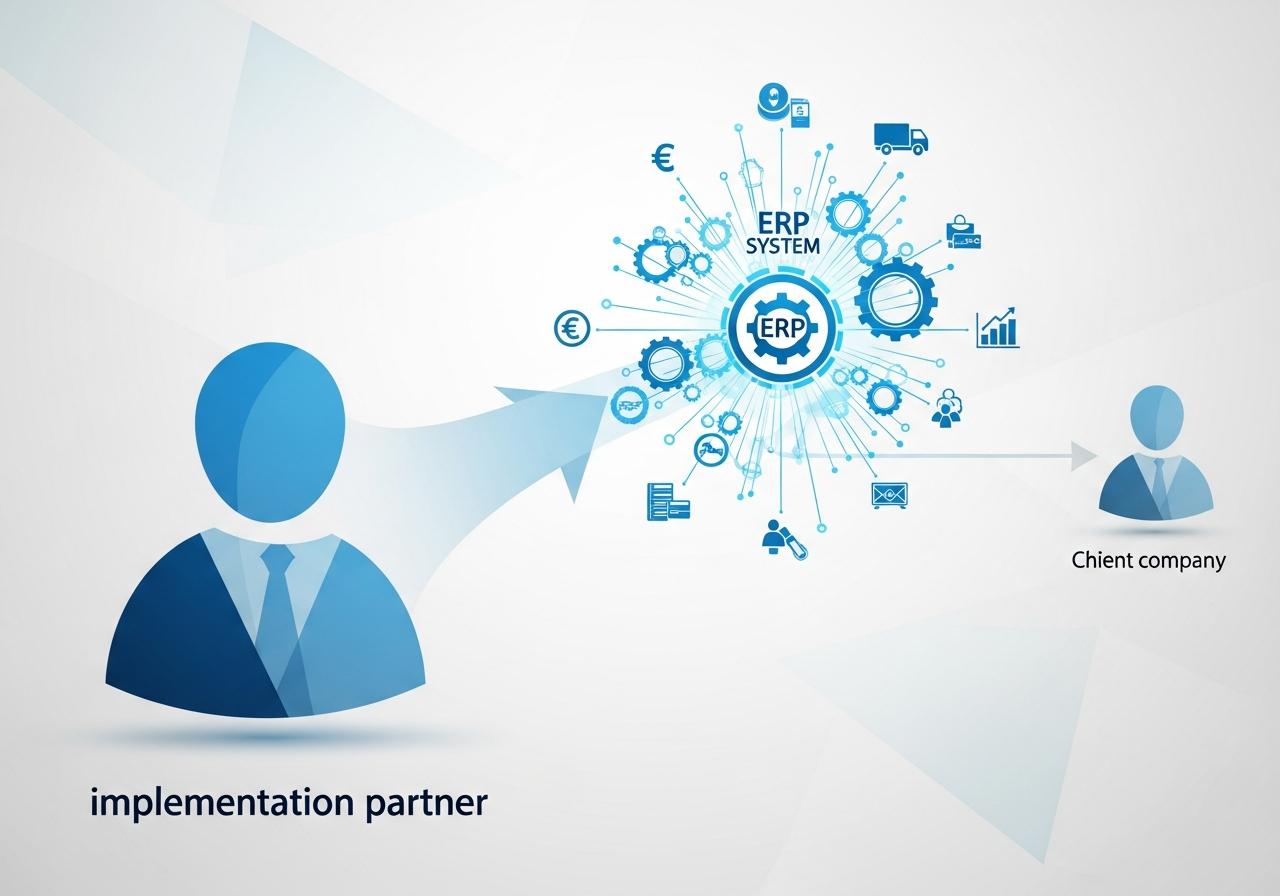
It's essential to have a dedicated project manager who can coordinate activities and act as a liaison between the company and the external provider.
Proper training is also vital, enabling staff to utilize the new system effectively while minimizing disruptions.
Finally, ongoing support and feedback loops allow continuous improvement and adaptation to evolving business needs.
Why Stealth Agents for Outsourced ERP Implementation?
Choosing Stealth Agents for outsourced ERP implementation offers businesses a unique advantage due to their reputation as a top Filipino outsourcing company.
With a team of skilled experts, they give understandable solutions that are tailored to meet specific business needs.
When you hire a remote Filipino worker from Stealth Agents, you gain access to dedicated expertise in managing and implementing ERP systems efficiently.
Their approach emphasizes clear communication and commitment to delivering high-quality service, ensuring your ERP project aligns seamlessly with your communications**. Agents ’ detailed understanding of the local and international market** positions them as a reliable partner in the ever-evolving business landscape.
They focus on delivering results while maintaining cost-effectiveness, making them a preferred choice for companies looking to optimize their ERP capabilities.
Combining skilled professionals and strategic insights ensures your business remains competitive and well-supported.
Furthermore, their ability to integrate seamlessly with existing teams enhances productivity and fosters a collaborative environment.
By leveraging their expertise, businesses can confidently navigate the complexities of ERP implementation, ensuring long-term success and adaptability in a dynamic market.
Stealth Agents also offers flexible engagement models, allowing businesses to scale their resources according toproject demands.
Their robust support framework ensures continuous guidance and problem-solving, helping companies mitigate risks and achieve operational excellence.
Key Takeaways
-
Outsourced ERP implementation helps businesses reduce operational costs by delegating complex system management to experts, allowing companies to focus on core activities.
-
Companies leverage specialized skills and experience by choosing to outsource, ensuring efficient handling of intricate ERP processes and systems.
-
A significant benefit of outsourced ERP implementation is the ability to access a global talent pool, providing diverse expertise and innovative problem-solving approaches.
-
Through outsourced ERP implementation, businesses can achieve scalability and adapt quickly to market demands without the constraints of in-house resources.
-
Engaging in outsourced ERP implementation offers a flexible approach to system upgrades and maintenance, ensuring systems remain current and secure.
-
Outsourced ERP implementation enhances business continuity by providing consistent support and minimizing disruptions during transitions or technological updates.
-
By opting for outsourced ERP implementation, companies gain valuable insights into system improvements and optimization, driving better decision-making and operational efficiency.
Outsourcing ERP can save you money and time. Our team at Stealth Agents makes it easy to set up your system and support you along the way. Get started today!
Frequently Asked Questions
What industries benefit most from outsourced ERP implementation services?
Industries like manufacturing, retail, healthcare, and financial services benefit the most. These industries deal with complex supply chains, strict rules, and large amounts of data. Outsourcing helps because they often don’t have the in-house expertise needed for ERP projects.
When is the best time to outsource ERP implementation for a growing business?
The best time is when your business is growing, upgrading systems, or when your IT team is too busy. Outsourcing is also a good idea if you need the ERP set up within 6-12 months or want to avoid disrupting daily operations during the change.
Where can I find certified ERP implementation consultants for outsourcing projects?
You can find certified consultants through outsourcing firms like Stealth Agents, tech consulting companies, or ERP vendor partner networks. Look for consultants certified by ERP providers like SAP, Oracle, or Microsoft, and check their reviews and client feedback.
Who should lead the internal team when working with outsourced ERP implementation providers?
An IT director or project manager should lead the internal team. This person acts as the main contact between your company and the provider, keeps track of timelines, and ensures the ERP meets your business needs. They should know your company’s processes and communicate well.
How long does typical outsourced ERP implementation take compared to in-house projects?
Outsourced ERP projects usually take 6-18 months, which is 20-30% faster than in-house projects. Small businesses might finish in 3-6 months, while large companies may need 12-24 months. Outsourcing is faster because providers use experienced teams and proven methods.
What contracts and agreements are needed for outsourced ERP implementation services?
You’ll need a master service agreement, a statement of work (which explains the project details), data protection agreements, and service level agreements (SLAs). These documents should cover timelines, payments, deliverables, confidentiality, and support after the project is done.
Why do some outsourced ERP implementation projects fail and how to prevent it?
Failures happen due to unclear requirements, poor communication, lack of user training, or unrealistic timelines. To prevent this, choose the right provider, set clear goals, train your team, review progress regularly, and have strong leadership within your company.
Which ERP systems are most commonly used in outsourced implementation projects?
Popular ERP systems include SAP S/4HANA, Oracle NetSuite, Microsoft Dynamics 365, and Sage. Cloud-based systems like NetSuite and Dynamics 365 are popular because they are easier to set up and don’t need much hardware. The best choice depends on your business size, industry, and budget.
How do I measure ROI from outsourced ERP implementation services?
You can measure ROI by looking at cost savings, better productivity, improved inventory management, and time saved through automation. Key metrics include less manual work, more accurate data, faster reports, and lower IT costs. Most businesses see ROI within 12-24 months if the project is well-managed.
What happens if the outsourced ERP implementation provider fails to deliver on time?
If deadlines are missed, check your SLA for penalties and next steps. You might adjust timelines, add more resources, or end the contract with help transitioning to another provider. Choose providers with good track records and clear plans for handling delays. Always have a backup plan and ensure knowledge transfer to protect your business.