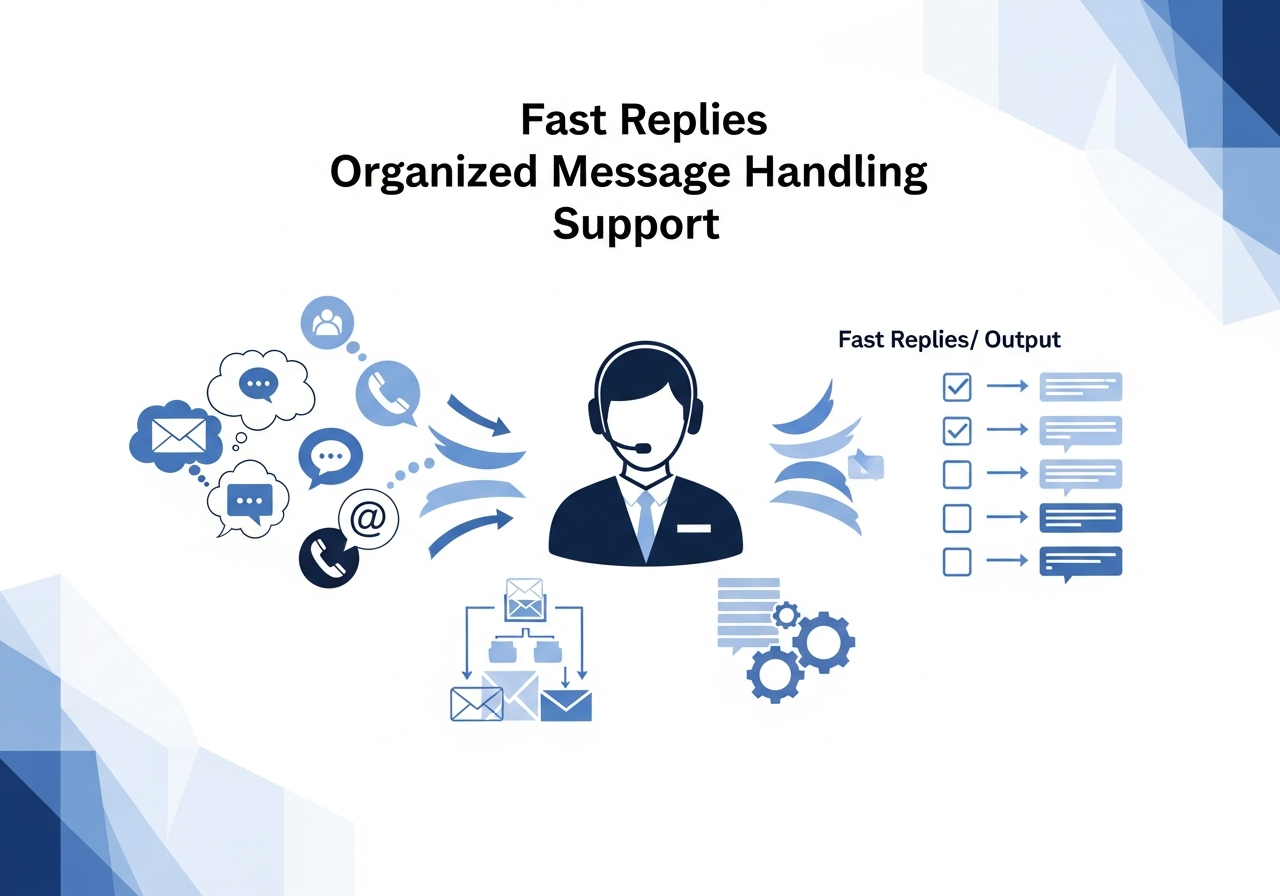
Inbound message management is essential for businesses that want to respond faster, stay organized across channels, and never miss an opportunity. Stealth Agents makes it simple by providing trained virtual assistants who handle your incoming messages efficiently so you can focus on growth while they take care of communication.
In today’s digital landscape, speed and organization in message handling matter more than ever. Data shows that companies responding to customer inquiries within one hour are seven times more likely to retain those customers than those who wait longer. Meanwhile, 70% of consumers expect replies on social media or chat within five minutes, and nearly 90% consider fast responses crucial for brand loyalty.
Partnering with Stealth Agents gives you expert support for 24/7 message monitoring, swift replies, and organised ticket workflows, so you never let a message slip through the cracks and your customers feel heard in real time.
Outsource inbound message management support to meet the growing expectations for fast responses in today’s business world.
Did you know that 90% of customers expect an immediate reply to their inquiries, with some willing to switch brands if they don’t get quick service?
Managing messages across multiple platforms can exhaust resources, lower productivity, and stretch business owners thin.
This blog offers a practical guide to solving these challenges, helping you maintain customer satisfaction while prioritizing other business goals.
With Stealth Agents, businesses saved up to 40% on operational costs by outsourcing tasks like this, freeing up time for growth opportunities.
In fact, according to Deloitte, 70% of businesses choose outsourcing specifically to cut costs—a testament to how effective this strategy can be compared to hiring in-house staff. Outsourcing not only reduces expenses but also streamlines resources, letting teams focus on what matters most: driving the business forward.
Industries That Gain from Live Chat Outsourcing Solutions
When it comes to leveraging inbound message management, live chat outsourcing isn’t just for tech giants—it’s a game changer across a range of industries.
Here’s where live chat support really shines:
- Retail & E-Commerce:
- Online stores and marketplaces rely on live chat to offer real-time product recommendations, answer purchase questions, and resolve cart issues before customers bounce. From boutique fashion brands to global retailers, instant chat support helps increase sales conversions and keeps shoppers coming back.
- Consumer Electronics & Technology:
- Tech companies, from camera manufacturers to computer providers, use live chat to deliver 24/7 technical assistance, troubleshoot issues, and streamline warranty support. Customers appreciate quick, expert guidance without the headache of long wait times on the phone.
- Banking & Financial Services:
- Financial institutions put live chat in place to assist with account inquiries, loan applications, and fraud alerts. Chat support provides clients with secure and immediate answers, improving trust and service satisfaction.
- Travel & Hospitality:
- Airlines, travel agencies, and hotel groups use live chat to help with booking questions, itinerary changes, and special requests. This personal touch not only clarifies details for travelers in the moment but also builds deeper loyalty.
- Health & Wellness:
- Healthcare providers and telemedicine platforms implement live chat to schedule appointments, answer basic medical questions, and manage patient requests confidentially. Quick responses here can make all the difference in patient experience.
- Automotive & Recreational Products:
- Bicycle companies and car dealerships benefit from live chat on their sites, guiding potential buyers through product specs, financing options, and the purchasing process—boosting satisfaction and accelerating sales cycles.
- Luxury & Specialty Retail:
- Brands selling jewelry, designer apparel, or specialty goods enhance customer experiences by offering video chat or live messaging for personalized shopping assistance, which often leads to higher order values.
- Home Goods & Electronics Retailers:
- Furniture and electronics retailers use chat support to efficiently answer stock queries, explain features, and provide post-purchase guidance, leading to reduced abandoned carts and happier customers.
Offering free consultations for virtual assistant pricing, Stealth Agents can help you find and hire the proper support to make responding effortless and efficient.
What Is Inbound Message Management Support?
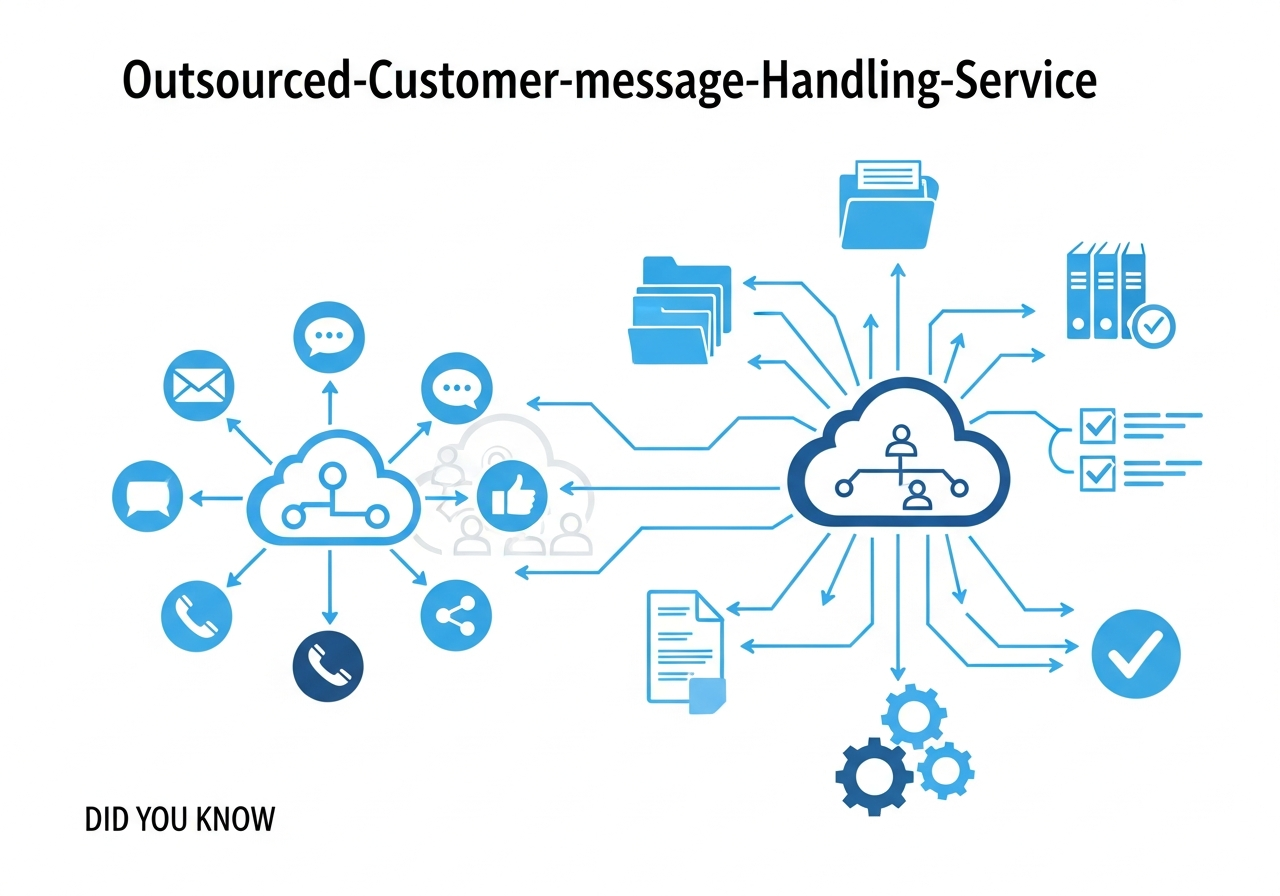
Inbound message management support involves handling and organizing incoming customer inquiries through various communication channels, enhancing response times and overall customer satisfaction.
Businesses often rely on outsourcing solutions like outsourced inbound sales services to ensure smooth communication and build stronger customer engagement. With the rise of remote work, virtual support teams have become essential to effectively handling high volumes of customer messages.
Around 90% of consumers rate immediate responses as critical to their service experience, highlighting the importance of efficient message management.
Companies using inbound message management support can focus on core operations while ensuring no customer inquiry goes unanswered.
This approach allows businesses to maintain professional communication standards, meet customer needs, and drive long-term loyalty. The combination of virtual assistant and tailored support services underscores how this framework adapts to modern customer expectations.
Key Aspects That Inbound Message Management Support Brings to Businesses
1. Timely and Organised Message Handling
Efficient management of incoming messages ensures businesses maintain a strong connection with their customers.
A reliable system categorizes and addresses inquiries, complaints, and follow-ups faster, leading to smoother operations and reduced wait times.
Hiring professionals for inbound message management support minimizes the chances of missed communication, keeping businesses responsive.
This is particularly valuable for maintaining trust and loyalty among customers.
Organized message handling also helps streamline workflows, enabling workers to concentrate on their primary responsibilities uninterruptedly.
A Filipino message management specialist with fast and efficient skills can handle even the trickiest correspondence. Delivering timely responses not only reinforces credibility but also positively impacts bottom-line results.
Examples of Live Chat Outsourcing Transforming Customer Service
The widespread adoption of live chat outsourcing has helped a range of companies—from retail giants to tech innovators—meet rising customer expectations while driving impressive results.
Let’s look at how various brands have leveraged outsourced live chat to create better customer journeys:
- Accelerated Response Times: Leading companies in sectors like electronics and fashion have rolled out on-demand chat support across their websites, making it easy for visitors to get instant answers. Instead of waiting hours (or days) for email replies, customers can now connect with knowledgeable agents who troubleshoot problems, answer questions, and guide them to solutions in real time.
- Personalized and Seamless Assistance: Retailers have integrated live chat options that not only answer customer queries but also offer tailored product suggestions and help facilitate smooth order placement. This enhances engagement and can increase conversion rates, since shoppers feel supported every step of the way.
- Expanded Support Coverage: Tech companies have embraced live chat to deliver around-the-clock support, with agents ready to assist no matter the time zone. Some brands offer customized chat categories (e.g., sales, technical help, returns), ensuring customer issues are handled by the right expert, often leading to faster resolutions and higher user satisfaction.
- Deeper Customer Engagement: By deploying advanced chat tools—including video chat and real-time messaging—luxury retailers and specialized online stores provide immersive, high-touch experiences. Customers benefit from personalized recommendations, virtual shopping assistance, and prompt order support, leading to larger average order values and greater brand loyalty.
- Reduced Abandonment and Enhanced Retention: For many businesses, integrating intuitive live chat has helped lower cart abandonment rates and build stronger relationships. Customers see prompt responses as a sign of reliability, which encourages repeat purchases and positive word-of-mouth.
Across industries, outsourcing live chat continues to be a proven way for brands to streamline support, increase satisfaction, and translate great service into measurable business growth.
Advanced Technology at Your Fingertips
One of the standout advantages of partnering with live chat outsourcing companies is immediate access to cutting-edge technology and seasoned expertise—without the cost or hassle of building your own tech stack.
These providers invest in robust chat platforms equipped with smart features like chatbots, real-time language translation, and sentiment analysis to keep the conversation smooth and customer-focused.
Here’s how this technological edge benefits your business:
- Automated Efficiency: Advanced chatbots handle standard inquiries around the clock, leaving human agents free to focus on complex cases and truly personal touches.
- Personalized Experiences: With real-time data integration, service reps can tap into complete customer histories—giving them the context to provide fast, relevant, and personalized responses.
- Sentiment Tracking: AI-powered tools instantly detect customer frustration or confusion and automatically escalate situations to live agents before issues escalate.
- Seamless Integrations: Leading live chat solutions connect smoothly with CRMs, payment gateways, ticketing systems, and more. This unified approach keeps information flowing and eliminates data silos.
- Scalability: Whether you’re an agile startup or scaling to meet enterprise demands, these outsourced solutions grow with you, offering professionalism and advanced tech from day one.
By handing off the technical heavy lifting to specialized providers, even lean teams gain enterprise-grade capabilities.
The result? Enhanced customer interactions, improved agent productivity, and streamlined workflows—all powering the consistent, high-quality digital service today’s customers expect.
Seamless Integration with Core Business Systems
Integrating live chat tools directly with essential systems—like your CRM, payment gateways, ticketing software, and ERP platforms—creates a smoother experience for both customers and your team.
When these tools are connected, here’s what improves:
- Faster, Personalized Service: Agents can instantly access customer histories, recent transactions, and account details right from the chat window. This means they’re ready to provide tailored answers and solutions, cutting out the time spent toggling between different programs or asking repeat questions.
- Quicker Issue Resolution: With payment gateways and ticketing systems linked, representatives can check order statuses, process payments, or open support tickets within seconds, resolving queries in real time.
- Unified Communication: By breaking down data silos, all channels—from email and phone calls to chat and social—feed into one holistic view. This not only prevents miscommunication but also ensures no message falls through the cracks.
Integrating your live chat with core systems amplifies productivity, strengthens security through controlled access points, and boosts customer satisfaction by delivering swift, informed support every step of the way.
Seamless Technology Integration for Live Chat Support
Integrating technology into live chat support plays a crucial role in elevating customer service standards and operational efficiency.
With seamless tech integration, businesses can:
- Centralize all customer interactions, ensuring support agents have a complete view of previous conversations regardless of channel.
- Sync live chat tools with essential platforms such as customer relationship management (CRM) systems, payment portals, ticketing software, and enterprise resource planning (ERP) databases.
- Enable faster, more personalized responses by providing agents with instant access to order histories, account details, and relevant customer data.
How can this integration be achieved?
Connecting systems typically involves using APIs and cloud-based connectors to bridge live chat platforms with back-end business tools.
For instance, utilizing integration solutions like Talkdesk or Zapier can automate conversations, route tickets to the right departments, and ensure no inquiry slips through the cracks.
When live chat is technologically integrated, businesses benefit from smoother workflows, comprehensive reporting, and the ability to adapt quickly to evolving customer needs—all of which frees up internal teams to focus on more strategic tasks.
Leveraging Chatbots, Real-Time Translation, and Sentiment Analysis for Enhanced Live Chat Support
Modern live chat support is more than just an open chat window—it’s a blend of intelligent technology and skilled professionals that together create a seamless customer experience.
Chatbots can instantly handle routine questions, delivering accurate information 24/7, which ensures your human team is available for more complex conversations or customer relationship building.
By resolving common requests automatically, chatbots like those offered by Intercom and Drift allow your business to maintain consistent service even during high-traffic periods.
Real-time translation bridges language gaps, making it possible for businesses to serve global audiences without missing a beat.
Advanced tools, such as Google Translate API, easily integrate into chat platforms, helping agents and customers communicate effortlessly—no matter where they are.
Sentiment analysis uses AI to “read between the lines” and flag conversations where customer frustration, confusion, or dissatisfaction may be brewing.
This empowers your support team to step in early, prioritize urgent cases, and keep minor issues from spiraling into lost business.
Collectively, these features enhance both responsiveness and personalization—ensuring no customer gets left waiting and every message receives the attention it deserves.
When implemented effectively, they become essential components for delivering the prompt, professional, and personalized support today’s customers expect.
Choosing the Right Live Chat Software for Effective Customer Support
When it comes to maximizing customer engagement, selecting the right live chat software is crucial.
Businesses should compare a range of leading platforms that offer robust features catering to both customer needs and agent efficiency.
Key features to evaluate include:
- Advanced chatbot capabilities to automate routine queries
- Real-time translation for supporting global audiences
- Sentiment tracking to tailor responses on the fly
- Seamless third-party app integrations for workflow continuity
- Mobile-friendly interfaces for on-the-go support
- Stringent security protocols to protect customer information
Prioritize platforms that not only enhance the customer experience but also empower your team to respond quicker and more accurately.
For organizations needing customization and scalability, it may be helpful to look at enterprise-level solutions that allow for tailored workflows and rich reporting.
2. Boost in Customer Satisfaction
When incoming messages are managed well, customers feel heard and valued.
Prompt and professional replies foster trust and satisfaction, laying the foundation for long-term loyalty.
A skilled customer experience management virtual assistant ensures businesses maintain a high standard of care in every interaction. Clear communication reduces misunderstandings, allowing quicker resolution of customer concerns or questions.
Customers who are satisfied with your brand are more inclined to tell others about it, positively influencing your reputation.
This directly contributes to increased retention rates, offering businesses consistent, repeat revenue growth. Proactive message support transforms every communication into a positive opportunity for customer engagement.
3. Efficient Use of Resources
Proper inbound message systems free up energy for running a business. By hiring experts, companies reduce the time and effort spent filtering through and addressing every message internally.
Skilled professionals can prioritize issues, optimize processes, and improve productivity overall.
Organized systems save valuable time while maintaining a responsive and professional image.
Businesses can focus on long-term growth strategies such as marketing and sales. This balanced approach creates harmony between operational efficiency and personalized touchpoints.
A well-managed inbound message strategy helps turn businesses into smoother operations without unnecessary overhead.
4. Data Insights from Message Trends
Every piece of communication holds valuable information about customer needs and challenges. Professionally managed systems collect and analyze incoming messages, helping businesses identify key patterns and trends.
These insights guide better decisions, like refining services or launching new products.
A Filipino message management specialist is great at spotting recurring inquiries and feedback and providing actionable recommendations.
Data-backed choices are more likely to benefit overall growth and customer satisfaction.
Regular analysis ensures businesses stay tuned into what their audience expects. Addressing trends quickly positions brands as proactive, attentive, and customer-oriented in competitive markets.
5. Improved Scalability and Flexibility
Managed inbound messaging grows alongside your business without compromising quality.
Hiring experts ensures a consistent ability to handle high message volumes, especially during growth spurts or busy seasons.
Whether it’s holiday rushes or new product launches, equipped teams keep communication running smoothly.
A customer experience management virtual assistant can adapt quickly and offer flexible support. This dynamic approach supports brands through slow and peak periods without overwhelming your team.
Consistent communication builds confidence among customers and keeps the operational flow strong. Flexible systems that handle fluctuating needs make businesses more reliable to clients throughout their journey.
Efficient utilization of resources and quick response to changes in chat volume help ensure your business maintains a reputation for reliability, no matter how the tides of demand shift.
Aligning Outsourced Live Chat with Your Brand’s Experience Goals
Integrating outsourced live chat into your customer support strategy isn’t simply about answering messages—it’s about ensuring every touchpoint reflects your brand’s values and vision.
Here’s how businesses can achieve seamless alignment:
- Define Your Brand Voice: Clearly outline your brand’s tone and communication guidelines. When onboarding outsourced teams, provide examples (think Apple’s helpful simplicity or Zappos’ quirky friendliness) to set the gold standard for customer engagement.
- Set Measurable Service Expectations: Establish KPIs, such as response time, resolution rate, or customer satisfaction scores, tailored to your unique brand promise. Share these benchmarks with your support provider so performance always matches your requirements.
- Collaborate on Training: Involve outsourced specialists in custom training sessions, using real examples and scenarios from your company’s day-to-day operations. Role-plays and shadowing help external partners internalize your approach and handle every chat your way.
- Leverage Feedback Loops: Regularly review customer feedback, chat transcripts, and team performance together. Use insights to tweak scripts or adopt best practices from top brands in your industry, ensuring continuous improvement and consistency.
- Prioritize Flexibility: Choose partners with the capacity to adapt—whether it’s scaling up support during Black Friday or mirroring a newly launched brand campaign. A flexible outsourcing strategy is key to preserving your unique customer experience, no matter the season or challenge.
Aligning outsourced chat teams with your brand goals transforms external partnerships into genuine extensions of your in-house culture—making sure every customer conversation leaves a lasting, positive impression.
Key Factors for Selecting a Live Chat Outsourcing Partner
Deciding to outsource your live chat support is a big step toward improving customer engagement. But with options flooding the market, how do you know which partner is truly up to the task?
Here are some must-consider points when sizing up potential outsourcing providers:
- Industry Experience
- Look for partners who deeply understand your sector. Their experience with businesses like yours means they’re familiar with industry jargon, common customer challenges, and can deliver more personalized support.
- Technology and Automation
- Evaluate the breadth and reliability of their chat platforms. Top-tier providers offer robust tools, from responsive chatbots to real-time analytics and sentiment detection. These features enhance response speed and allow for smarter customer interactions.
- Scalability & Flexibility
- Can they quickly adjust to match your business’s peaks and valleys? Whether you’re ramping up for a product launch or need more hands during the holiday season, an ideal partner scales support as your needs evolve—without missing a beat.
- Security Standards
- Remember that customer data must remain protected. Confirm the provider upholds strict security protocols, adheres to privacy regulations, and has a clean compliance record. This reassures customers while safeguarding your brand reputation.
- Track Record and References
- Don’t shy away from asking for case studies or references. Insights from past and current clients give you a glimpse into the provider’s responsiveness, problem-solving ability, and the real-world results they deliver.
- Customization & Alignment
- Your business is unique—your chat support should reflect that. Assess if the partner can tailor scripts, workflows, and reporting to match your tone, values, and operational goals.
- Cost vs. Value
- Budget matters, but a “cheap and cheerful” option might cost you more in the long run if customer satisfaction dips. Weigh the scope of services, quality levels, and support hours against the price. It’s all about finding lasting value, not just bargain rates.
What Problems Can Outsourced Inbound Message Management Support Help Solve?
1. Overwhelming Volume of Customer Queries
Managing an unending stream of customer messages can be daunting, especially for businesses navigating remote work environments. Whether it’s responding to questions on live chat, emails, or social media, delayed replies could cost you customer trust.
Hiring inbound message management support ensures professionals, maintains customer satisfaction, and promptly handles every query.
These experts organize and prioritize messages efficiently, providing faster resolutions. By focusing on seamless communication, businesses can maintain a professional image without overburdening internal teams.
Additionally, a virtual assistant or customer service specialist dedicated to this task frees up your staff’s time for strategic projects.
This ensures that the quality of service remains high even during peak periods. Reliable support teams deliver personalized responses, boosting retention while minimizing the chaos caused by message overload.
Why Quick, Consistent Support Matters
Customers today expect more than just answers—they want them fast and around the clock. Outsourcing live chat or inbound message management can offer:
- 24/7 availability: Never miss a message, no matter the time zone or holiday season.
- Quick responses: Prompt replies keep customers engaged and happy.
- Consistent service quality: Every interaction is handled professionally, maintaining your brand’s reputation.
This level of responsiveness doesn’t just protect your reputation; it actively drives growth. In fact, 38% of customers are more likely to recommend a company that delivers excellent service. Meeting these expectations is more than good practice—it’s essential for building loyalty and fueling positive word-of-mouth.
2. Handling Negative Feedback
Negative comments and reviews on social platforms are a common issue for many businesses. Responding to critiques is not just about damage control; it’s an opportunity to rebuild trust.
By hiring inbound message management support, brands can rely on skilled professionals to address these situations diplomatically.
A calm and responsive approach turns critics into loyal advocates. Whether it’s a social media strategist with the right tone or a dedicated responder who handles heated exchanges, these teams ensure timely and conflict-free resolutions.
They focus on creating meaningful customer experiences while keeping the brand voice intact.
Properly managed feedback shows customers you listen and care, which can influence others to trust your services. Reliable handling of sensitive interactions often results in better long-term customer relationships.
3. Missed Opportunities for Lead Conversion
An unanswered message isn’t just a missed question—it’s a missed sale. Potential leads reach out online, expecting assistance with their queries. If delays occur, they may move to competitors.
With inbound message management support, businesses never lose opportunities because professionals handle leads instantly.
Whether explaining services, booking demos, or answering product questions, each response is crafted to guide potential customers through decision-making.
Freelance operators and remote teams are adept at providing 24/7 availability and addressing leads from various time zones. This constant engagement increases your chances of closing deals.
A proactive team guarantees better lead nurturing and encourages confidence in your brand. Efficient communication can often turn an inquiry into a long-term customer relationship.
4. Struggles with Multichannel Communication
Managing messages across multiple platforms, such as email, social media, and live chat, often leads to inconsistencies. A disorganized approach creates confusion for both the team and customers.
Hiring inbound message management support coordinates multichannel communication. These services focus on consistent tone and accuracy, regardless of the message’s origin.
Today’s customers often switch between platforms, making seamless communication critical. A social media strategist can actively track trends and ensure replies are relevant to audience expectations.
With a remote team’s ability to respond promptly, businesses can maintain clarity and professionalism in every interaction.
This keeps your brand messaging cohesive while minimizing errors or duplicate responses. Coordinate all platforms using one responsive method to improve overall communication efficiency.
5. Lack of Language or Cultural Understanding
Expanding globally introduces challenges like language barriers and cultural differences in communication.
Poor handling of these factors risks alienating customers or misrepresenting your brand. When you hire inbound message management support, you gain access to specialists skilled in communicating across cultures.
These professionals ensure localized and respectful responses, building stronger connections with international audiences.
A trained virtual assistant or freelance communicator can adapt to regional preferences, preventing misunderstandings and enhancing your global appeal. Whether crafting polite responses or deciphering slang, these experts help you engage meaningfully across all demographics.
Customers feel valued when understood, leading to higher retention and stronger brand loyalty. Investing in cultural awareness shows your commitment to inclusivity and positions your business as globally competent.
How to Maximize the Benefits of Live Chat Outsourcing
Outsourcing your live chat support isn’t a “set it and forget it” deal. To truly unlock its full potential, you need a hands-on approach that ensures your digital customer engagement remains both seamless and authentic.
Here’s how you can make sure you’re not leaving any value on the table:
1. Be Strategic in Your Partner Selection
Don’t just jump at the first live chat vendor with flashy promises or low prices. Instead:
- Evaluate their experience within your industry—does their expertise align with the tone and complexity of your customer conversations?
- Dig into their technology offerings. Look for essentials like real-time translation, chatbot automation, mobile friendliness, sentiment monitoring, and analytics dashboards.
- Ask for clear evidence of flexibility—the best partners should scale with your seasonal peaks and business growth, adapting coverage as needed.
2. Prioritize Consistent Brand Messaging
Ensure your outsourced agents fully understand your brand voice, language, and values. Share your style guides, escalation protocols, and cultural do’s and don’ts.
Some businesses offer shadowing sessions or ongoing role-play training, making sure every interaction upholds your promise to customers, whether it’s on social media, web chat, or email.
3. Leverage Advanced Tools and Integration
To deliver top-notch customer experiences:
- Choose providers who deploy robust live chat platforms (think Intercom, LiveChat, Zendesk, or Drift) that offer seamless integrations with your CRM, help desk, payment gateways, and other backend systems.
- This allows for unified interaction histories and personalization—small touches that spark loyalty.
- Ask about automation: Chatbots can field the quick questions, freeing up human agents for more nuanced or emotionally charged interactions.
4. Monitor Performance Metrics Regularly
Don’t wait for things to fall through the cracks. Stay proactive by:
- Setting clear KPIs—response times, resolution rates, CSAT scores, and conversion metrics.
- Requesting regular performance reports and agent feedback.
- Auditing interactions to spot trends or uncover training needs, so you can fine-tune for continuous improvement.
5. Foster Open Communication
A healthy outsourcing partnership is built on transparency. Schedule frequent check-ins with your service provider to address challenges, celebrate wins, and brainstorm ways to optimize workflows.
Encourage a feedback loop so your in-house team and outsourced agents remain aligned.
By embracing these steps, you’ll transform live chat outsourcing from just another business expense into a powerful, integrated engine for customer engagement and brand trust.
Key Considerations When Choosing a Live Chat Outsourcing Partner
Selecting the right live chat outsourcing vendor can make all the difference in your customer engagement strategy.
Here are several crucial factors to keep in mind:
- Industry Experience and Specialization
- Ensure your chosen partner understands your industry’s unique needs. Experience in your vertical brings valuable insights into customer expectations, compliance requirements, and typical pain points.
- Technology and Integration
- Look for vendors that utilize up-to-date solutions like chatbot automation, AI-powered sentiment analysis, and seamless integration with major platforms such as Zendesk or Intercom. The right technology stack should adapt to your current workflow—not disrupt it.
- Scalability and Flexibility
- As your business grows or experiences seasonal fluctuations, your provider needs to scale accordingly. Ask about their capacity to ramp up support quickly during busy periods and their flexibility for changing needs.
- Data Security and Compliance
- Protecting customer information is non-negotiable. Confirm the vendor’s compliance with data protection standards like GDPR or CCPA and their routine security practices, including staff training and regular audits.
- Proven Track Record and Client References
- Don’t hesitate to request references or case studies, ideally from clients similar to your business. Positive feedback from the likes of Shopify or HubSpot users signals reliability and service quality.
- Budget Alignment and Long-Term Fit
- Make sure pricing structures are transparent and fit within both your immediate and future budgets. A good partner provides options that support your three- to five-year growth plan.
What Is the Difference Between Inbound and Outbound Messages?
Inbound messages focus on receiving and responding to customer queries or interactions, while outbound messages involve actively reaching out to potential leads.
Businesses often rely on inbound message management support to handle customer inquiries efficiently and ensure prompt and accurate responses through digital communication. Virtual assistants for inbound marketing firms play an essential role in this process, managing tasks like answering emails, chats, and social media messages.
With the rise of remote work and flexible schedules, businesses can hire skilled professionals to streamline inbound communication and boost customer satisfaction.
Studies reveal that 82% of customers expect immediate responses to sales or service questions, emphasizing the importance of well-managed inbound strategies.
Conversely, outbound messaging often involves email campaigns, telemarketing, or other strategies for direct engagement, targeting broader audiences proactively. Combining adequate inbound support with skilled assistants provides businesses with a seamless way to manage customer engagement while focusing on growth.
How Do Global Outsourcers Differ from Boutique Providers?
When choosing between global outsourcers and boutique live chat outsourcing providers, it’s important to understand their unique strengths and focus areas.
Global outsourcing firms—think Teleperformance or Concentrix—bring vast resources, established processes, and the ability to scale quickly across diverse industries and regions.
They offer robust infrastructure and standardized solutions, making them a good fit for larger organizations or brands looking for consistency worldwide.
On the other hand, boutique providers specialize in personalized service and high customization. These firms typically tailor their approach to each client, often focusing on specific niches or industries.
Boutique partners shine when your brand values a hands-on, flexible approach, and you want direct access to experts who truly understand your business’s unique tone, culture, and audience.
Consider these key differences:
- Scale and Reach: Global outsourcers serve multiple time zones and large client bases; boutique firms prioritize dedicated teams and deeper familiarity with each account.
- Customization: Boutiques adapt to specialized needs and brand voice, while global firms offer proven frameworks for vast operations.
- Vertical Expertise: Large providers are well-versed across sectors, but boutiques often develop deep expertise in select markets or customer types.
How Does Stealth Agents Help Outsourced Inbound Message Management Support?
Stealth Agents simplifies hiring for inbound message management support by offering a professional, detail-oriented team to handle communication tasks efficiently.
With the rise of remote work, their virtual assistants ensure timely responses, enhance client satisfaction, and streamline business operations.
Research shows that 88% of consumers are more likely to stay loyal to brands that efficiently respond to inquiries, demonstrating the importance of reliable support. Stealth Agents provides businesses with access to trained virtual assistants skilled in managing high volumes of messages across various platforms.
This service eliminates the stress of communication overload, allowing business owners to focus on growth. Their highly adaptable team ensures message management aligns with the company’s style and tone.
Stealth Agents’ affordability and reliability make hiring a virtual assistant team a wise choice for any business needing dependable inbound message management support.
Takeaways
Quick, effective communication has never been more critical, and that’s precisely where inbound message management support comes in.
By outsourcing this task, you can ensure your customers get timely and accurate replies without adding stress to your busy schedule.
A virtual assistant can handle these tasks, giving you more time to focus on running and growing your business.
It’s a simple yet powerful way to maintain excellent communication while lightening your workload.
Don’t wait—hire a virtual assistant through Stealth Agents today. Prices start at just $15 per hour.
Frequently Asked Questions
What is inbound message management support?
Inbound message management support involves handling incoming messages from customers across various channels, such as email, social media, and live chat. This service ensures timely and accurate responses to customer inquiries, improving satisfaction and streamlining communication for your business.
What training do virtual assistants receive for message handling?
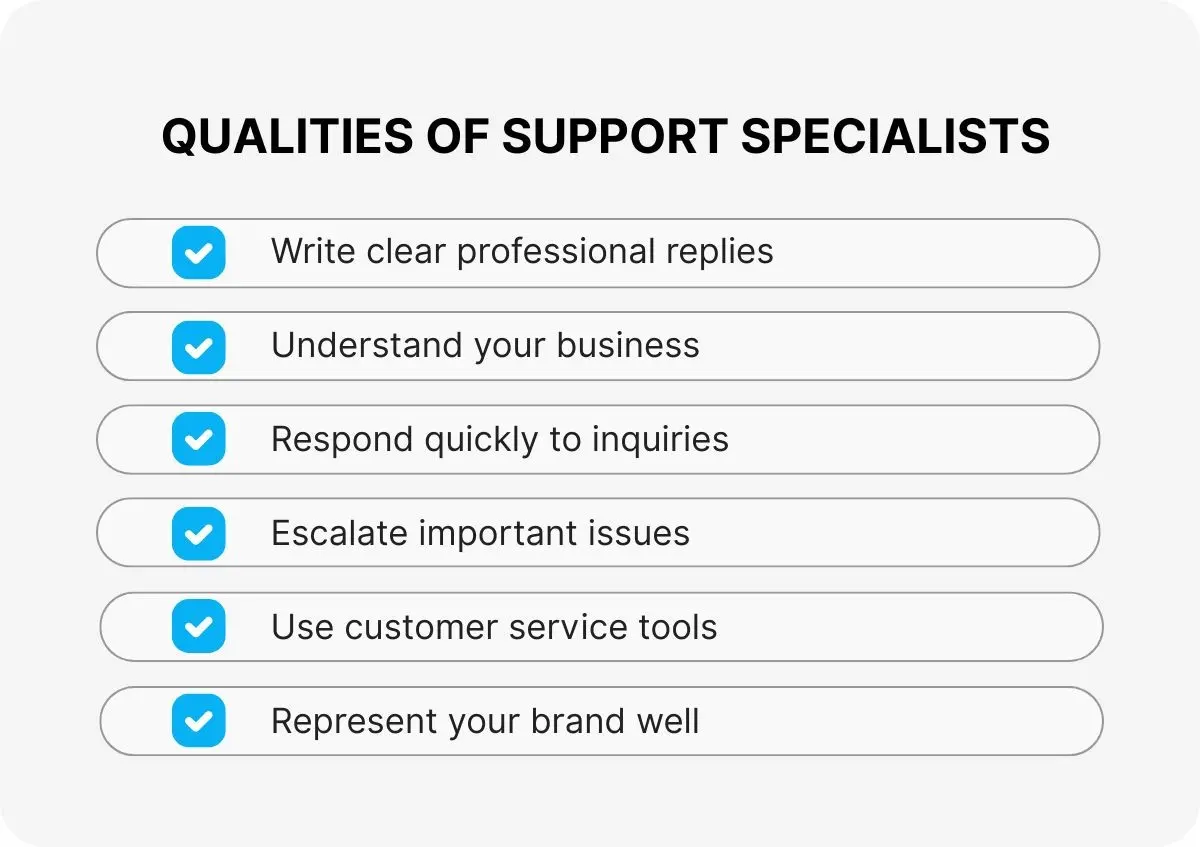
Message management VAs are trained in customer service, communication skills, CRM tools, and matching your brand’s tone. At Stealth Agents, assistants with over 10 years of experience are trained in prioritizing messages, handling escalations, managing multiple channels, and using industry-specific terms to ensure professional and consistent replies.
Which communication channels can message management support cover?
Message management support can handle email, live chat, social media (like Facebook, Instagram, and Twitter), WhatsApp, SMS, website contact forms, and customer portals. Advanced providers can manage all these platforms at the same time, keeping responses consistent and organized.
How quickly can message management support be set up for my business?
It usually takes 5-10 business days to set up message management support. This includes a consultation, choosing the right VA, connecting systems, training on your brand, and setting up workflows. Companies like Stealth Agents often get everything ready within a week using pre-trained assistants and clear processes.
What security measures protect customer data in message management?
Good providers use strong security measures like encrypted communication, secure access, GDPR compliance, and regular security checks. Stealth Agents also uses tools like screenshot monitoring, activity tracking, and strict data handling rules to keep customer information safe and follow privacy laws.
Can message management VAs work in different time zones for 24/7 coverage?
Yes, many message management services offer 24/7 support by placing VAs in different time zones. This ensures your messages are monitored and answered around the clock, which is helpful for businesses with global customers or those needing after-hours support.
How do message management VAs handle urgent or complex inquiries?
Experienced VAs follow clear rules to handle urgent or tricky messages. They are trained to spot important issues, prioritize them, and pass them to the right team members if needed. They also keep detailed notes to ensure the customer gets the help they need quickly and smoothly.
What reporting and analytics come with message management services?
These services usually include reports on response times, message counts, resolution rates, customer satisfaction, and busy times. These reports help you see trends, improve workflows, and measure how well your communication is working. Reports are often shared weekly or monthly with tips for improvement.
Can message management support integrate with existing CRM systems?
Yes, most services can connect with popular CRM tools like Salesforce, HubSpot, and Pipedrive. This keeps customer data organized, allows personalized responses, and ensures smooth workflows. Be sure to check if the service works with your current systems before signing up.
What happens if my regular message management VA becomes unavailable?
Good providers have backup plans to keep things running. Stealth Agents, for example, offers free replacements and keeps detailed records of your processes, brand guidelines, and customer preferences. This allows a new assistant to step in and continue the work without any interruptions.