Summarize This Article With AI :

Executive assistants for CEO roles are vital for managing meetings, communication, and high-level priorities. Stealth Agents connects CEOs with expert executive assistants who help keep operations smooth and leadership focused.


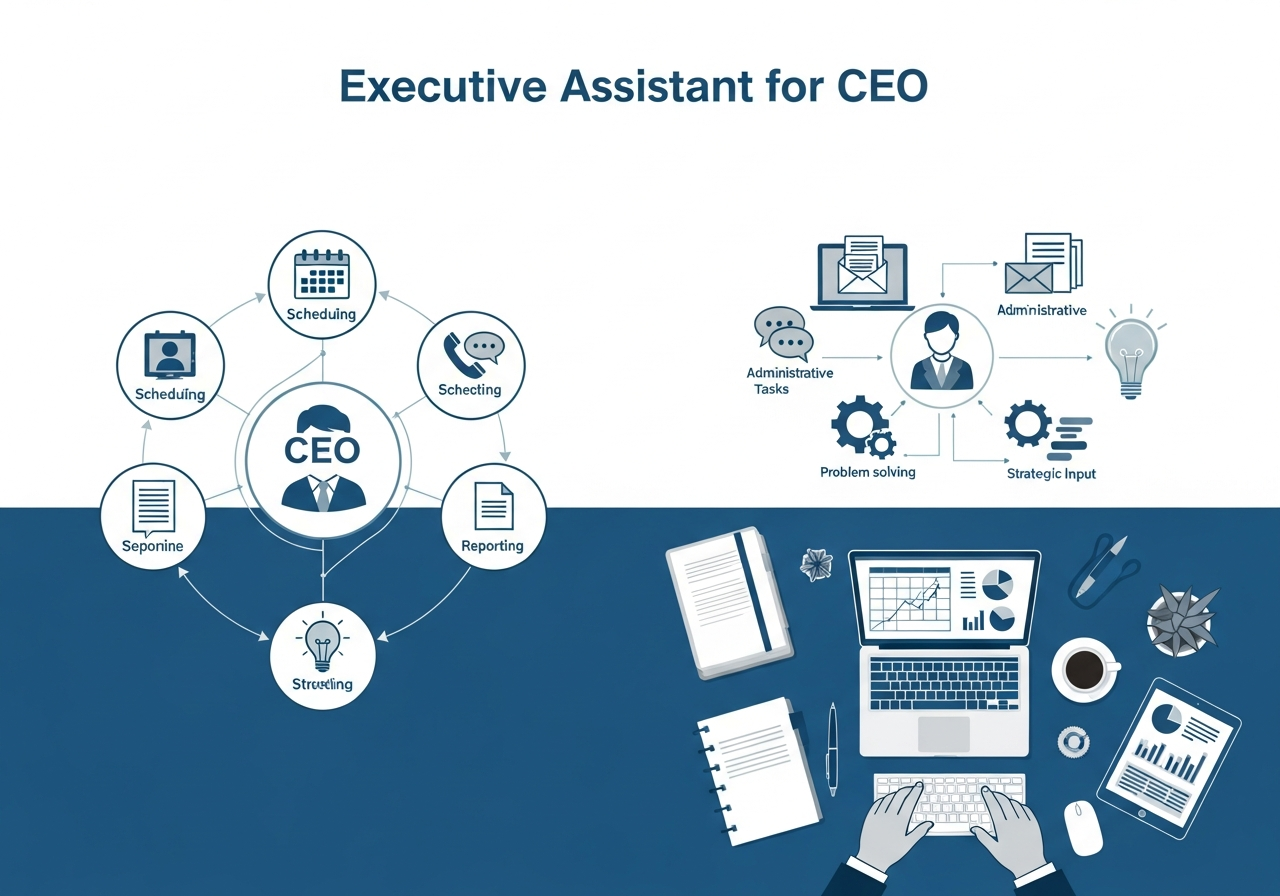
A CEO’s time is best spent on strategy, leadership, and decision-making not administrative tasks. An executive assistant for a CEO provides the skilled support needed to keep operations running smoothly, ensuring that priorities stay on track. Research shows that executives spend nearly 16 hours per week on tasks that could be delegated, cutting into valuable productivity.


Without a reliable assistant, scheduling conflicts, overflowing inboxes, and missed deadlines become a constant struggle. A virtual executive assistant from Stealth Agents efficiently manages calendars, meetings, travel plans, and high-level correspondence giving CEOs the freedom to focus on growth and leadership. Businesses that delegate effectively see higher efficiency and reduced stress in daily operations.


Stay focused on leading your company. Book a free consultation today and explore our virtual assistant pricing.


ceo assistant


Why Micromanaging Executive Assistants Backfires

Micromanaging an executive assistant can actually work against both the CEO and the assistant. When leaders hold too tightly to day-to-day tasks rather than trusting their EA’s expertise, it limits the assistant’s ability to take initiative and address issues proactively. Instead of lightening the CEO’s workload, the constant oversight creates unnecessary bottlenecks and saps the assistant’s motivation.


Not giving your EA the freedom to make decisions leads to stress, slowdowns, and missed opportunities for both parties. In the long run, this defeats the very purpose of hiring high-level support. A truly effective partnership comes from delegating with confidence, empowering your executive assistant to own responsibilities, so you can focus on driving your business forward.


Stay focused on leading your company. Book a free consultation today and explore our virtual assistant pricing.


assistant to the ceo


What Specific Skills Should You Look for When Hiring an Executive Assistant for a CEO?

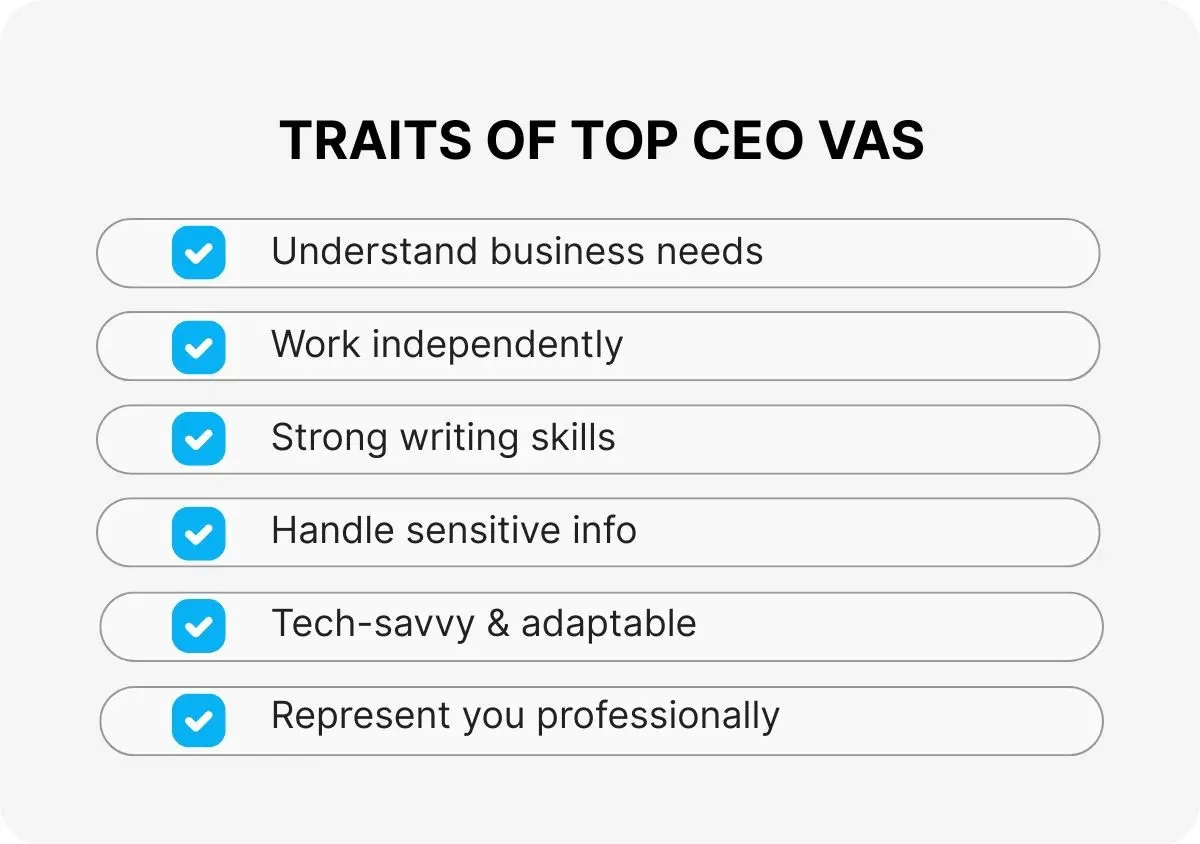
1. Exceptional Communication Skills

When hiring a Filipino senior executive assistant, exceptional communication skills should be a top priority.


The role requires regular interaction with high-level stakeholders, teams, and clients, making verbal and written communication key.


The executive assistant for the CEO must craft explicit, concise, and professional emails, memos, and reports, and ensure messages are delivered accurately.


They should also excel in interpreting the CEO’s communication style to streamline messaging consistency.


Listening is equally important, as they must absorb information quickly and relay it effectively.


An executive assistant with excellent communication abilities improves workflow and ensures efficiency in dynamic executive environments.


2. Strong Organizational and Time-Management Skills

An executive VA assistant for the CEO must exhibit exceptional organizational and time-management abilities.


CEOs often have packed schedules, overlapping deadlines, and last-minute changes, and their assistants must efficiently manage these tasks.


They should skillfully manage calendars, arrange meetings, and prioritize tasks while maintaining attention to detail.


Proficiency in using scheduling tools and project management platforms is an added asset, ensuring seamless task coordination.


When hiring a Filipino virtual executive assistant, choose a candidate who thrives under pressure and can maintain order in chaotic situations without missing deadlines.


A well-organized executive assistant helps CEOs focus on strategic goals without being bogged down by logistics.


3. High Level of Discretion and Confidentiality

Discretion and confidentiality are critical when hiring an executive assistant for the CEO.


Filipino executive assistants handle sensitive information daily, from financial reports to private business strategies.


The ideal candidate should be proven to maintain confidentiality, demonstrating absolute trustworthiness.


A breach of privacy can have wide-reaching consequences, so this skill cannot be underestimated.


Additionally, they should understand the nuances of discerning what information can be shared and with whom.


Experience in handling confidential material is often a deciding factor during the hiring process.


Selecting a candidate with a strong sense of ethics and professionalism safeguards the CEO and the company’s reputation.


4. Advanced Technological Proficiency

Technological proficiency is non-negotiable for an executive assistant for a CEO in today’s fast-paced business world.


They should be adept at using standard office software, such as Microsoft Office Suite, and digital tools like Slack, Zoom, and cloud-based applications.


Familiarity with emerging software trends and analytical tools can also enhance their performance.


The ability to troubleshoot technical issues independently ensures that operations remain uninterrupted.


When you hire an executive assistant, look for candidates with certifications or demonstrated experience in using technology effectively.


A tech-savvy assistant improves productivity and ensures rapid adaptability to evolving business needs.


5. Problem-Solving Skills and Proactivity

Problem-solving is essential for an executive assistant to the CEO, as unforeseen challenges often arise.


The assistant should approach problems calmly and develop practical solutions without constant guidance.


Proactivity is equally vital; an executive assistant who anticipates needs and plans ahead creates a smoother workflow for the CEO.


They should act quickly and efficiently when handling scheduling conflicts, addressing travel hiccups, or managing logistical concerns.


Previous examples of problem-solving in an executive assistant’s career provide insight into their capabilities.


Hiring an executive personal assistant with this skill ensures minimal disruptions, enabling the CEO to focus on critical decisions.


Common Challenges Executive Assistants to CEOs Face

While a skilled executive assistant can be a force multiplier for any CEO, the role comes with its unique set of hurdles.


Sustaining Energy Over the Long Run

The executive assistant’s workload isn’t just intense it’s relentless. Unlike short-term projects, supporting a CEO demands consistency and resilience over months and years. Many assistants find themselves at risk of burnout if they don’t pace themselves and establish healthy boundaries from the outset.


Demonstrating Value Amidst the Hustle

Executive assistants play a vital behind-the-scenes role, but it can sometimes feel thankless. The impact of their efforts isn’t always immediately visible or recognized. Even when JIRA boards are cleared or Slack messages are promptly answered, there’s often little fanfare requiring a strong internal sense of accomplishment.


Self-Motivation and Professional Validation

Since praise may not always be forthcoming, strong executive assistants must cultivate a sense of professional pride and self-validation. The best thrive on the knowledge that their organizational skills directly empower the CEO’s success even if their wins aren’t regularly highlighted in company newsletters.


Navigating Ambiguity and Complex Priorities

Supporting a CEO is rarely straightforward. Priorities can change in an instant, whether due to a sudden Microsoft Teams alert or a shift in the market. Executive assistants must be comfortable operating with incomplete information, adapting quickly, and ensuring nothing slips through the cracks despite sometimes ambiguous instructions.


Recognizing these common challenges is the first step in supporting executive assistants to perform and grow even as demands and expectations evolve.


assistant-ceo


How Executive Assistants Leverage Reflective Authority and Emotional Intelligence

Executive assistants in CEO roles operate in a unique position of influence, often acting as the gatekeeper and representative for their principal. While they carry formal authority to manage calendars, correspondence, and access to the CEO, their effectiveness hinges on a concept known as “reflective authority.”


Reflective authority isn’t about pushing decisions or throwing weight around; rather, it’s about using the trust and credibility earned from close collaboration with executives to facilitate outcomes diplomatically. An executive assistant with high emotional intelligence discerns when to assert boundaries and when to smooth the path for others, ensuring priorities are respected without creating unnecessary friction.


For instance, when multiple departments compete for the CEO’s attention, a skilled assistant doesn’t just enforce a schedule they carefully listen to stakeholders, assess urgency, and communicate with empathy. This tactful approach helps resolve conflicts and fosters a cooperative atmosphere. By reading the room, noticing nonverbal cues, and responding appropriately, they anticipate potential issues and mediate discreetly.


Ultimately, the best executive assistants blend their reflective authority with emotional intelligence, serving as an extension of the CEO’s leadership style. They help the organization run seamlessly while strengthening workplace relationships an invaluable asset in today’s complex corporate landscape.


assistant-to-ceo


Risks of Overstretching an Executive Assistant’s Responsibilities

Assigning an executive assistant too many roles such as business partner, scheduler, personal concierge, and project manager can be tempting, especially when they handle tasks so efficiently. However, stretching their responsibilities beyond reasonable limits can have significant downsides.


Increased Risk of Burnout

Constantly switching between high-level strategic duties and routine administrative tasks puts excessive pressure on any assistant. This overextension often leads to burnout, which not only affects their well-being, but also increases the likelihood of mistakes.


Compromised Performance

When an executive assistant is pulled in too many directions, their ability to maintain attention to detail and deliver top-notch results inevitably suffers. Important deadlines may be missed, errors can go unnoticed, and overall productivity can decline.


Diminished Value to the CEO

Instead of supporting the CEO effectively, an overstretched assistant becomes reactive rather than proactive. This transformation undermines the very purpose of hiring an executive assistant: to streamline operations and free up leadership bandwidth.


How to Avoid Overstretching:


  • Clearly define the scope of the executive assistant’s duties.
  • Prioritize tasks that align with the assistant’s core strengths.
  • Use support tools and technology platforms (like Asana or Trello) to manage workloads and delegate tasks appropriately.
  • Schedule regular check-ins to assess workload and well-being.


By respecting boundaries and strategically delegating, you preserve the effectiveness of the executive assistant and ultimately, support the CEO’s success.


executive-assistant-to-the-ceo


The Impact of Inadequate Onboarding on Executive Assistant Effectiveness

A comprehensive onboarding process is crucial for an executive assistant to the CEO to become fully effective.


Without proper onboarding, even the most experienced assistants can struggle to align with the CEO’s specific goals, working style, and company culture. Gaps in orientation may leave the assistant guessing about priorities, preferred communication methods, and important protocols.


This lack of clarity often results in slower ramp-up time, missed deadlines, and an underutilization of key skills. Instead of proactively supporting the CEO, the assistant might hesitate, unsure of boundaries or expectations.


By investing time in a thorough onboarding covering tools like Asana, Microsoft Teams, or Trello, as well as workflows and organizational nuances you empower your executive assistant to deliver the strategic support and seamless operations your leadership needs.


executive-assistant-ceo


Can a Virtual Executive Assistant Effectively Handle Sensitive or Confidential Information?

A virtual executive assistant can handle sensitive or confidential information using the right tools and processes.


Many professionals in executive assistant for CEO roles are adept at managing tasks that require discretion, such as organizing financial documents, reviewing legal contracts, or handling private communications.


Secure communication channels like encrypted email or file-sharing platforms protect information.


Hiring virtual executive assistants with experience in confidentiality agreements and data privacy policies adds an extra layer of security.


It is essential to evaluate their experience, particularly roles requiring high trust and detail-oriented practices.


Regular check-ins and an open line of communication help build a transparent working relationship.


Virtual executive assistants specializing in executive-level responsibilities exemplify the ability to act responsibly with confidential data, making them a reliable part of the team.


What level is an Executive Assistant Executive

An Executive Assistant to a CEO operates at a highly strategic and senior level, pivotal in supporting the organization’s top leadership. This role’s executive assistant job description emphasizes a blend of administrative expertise and strategic insight, ensuring the CEO can focus on leadership and critical decision-making.


Executive assistant duties in this capacity often include managing a complex schedule, planning high-level meetings, handling confidential communications, and overseeing special projects. The executive assistant’s responsibilities extend beyond typical administrative tasks, requiring a deep understanding of the company’s goals, priorities, and executive workflows.


As a CEO assistant, they act as a trusted advisor and liaison, bridging communication between the CEO and internal or external stakeholders. The executive assistant to the CEO is expected to exhibit exceptional organizational skills, initiative, and discretion and is often considered an extension of the executive they support. The executive role is highly influential and integral to the success and efficiency of the CEO and the organization.

executive assistant to ceo


How Can an Executive Assistant Improve CEO Productivity and Help Focus on Core Business Functions?

1. Managing the CEO’s Schedule

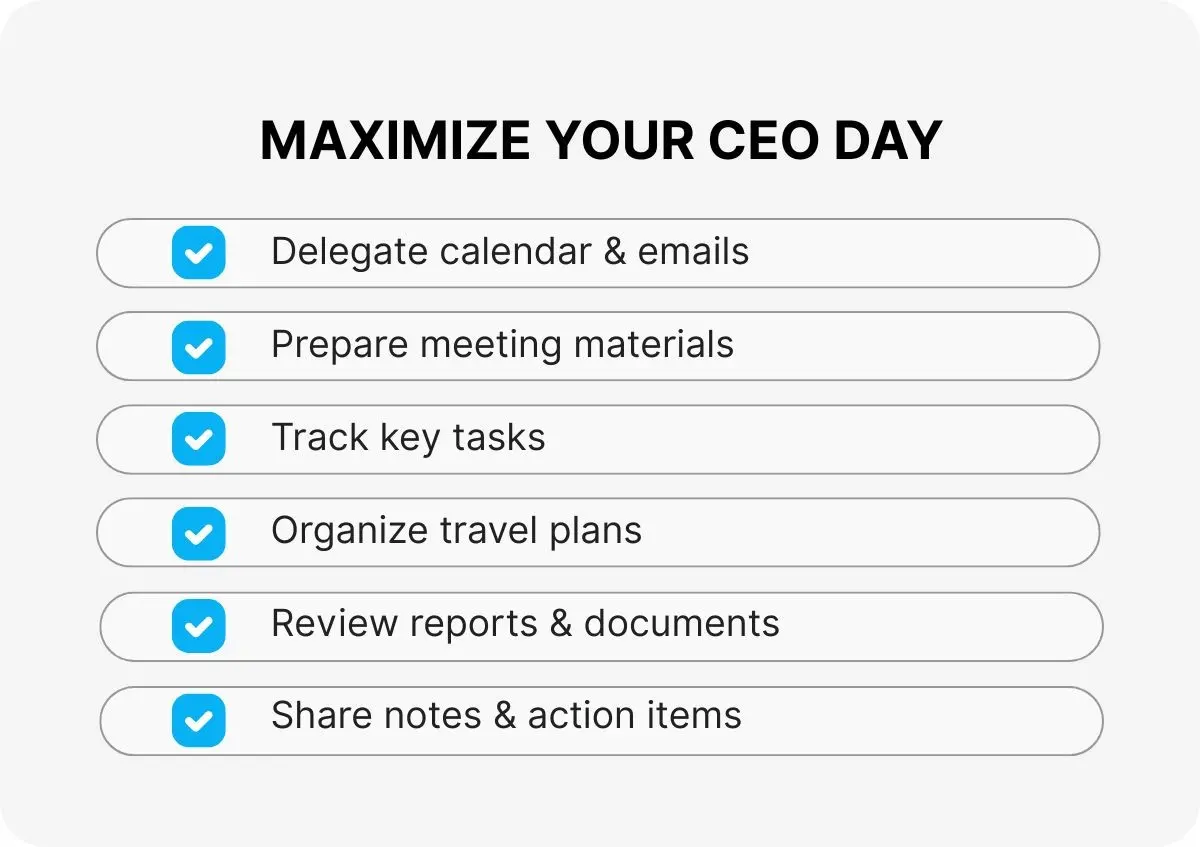
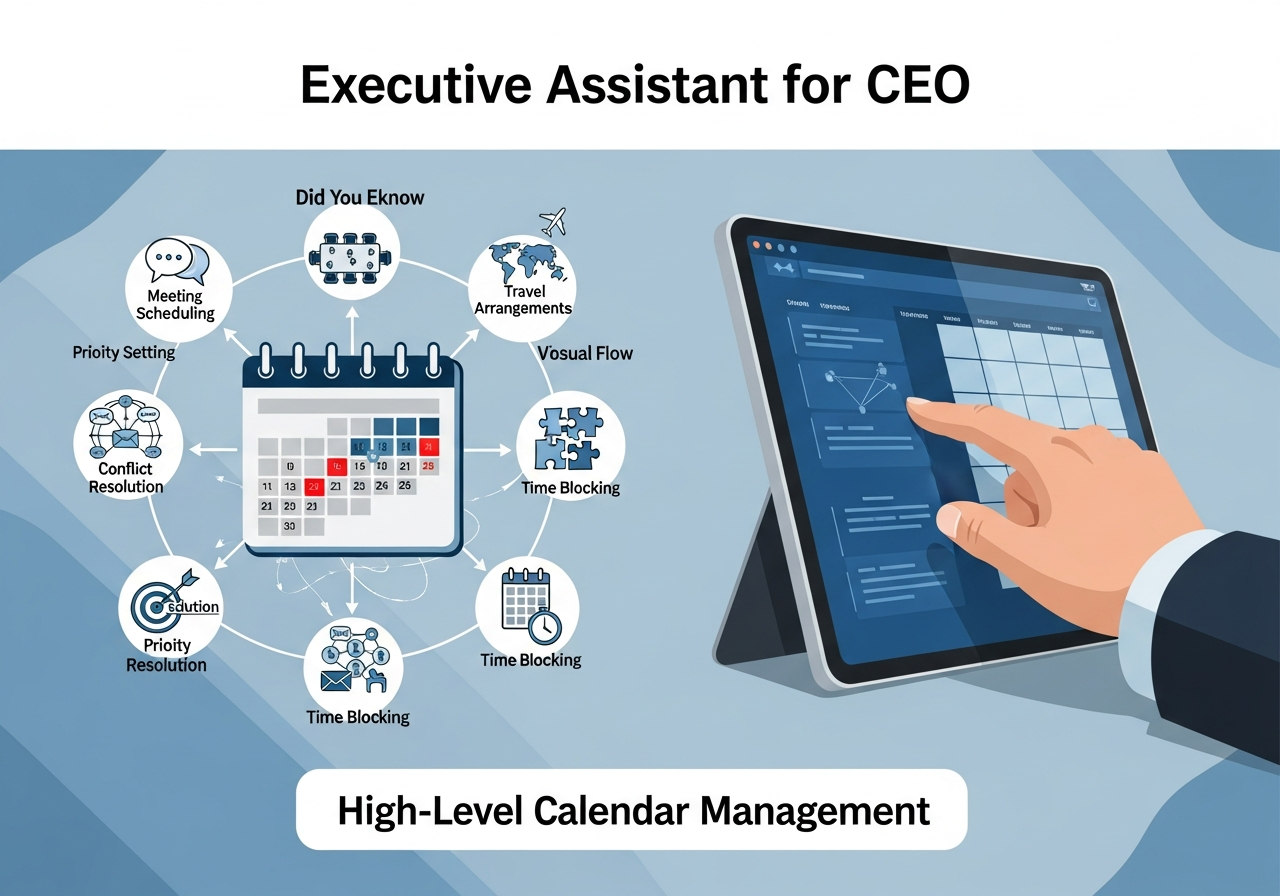
An Executive Assistant organizes the CEO’s calendar, prioritizes meetings, and sets time management boundaries.


This ensures the CEO spends time on high-value tasks instead of juggling appointments. By addressing conflicts and streamlining the day, they provide much-needed structure.


Tasks like booking meetings or arranging travel no longer waste valuable work hours.


With their support, CEOs gain clarity and focus on long-term strategies.


2. Handling Email Overload

Sorting through hundreds of emails daily can be a massive distraction.


An Executive Assistant filters and organizes messages, ensuring critical ones are seen first.


They respond to routine inquiries and delegate tasks when possible.


This creates a clutter-free inbox, making it easier for the CEO to focus on essential communication.


It’s a simple but effective way to regain hours every week.


3. Preparing for Meetings

Important meetings demand preparation, and that’s where an Executive Assistant is essential.


They compile agendas, gather key documents, and ensure all details are finalized beforehand.


Post-meeting, they follow up on action items, ensuring nothing is forgotten.


Their support allows the CEO to show up ready, informed, and confident.


The outcome? Meetings become more productive and impactful.


4. Acting as a Gatekeeper

Executive Assistants help protect the CEO’s time by managing calls, visitors, and unnecessary interruptions.


They screen requests and prioritize the ones that truly matter.


This gives the CEO the breathing room to focus on pressing business functions.


It’s a straightforward but highly impactful way to avoid distractions.


With fewer disruptions, productivity skyrockets.


5. Coordinating Projects and Deadlines

Juggling multiple projects and deadlines is a challenge for any CEO.


Executive Assistants step in to monitor progress, set deadlines, and maintain accountability within teams.


They track updates and provide reminders, keeping workflows smooth and projects on course.


This allows the CEO to focus on decision-making rather than micromanaging.


The result? More time for strategic initiatives and faster results.

6. Research and Report Preparation

When the CEO needs data, insights, or reports, an Executive Assistant delivers.


They gather information from reliable sources and summarize it into meaningful, actionable content.


This saves the CEO from getting bogged down in time-consuming research.


Decision-making becomes quicker and more effective with the correct details at hand.


This support empowers better business outcomes.


7. Managing Personal Tasks

From planning family travel to paying bills, Executive Assistants also handle personal responsibilities.


Offloading these tasks ensures the CEO’s personal life runs smoothly while reducing mental clutter.


This balance is essential for maintaining focus during work hours.


It also avoids unnecessary burnout and stress from managing both spheres simultaneously.


A clear mind creates a more productive leader.


8. Tracking Goals and Priorities

Executive Assistants keep the CEO aligned with their goals by tracking progress and milestones.


They remind the CEO of deadlines, upcoming commitments, and key priorities.


This ensures the CEO always has their eyes on the prize without feeling overwhelmed.


By keeping long-term objectives on track, they contribute to consistent business growth.


It’s a partnership that keeps the company moving forward.


9. Providing Professional Support

Whether drafting emails, creating presentations, or handling crises, an Executive Assistant offers hands-on assistance.


They serve as a partner who ensures nothing slips through the cracks.


Their attention to detail and professionalism reflect directly on the CEO’s effectiveness.


This level of support helps maintain a polished and productive image.


CEOs can focus their energy where needed most, knowing the details are handled.


10. Building Relationships and Networking

An Executive Assistant strengthens the CEO’s relationships by organizing networking opportunities and following up with key contacts.


They maintain communication with stakeholders, ensuring nothing falls through the cracks.


Scheduling lunch meetings, sending holiday greetings, or coordinating events becomes effortless under their guidance.


These strong connections can lead to massive opportunities and partnerships.


Networking gets done without pulling the CEO away from their core responsibilities.


ceo tasks


What is the Role of an Executive Assistant for a CEO, and How Can They Help Your Business Grow?

An executive assistant for the CEO plays a vital role in managing the daily functions that keep a business running smoothly while enabling growth.


Expertly handling scheduling, travel arrangements, and administrative coordination frees the CEO’s time to concentrate on strategic goals.


Their ability to prioritize tasks and maintain organized workflows ensures nothing important is overlooked.


Hiring an executive assistant with experience in executive coordination and leadership support can help improve decision-making processes and enhance stakeholder communication.


They often serve as a trusted gatekeeper, managing interactions to prevent unnecessary interruptions and fostering efficiency.


Utilizing their expertise with productivity tools and software, they maximize the effectiveness of meetings and projects.


A skilled executive assistant becomes integral in aligning operations with the CEO’s vision, ultimately contributing to the business’s scalability and success.


corporate-executive-assistant


Where Can You Find Experienced Executive Assistants, and How Do You Ensure They Fit Your Needs?

1. Leveraging Professional Staffing Agencies

Hiring experienced executive assistants often starts with professional staffing agencies.


These agencies connect businesses with top-tier talent, making them a valuable resource for finding an executive assistant for CEO roles.


Staffing firms vet candidates to ensure their qualifications align with high-level job requirements.


Agencies save time and effort by reviewing resumes, conducting interviews, and verifying professional references.


Collaborating with a staffing agency lets you focus on evaluating the top candidates from their curated list.


When hiring, clearly communicate your expectations and needs to pinpoint a candidate who aligns seamlessly with your workplace culture.


2. Searching on Online Job Platforms

Online job platforms are a great place to find skilled executive assistants.


Websites like LinkedIn, Indeed, and Glassdoor allow employers to post detailed job descriptions and connect with thousands of potential candidates.


To attract the right executive assistant for CEO roles, include keywords like “executive coordination,” “project management expertise,” and “administrative leadership” in your posting.


You can also use advanced filtering options to focus on candidates with relevant experiences and certifications.


Engage with applicants by reviewing their profiles, previous roles, and portfolio work.


Job platforms make hiring processes efficient by offering tools to shortlist and communicate with candidates directly.


3. Exploring Corporate Networking Events

Corporate networking events provide a unique opportunity to meet experienced professionals, including potential executive assistants.


These events attract individuals who are serious about career growth and often have exceptional skill sets.


When hiring an executive assistant for a CEO, attending these gatherings can help you assess candidates’ communication styles and professionalism firsthand.


Networking lets you gather references for potential hires and observe how they interact with other professionals.


Many event organizers share attendee information upon request, making it easier to follow up later.


This personal approach to hiring ensures you identify someone who aligns well with your company’s needs.


4. Utilizing Internal Company Talent

Sometimes, your organization already has the best executive assistant or CEO candidates.


Employees familiar with company processes and culture often transition smoothly into high-responsibility roles.


Conduct an internal search to identify administrative professionals with a track record of consistency and adaptability.


Promote the role within internal communication channels, such as newsletters or meetings, encouraging employees to apply or refer a colleague.


Internal hires often require less onboarding and are already invested in the company’s success.


A thoughtful internal hiring process reinforces organizational loyalty and ensures a professional relationship with the CEO.


5. Posting in Industry-Specific Job Boards

Industry-specific job boards cater to niche markets and are helpful when hiring for specialized positions.


For example, job boards focused on administrative professionals or executive support roles often attract candidates with polished resumes.


Craft a job description tailored to the skills needed to be an executive assistant for the CEO and post it on these platforms.


Include details about the role’s scope, such as administrative tasks, project coordination, and confidentiality requirements.


Industry job boards also allow you to highlight competitive benefits that may entice high-quality applicants.


Targeting job boards specific to your needs streamlines the hiring process, drawing relevant applications.


6. Consulting Peer Recommendations

Peers and professional contacts in your industry can be an excellent source of recommendations when hiring an executive assistant.


Often, colleagues know exceptional professionals seek new opportunities or are open to change.


Reach out through professional networks to inquire about experienced candidates who could excel as an executive assistant for the CEO.


Personal recommendations are usually trustworthy and provide insight into the candidate’s work ethic and character.


When considering a referral, ensure their qualifications align with your specific needs by conducting your evaluation.


This method combines efficiency with an added layer of credibility during the hiring process.


7. Partnering with Universities and Alumni Networks

Partnerships with universities and alumni networks provide access to skilled professionals looking for career advancement.


Many universities host career fairs where students and alumni showcase their qualifications.


Explore these events to find individuals with administrative expertise and leadership capabilities.


Additionally, alumni networks often have job boards or directories where you can post openings for an executive assistant for a CEO.


Some programs even allow you to connect directly with recent graduates with administrative experience eager to enhance their careers.


Partnering with educational institutions extends your reach and uncovers untapped talent pools for hiring.


8. Conducting a Thorough Interview Process

An effective interview process ensures a new hire fits your needs.


When hiring an executive assistant for the CEO, create interview scenarios that mimic real-life tasks, such as scheduling or drafting important correspondence.


Assessing candidates through practical tests provides insight into their competency and problem-solving skills.


Additionally, in-depth conversations can reveal how well the candidate aligns with your organization’s culture and future goals.


Provide clear expectations about the position to gauge the candidate’s enthusiasm and flexibility.


Taking time to evaluate candidates thoroughly ensures that your final hire is the best match for your executive team’s objectives.


Frequently Asked Questions

How does an executive assistant for a CEO differ from other administrative roles?

An executive assistant for a CEO operates at a strategic level, managing complex schedules, confidential communications, and special projects. Unlike standard administrative roles, they often act as a trusted advisor, requiring a deep understanding of the company’s goals to provide high-level support.


What tools are essential for an executive assistant to a CEO?

Key tools include project management software like Asana or Trello, communication platforms like Slack or Microsoft Teams, and scheduling tools such as Google Calendar. These tools streamline tasks, enhance communication, and ensure efficient time management.


How can an executive assistant help in crisis management for a CEO?

They coordinate communication, organize emergency meetings, and relay vital information promptly. By prioritizing urgent matters and managing logistics, they enable the CEO to focus on strategic decision-making during critical times.


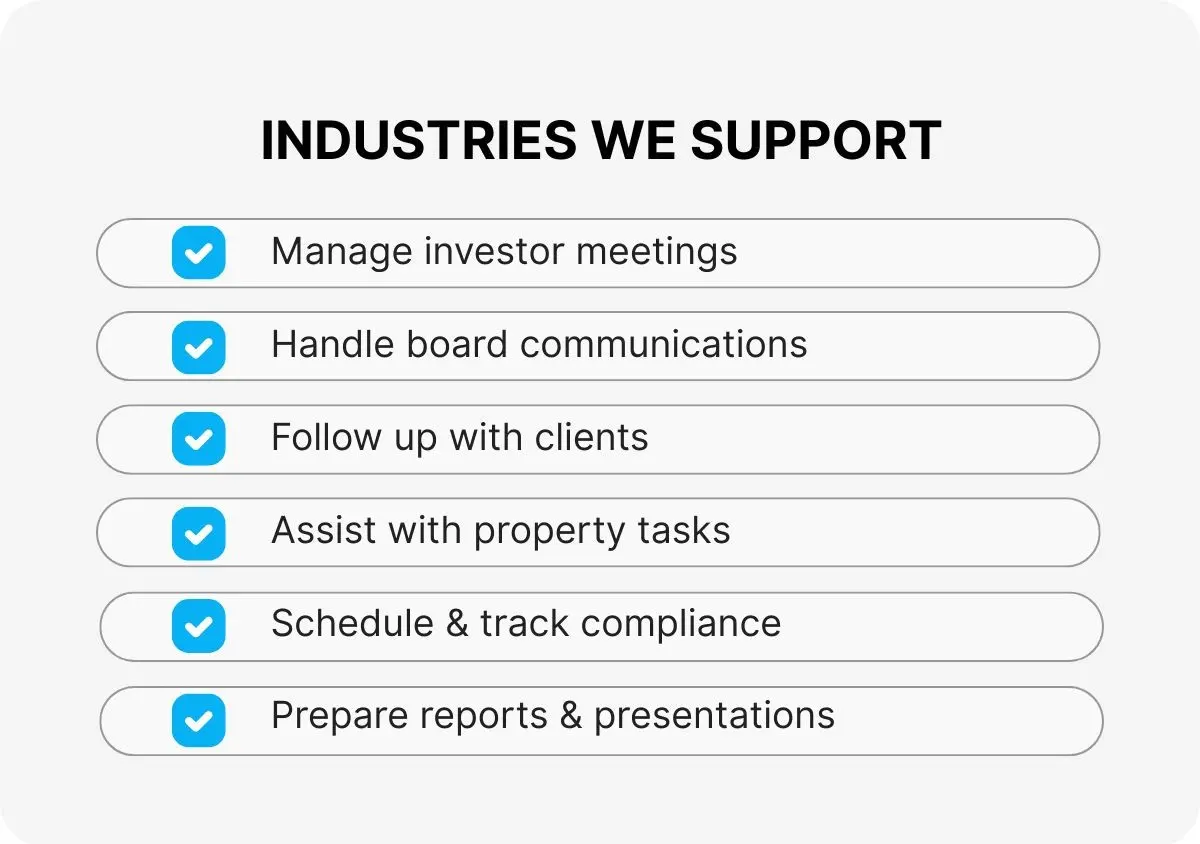
What industries benefit most from hiring an executive assistant for a CEO?

Industries like tech, finance, healthcare, and legal sectors benefit significantly. These fields often involve managing complex schedules, high-level correspondence, and confidential information, making an executive assistant’s expertise invaluable.


How can an executive assistant for a CEO enhance team collaboration?

They organize meetings, facilitate interdepartmental communication, and ensure alignment with the CEO’s strategic goals. Acting as a central point of contact, they foster seamless coordination and a collaborative environment.


What certifications or training should an executive assistant for a CEO pursue?

Certifications like Certified Administrative Professional (CAP), Project Management Professional (PMP), and courses in executive leadership or business administration enhance skills in project management, strategic planning, and communication.


How can an executive assistant support a CEO in maintaining work-life balance?

By managing personal schedules, travel arrangements, and family commitments, they offload personal tasks, allowing the CEO to focus on professional responsibilities while ensuring personal time is respected and balanced.


What are the best practices for onboarding a new executive assistant for a CEO?

Provide a comprehensive orientation on company culture, goals, and executive workflows. Clear communication of expectations, regular feedback, and training on tools and platforms ensure the assistant is well-prepared to support the CEO effectively.


How do executive assistants contribute to a CEO’s strategic planning?

They gather and analyze data, prepare reports, and coordinate meetings. Their organizational skills and insights support decision-making processes, equipping the CEO with the information needed to develop and implement strategic initiatives.


What are common challenges faced by executive assistants to CEOs, and how can they overcome them?

Challenges include managing high-pressure environments, handling sensitive information, and adapting to changing priorities. Strong organizational skills, continuous professional development, and leveraging technology help them overcome these challenges and enhance efficiency.


Takeaways

An executive assistant for the CEO is more than just a support role; they are essential for managing the intricate details that keep an organization running seamlessly.


Whether hiring an in-house professional or considering a virtual assistant, the right fit can free up valuable time for CEOs to focus on leadership and growth.


Virtual assistants have become increasingly popular because they are flexible and can handle various executive-level tasks remotely, making them a cost-efficient option for businesses.


If you’re looking for a reliable partner to help you find the perfect assistant, Stealth Agents offers comprehensive services tailored to your needs.


They provide skilled professionals who can adapt to your requirements, ensuring a smooth transition into a productive working relationship.


To explore your options, call Stealth Agents and book a free discussion of your preferences and pricing plans.


With the right executive assistant by your side, you’ll be better equipped to tackle the challenges of modern business while staying focused on what truly matters.


personal assistant ceo


Summarize This Article With AI :

Table of Contents

Receive Virtual Assistants insights delivered weekly
Hire Top 1% Virtual Assistants
Hire 10+ Year Experienced Virtual Assistants
  • Hire Full Time Executive Assistants
  • 160 Working Hours Per Month
  • Includes Fully Dedicated Account Manager
  • Cloud Management + Mobile App
  • Industry Specific To Your Needs
  • Stealth Agent’s 100% Next Best Hire Guarantee
  • All Assistants Have 10+ Years Of Experience
  • 100% Money Back Guarantee If We Don’t Bring You The Next Best Hire In Your Company