
Virtual Operations Assistant – Data Entry Support

Virtual Operations Assistant - Data Entry Delegation, Hire Us
Summarize This Article With AI :

Managing data entry tasks without the dedicated support of a reliable virtual operations assistant can be one of the biggest drains on your valuable time and resources.


These repetitive and monotonous activities may seem straightforward, but they can quickly pile up, distracting you from strategic priorities that drive business growth.


When overloaded with these tasks, it’s easy to feel overwhelmed, and productivity starts to suffer, leaving little room to pursue innovation and meaningful progress.


The frustration of dealing with constant data-related responsibilities can also impact your work quality and lead to costly mistakes.


This is precisely where a virtual operations assistant can transform how you work.


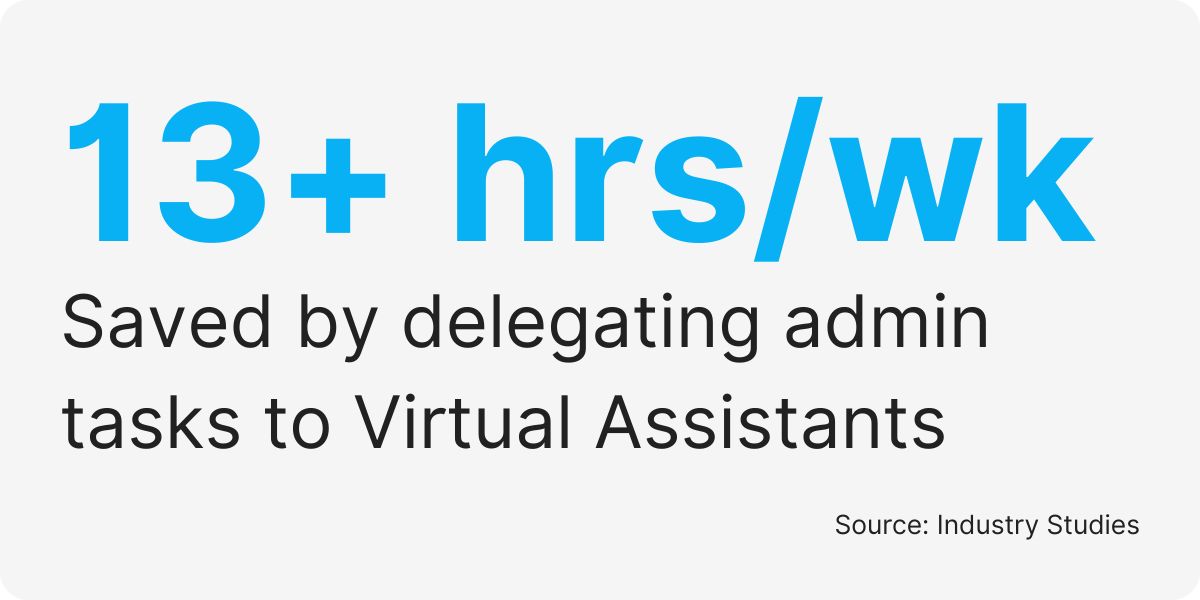
By delegating data entry duties to skilled professionals, you can save hours every week, minimize errors, and ensure smooth, accurate operations.


Stealth Agents, a leading provider of outsourcing services, offers dependable virtual assistants at competitive virtual assistant pricing tailored to your needs.


With the proper support, you can reclaim your energy, refocus on your core goals, and elevate your business efficiency to new heights.


How an Operations Virtual Assistant Contributes to Business Success

An operations virtual assistant is more than just an extra set of hands—they’re your backstage pass to smoother, more effective business management.


By stepping in to oversee daily workflows, these professionals keep your company’s engine running, ensuring operational hiccups are dealt with before you even notice them.


Here’s how they make a difference:

  • Streamlining Processes: Operations virtual assistants constantly review and refine procedures, helping you eliminate inefficiencies and keep things moving forward. Think of them as process whisperers who find faster, smarter ways to get things done.


  • Maximizing Productivity: With routine tasks and project coordination handled, you and your team are free to tackle strategic initiatives and big-picture planning. This delegation isn’t just a time-saver—it’s a productivity multiplier.


  • Budget-Conscious Efficiency: Virtual assistants help you keep projects within budget and resources balanced by monitoring expenditures and identifying opportunities to trim unnecessary costs.


  • Adopting New Solutions: The best virtual assistants monitor emerging tools and technologies, from project management platforms like Asana and Trello to process automation apps like Zapier. They bring these innovations to your attention, positioning your business on the cutting edge.


  • Ensuring Business Continuity: Whether it’s documenting standard operating procedures or acting as your steady hand during times of change, an operations assistant helps future-proof your business.


Budget-Friendly Salary Negotiations Made Simple

One of the hidden perks of hiring a virtual operations assistant on a contractual basis is the control it gives you over your budget from day one.


Platforms like Upwork, Freelancer, and Fiverr make it effortless to outline your compensation terms upfront, filtering in only those assistants who feel comfortable working within your price range. This transparency paves the way for smoother salary discussions, ensuring everyone’s on the same page before the first task even begins.


Even better, you’re not locked into the hefty costs of a full-time hire. Instead, you can negotiate pay rates that reflect the actual workload—whether it’s a few hours a week or large-scale, short-term projects. This pay-as-you-go approach means no worrying about benefits, overtime, or the added expenses that come with permanent staff.


In short, contractual hiring allows you to get exactly what you need, when you need it, without letting salary negotiations spiral out of control or eat into your operating budget.


How an Operations Virtual Assistant Contributes to Business Success

An operations virtual assistant is more than just an extra set of hands—they’re your backstage pass to smoother, more effective business management.


By stepping in to oversee daily workflows, these professionals keep your company’s engine running, ensuring operational hiccups are dealt with before you even notice them.


Here’s how they make a difference:

  • Streamlining Processes: Operations virtual assistants constantly review and refine procedures, helping you eliminate inefficiencies and keep things moving forward. Think of them as process whisperers who find faster, smarter ways to get things done.


  • Maximizing Productivity: With routine tasks and project coordination handled, you and your team are free to tackle strategic initiatives and big-picture planning. This delegation isn’t just a time-saver—it’s a productivity multiplier.


  • Budget-Conscious Efficiency: Virtual assistants help you keep projects within budget and resources balanced by monitoring expenditures and identifying opportunities to trim unnecessary costs.


  • Adopting New Solutions: The best virtual assistants monitor emerging tools and technologies, from project management platforms like Asana and Trello to process automation apps like Zapier. They bring these innovations to your attention, positioning your business on the cutting edge.


  • Ensuring Business Continuity: Whether it’s documenting standard operating procedures or acting as your steady hand during times of change, an operations assistant helps future-proof your business.


Budget-Friendly Salary Negotiations Made Simple

One of the hidden perks of hiring a virtual operations assistant on a contractual basis is the control it gives you over your budget from day one.


Platforms like Upwork, Freelancer, and Fiverr make it effortless to outline your compensation terms upfront, filtering in only those assistants who feel comfortable working within your price range. This transparency paves the way for smoother salary discussions, ensuring everyone’s on the same page before the first task even begins.


Even better, you’re not locked into the hefty costs of a full-time hire. Instead, you can negotiate pay rates that reflect the actual workload—whether it’s a few hours a week or large-scale, short-term projects.


This pay-as-you-go approach means you won’t have to worry about benefits, overtime, or the added expenses that come with permanent staff.


In short, contractual hiring allows you to get exactly what you need, when you need it, without letting salary negotiations spiral out of control or eat into your operating budget.


What Expertise Do Virtual Operations Assistants Bring to the Table?

Virtual operations assistants aren’t just data entry pros—they’re experienced multitaskers who thrive in a fast-paced, ever-changing business environment.


Their expertise typically includes:

  • In-depth familiarity with business processes and project management tools like Asana, Trello, and Monday.com.


  • Hands-on experience working across diverse industries, so they can quickly adapt to unique business needs and workflows.


  • A strong command of systems and software for organizing, tracking, and analyzing data—think Google Workspace, Microsoft Office Suite, Salesforce, and more.


  • Problem-solving skills for streamlining operations, troubleshooting bottlenecks, and spotting opportunities for greater efficiency.


  • A keen eye for detail and accuracy, ensuring precise record-keeping and documentation.


What Are the Different Types of Operations Virtual Assistants?

Just like every business is unique, virtual operations assistants come in a variety of specialties to suit diverse operational needs.


Here’s a closer look at some of the most common types you might encounter:


  • Administrative Virtual Assistants

These professionals are the Swiss Army knives of the office world. They handle everything from managing calendars and booking appointments to streamlining email inboxes, preparing reports, and taking care of essential paperwork. Many also pitch in with customer service or assist in managing company social media profiles.


  • Bookkeeping Virtual Assistants

For businesses that want their finances to be as neat as a pin, bookkeeping VAs keep track of expenses, process invoices, and reconcile accounts. They offer reliable support for finance teams—think of them as your remote financial backbone—helping to minimize errors and keep cash flow steady.


  • Social Media Virtual Assistants

If you’re aiming to stay visible in the digital world, a social media VA manages your posts, crafts content calendars for holidays or product launches, and engages with your audience. They keep tabs on what content drives the most buzz and sales, ensuring your online presence is always on point.


  • Real Estate Virtual Assistants

In the bustling world of real estate, these assistants manage listings, organize property documents, schedule appointments, and follow up with potential buyers. They’re experts at coordinating site visits and harnessing platforms like Zillow or Realtor.com to help agents expand their reach and close more deals.


  • E-commerce and Shopping Virtual Assistants

Smooth shopping experiences aren’t just for customers—e-commerce VAs keep your online storefront running like clockwork. They monitor inventory, track orders (even keeping tabs on abandoned carts), and assist in product listings so nothing falls through the cracks, whether you sell on Shopify, Amazon, or Etsy.


How a Virtual Operations Assistant Boosts Efficiency and Profitability

Bringing a virtual operations assistant into your workflow isn’t just about offloading tasks—it’s about unlocking greater business potential. These professionals act as the engine room of your daily operations, keeping the machine humming while you steer toward growth.


It’s not just their technical skills that make the difference. The very best virtual operations assistants are organized, reliable, and genuinely invested in your success.


Choosing someone with integrity and a strong work ethic ensures your sensitive data and procedures are handled with care—think of it as hiring the Marie Kondo of your digital world.


To make the most of this partnership:


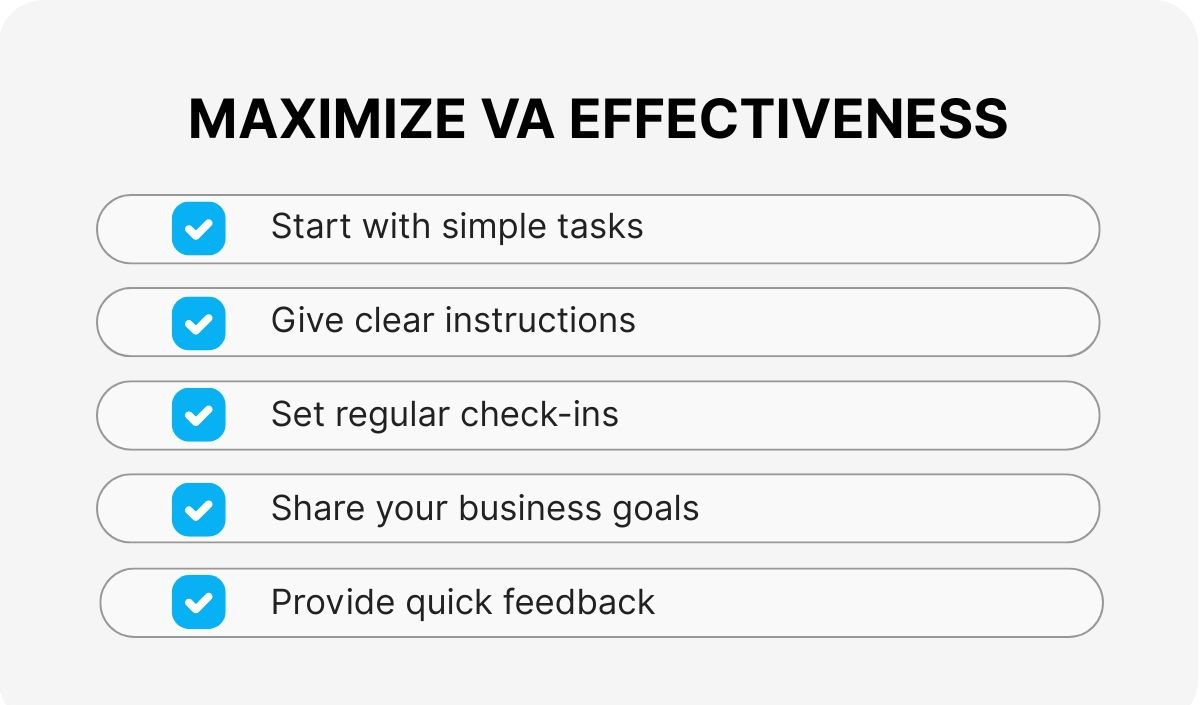
  • Be clear about your expectations.


  • Outline your goals and budget transparently.


  • Establish open communication channels for seamless collaboration.


What Expertise Do Virtual Operations Assistants Bring to the Table?

Virtual operations assistants aren’t just data entry pros—they’re experienced multitaskers who thrive in a fast-paced, ever-changing business environment.


Their expertise typically includes:

  • In-depth familiarity with business processes and project management tools like Asana, Trello, and Monday.com.


  • Hands-on experience working across diverse industries, so they can quickly adapt to unique business needs and workflows.


  • A strong command of systems and software for organizing, tracking, and analyzing data—think Google Workspace, Microsoft Office Suite, Salesforce, and more.


  • Problem-solving skills for streamlining operations, troubleshooting bottlenecks, and spotting opportunities for greater efficiency.


  • A keen eye for detail and accuracy, ensuring precise record-keeping and documentation.


What Are the Different Types of Operations Virtual Assistants?

Just like every business is unique, virtual operations assistants come in a variety of specialties to suit diverse operational needs.


Here’s a closer look at some of the most common types you might encounter:


  • Administrative Virtual Assistants

These professionals are the Swiss Army knives of the office world. They handle everything from managing calendars and booking appointments to streamlining email inboxes, preparing reports, and taking care of essential paperwork. Many also pitch in with customer service or assist in managing company social media profiles.


  • Bookkeeping Virtual Assistants

For businesses that want their finances to be as neat as a pin, bookkeeping VAs keep track of expenses, process invoices, and reconcile accounts. They offer reliable support for finance teams—think of them as your remote financial backbone—helping to minimize errors and keep cash flow steady.


  • Social Media Virtual Assistants

If you’re aiming to stay visible in the digital world, a social media VA manages your posts, crafts content calendars for holidays or product launches, and engages with your audience. They keep tabs on what content drives the most buzz and sales, ensuring your online presence is always on point.


  • Real Estate Virtual Assistants

In the bustling world of real estate, these assistants manage listings, organize property documents, schedule appointments, and follow up with potential buyers. They’re experts at coordinating site visits and harnessing platforms like Zillow or Realtor.com to help agents expand their reach and close more deals.


  • E-commerce and Shopping Virtual Assistants

Smooth shopping experiences aren’t just for customers—e-commerce VAs keep your online storefront running like clockwork. They monitor inventory, track orders (even keeping tabs on abandoned carts), and assist in product listings so nothing falls through the cracks, whether you sell on Shopify, Amazon, or Etsy.


What Is A Virtual Operations Assistant, And How Can They Help With Data Entry Tasks?

A virtual operations assistant is a professional who offers remote support for managing various administrative and operational tasks.


One crucial role they can take is handling data entry tasks accurately and efficiently.


By hiring a content operations executive assistant, businesses can ensure that crucial information is organized and up-to-date without additional in-house staff.


An operations virtual assistant can work on compiling, formatting, and inputting data into systems, saving valuable time and effort.


For companies looking to grow, hiring a virtual operations manager or virtual operations assistant manager can provide an extra layer of coordination and management for these tasks.


This support helps streamline workflow while maintaining attention to detail when handling sensitive information.


With the flexibility to tackle routine data entry, executive assistants for directors of operations also allow businesses to focus on larger priorities.


Hiring such professionals is an effective way to combine affordability with skilled assistance.


How Does Contractual Hiring Provide Flexible Work Arrangements?

One of the great advantages of contractual hiring is the built-in flexibility it offers for both businesses and operations support staff.


Instead of maintaining a fixed, full-time team for every operational need, you can bring in virtual assistants on demand for particular projects or peak periods—think of it like expanding your workforce just when a major product launch or busy season hits and scaling back once the dust settles.


This adaptable approach means you’re not locked into long-term commitments for short-term requirements. Need a data migration specialist for a one-off software switch? Or a detail-oriented organizer to keep things running smoothly during quarterly reporting marathons? Contractual hiring lets you adjust resources to fit the task at hand, so you’re never overstaffed or understaffed.


It also opens the door to a pool of specialized talent. By hiring on a project-by-project basis, you gain access to professionals with precisely the expertise you need—without the overhead of onboarding permanent employees. This level of agility is essential for today’s fast-paced, ever-changing business environment.


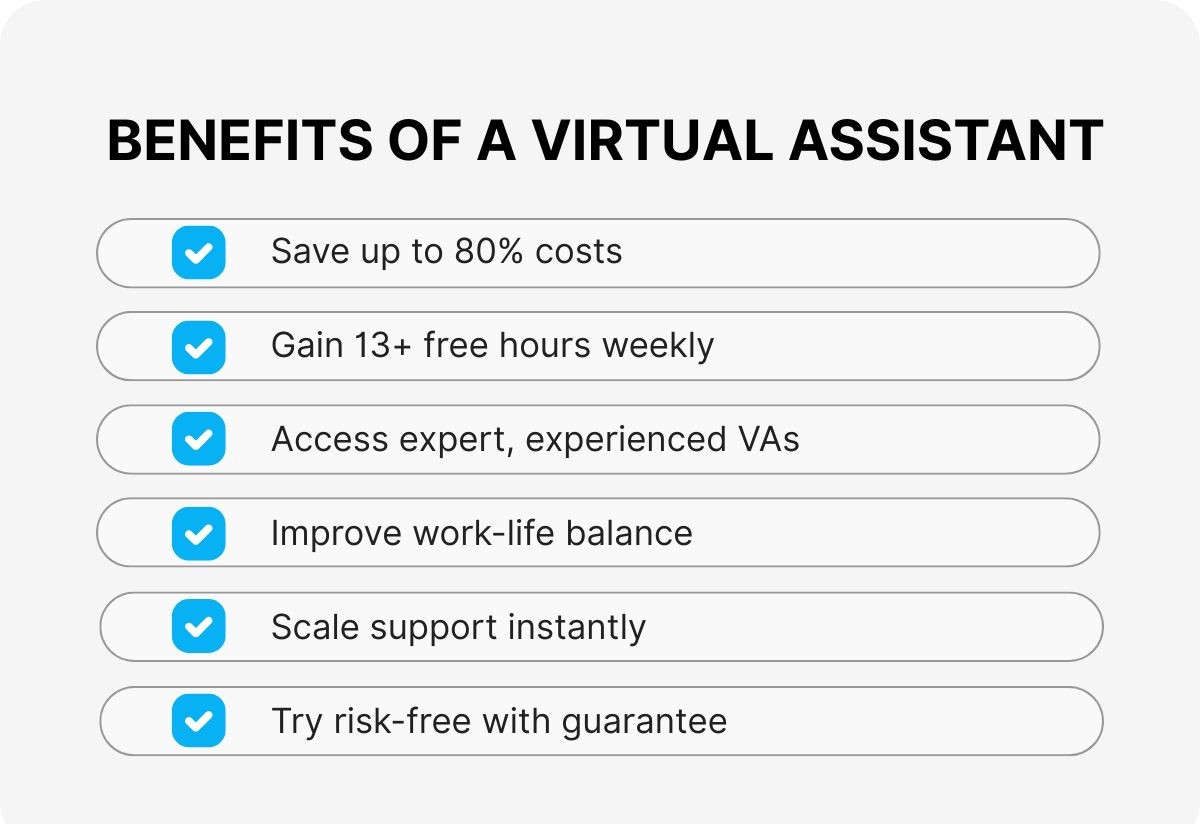
Hiring such professionals is an effective way to combine affordability with skilled assistance. By working remotely, operations virtual assistants eliminate the need for additional office space, furniture, and utilities—cutting down overhead costs without sacrificing quality. This arrangement allows businesses to direct savings toward growth initiatives, marketing, or other strategic investments.


Remote VAs seamlessly handle a diverse range of tasks from their own locations, meaning you can delegate work without worrying about the logistics of an in-person team. Not only does this save on expenses like rent and travel, but it also gives you access to specialized skills when you need them, all while keeping your bottom line healthy.


How Do Virtual Assistants Enhance Workflow and Support Scalability?

Virtual assistants play a vital role in improving workflow efficiency and enabling scalability for growing businesses.


By delegating repetitive administrative tasks—like data entry, scheduling, and reporting—to a skilled remote professional, teams can redirect their energy to more strategic initiatives.


This shift not only reduces bottlenecks but also helps maintain better organization as your operations expand.


Key ways virtual assistants contribute include:

  • Streamlining processes: Virtual assistants standardize and automate recurring tasks, ensuring consistency and freeing up staff bandwidth.


  • Adapting to business needs: As organizations grow, virtual assistants can quickly scale support up or down, providing flexibility without the need for permanent hires.


  • Boosting productivity: By covering routine duties, they allow leadership and core team members to focus on driving business growth.


Types of Virtual Assistants Available for Businesses

Beyond operations and data entry, businesses today can benefit from a wide range of virtual assistant specialties to meet their diverse operational needs.


Blog and Content Virtual Assistants

Need help managing your blog or producing content at scale? Virtual assistants who specialize in blogging and content can assist with everything from setting up and securing your website to drafting posts, editing articles, and ensuring your blog remains active and engaging. Many even handle the scheduling of social media posts and help repurpose content for different channels.


Customer Service Virtual Assistants

Customer satisfaction remains key, so customer service VAs step in to manage customer inquiries, resolve issues, and maintain positive relationships. Whether it’s answering emails, chatting with clients, making phone calls, or processing refunds, they ensure customers always have support—even outside traditional business hours.


IT and Computer Virtual Assistants

For technical support, computer virtual assistants can tackle day-to-day IT operations. These pros can troubleshoot system errors, handle email setup, strengthen your network security, and keep essential tech running smoothly. They’re often adept at using tools from Microsoft, Cisco, and Apple to keep disruptions at bay.


Data Entry Virtual Assistants

Accuracy and organization are the bread and butter here. Data entry specialists help input data, transcribe meeting audio, update databases, and keep online calendars current. Their attention to detail saves time and reduces errors, so your business stays organized and responsive.


Graphic Design and Multimedia Virtual Assistants

From branding to campaign execution, graphic design virtual assistants craft digital assets that resonate. Whether you need a new logo, engaging social media graphics, or brochures crafted in Adobe Photoshop or InDesign, they bring creative flair alongside technical ability. Added value often includes basic video editing and website content updates to keep your brand looking sharp.


Choosing the right mix of virtual assistant expertise empowers businesses of any size to meet challenges head-on—without the hassle or cost of extra full-time staff.


Why Tapping Into a Global Talent Pool Makes Sense for Operations Virtual Assistants

Expanding your hiring horizon beyond local borders comes with real perks—especially when seeking out operations virtual assistants.


Unmatched Access to Specialized Skills

By going global, businesses aren’t limited by what’s available in their zip code. Instead, they can search for talent who already excel in the exact areas they need—whether it’s mastering project management tools like Asana, wrangling spreadsheets with advanced Excel know-how, or navigating industry-specific platforms.


Diverse Experience That Elevates Your Operations

Virtual assistants from different regions often bring fresh perspectives and unique solutions for everyday business challenges. Many have worked with companies big and small, from New York startups to London consultancies, giving them a wide-ranging understanding of efficient workflows and problem-solving approaches.


Less Training, Quicker Results

Another advantage? Many global virtual assistants havebeen there, done that.Their prior experience means they’re ready to jump into your systems with minimal onboarding. As a result, businesses save time and money on lengthy training programs—letting teams stay focused on high-impact work. At the same time, the assistant handles the operations side without missing a beat.


In short: Expanding the search for operations virtual assistants to a global scale helps companies discover top-tier talent, unlock specialized expertise, and get things done faster—without stretching the budget.


How Online Recruitment Platforms Benefit Your Search for Operations Virtual Assistants

Using online recruitment platforms like Upwork, Indeed, or LinkedIn can significantly simplify the process of hiring a qualified virtual operations assistant.


These platforms allow you to:

  • Easily post job openings: Reach a wide audience and attract talent from around the world.


  • Browse detailed candidate profiles:  Filter by experience, specializations, and even language proficiency to find professionals who best fit your needs.


  • Access reviews and ratings:  See feedback from previous clients to gauge reliability and skill level.


What Is the Role of a Virtual Assistant Manager (VAM) in Daily Business Operations?

A virtual assistant manager, often referred to as a VAM, plays a pivotal role in ensuring the smooth running of day-to-day business operations. Acting as a remote overseer, a VAM takes responsibility for coordinating project timelines, delegating tasks to team members, and keeping workflows streamlined—even when business activities are spread across different locations or time zones.


With their expertise in organization and virtual collaboration, VAMs handle everything from monitoring progress on key assignments to troubleshooting operational hiccups before they escalate.


This level of oversight is particularly useful for businesses managing multiple remote staff members or juggling high volumes of administrative work.


Key responsibilities of a VAM can include:

  • Supervising daily administrative and operational processes


  • Assigning and tracking projects among virtual teams


  • Setting up systems for efficient communication and reporting


  • Ensuring deadlines are met and deliverables are up to standard


How Does Contractual Hiring Provide Flexible Work Arrangements?

One of the great advantages of contractual hiring is the built-in flexibility it offers for both businesses and operations support staff.

Instead of maintaining a fixed, full-time team for every operational need, you can hire virtual assistants on demand for particular projects or peak periods. Think of it as expanding your workforce just when a major product launch or busy season hits and scaling back once the dust settles.


This adaptable approach means you’re not locked into long-term commitments for short-term requirements. Need a data migration specialist for a one-off software switch? Or a detail-oriented organizer to keep things running smoothly during quarterly reporting marathons? Contractual hiring lets you adjust resources to fit the task at hand, so you’re never overstaffed or understaffed.


It also opens the door to a pool of specialized talent. By hiring on a project-by-project basis, you gain access to professionals with precisely the expertise you need—without the overhead of onboarding permanent employees. This level of agility is essential for today’s fast-paced, ever-changing business environment.


Hiring such professionals is an effective way to combine affordability with skilled assistance. By working remotely, operations virtual assistants eliminate the need for additional office space, furniture, and utilities—cutting down overhead costs without sacrificing quality. This arrangement allows businesses to direct savings toward growth initiatives, marketing, or other strategic investments.


Remote VAs seamlessly handle a diverse range of tasks from their own locations, meaning you can delegate work without worrying about the logistics of an in-person team. Not only does this save on expenses like rent and travel, but it also gives you access to specialized skills when you need them, all while keeping your bottom line healthy.


How Do Virtual Assistants Enhance Workflow and Support Scalability?

Virtual assistants play a vital role in improving workflow efficiency and enabling scalability for growing businesses.


By delegating repetitive administrative tasks—like data entry, scheduling, and reporting—to a skilled remote professional, teams can redirect their energy to more strategic initiatives. This shift not only reduces bottlenecks but also helps maintain better organization as your operations expand.


Key ways virtual assistants contribute include:

  • Streamlining processes: Virtual assistants standardize and automate recurring tasks, ensuring consistency and freeing up staff bandwidth.


  • Adapting to business needs: As organizations grow, virtual assistants can quickly scale support up or down, providing flexibility without the need for permanent hires.


  • Boosting productivity: By covering routine duties, they allow leadership and core team members to focus on driving business growth.


Types of Virtual Assistants Available for Businesses

Beyond operations and data entry, businesses today can benefit from a wide range of virtual assistant specialties to meet their diverse operational needs.


Blog and Content Virtual Assistants

Need help managing your blog or producing content at scale? Virtual assistants who specialize in blogging and content can assist with everything from setting up and securing your website to drafting posts, editing articles, and ensuring your blog remains active and engaging. Many even handle the scheduling of social media posts and help repurpose content for different channels.


Customer Service Virtual Assistants

Customer satisfaction remains key, so customer service VAs step in to manage customer inquiries, resolve issues, and maintain positive relationships. Whether it’s answering emails, chatting with clients, making phone calls, or processing refunds, they ensure customers always have support—even outside traditional business hours.


IT and Computer Virtual Assistants

For technical support, computer virtual assistants can tackle day-to-day IT operations. These pros can troubleshoot system errors, handle email setup, strengthen your network security, and keep essential tech running smoothly. They’re often adept at using tools from Microsoft, Cisco, and Apple to keep disruptions at bay.


Data Entry Virtual Assistants

Accuracy and organization are the bread and butter here. Data entry specialists help input data, transcribe meeting audio, update databases, and keep online calendars current. Their attention to detail saves time and reduces errors, so your business stays organized and responsive.


Graphic Design and Multimedia Virtual Assistants

From branding to campaign execution, graphic design virtual assistants craft digital assets that resonate. Whether you need a new logo, engaging social media graphics, or brochures crafted in Adobe Photoshop or InDesign, they bring creative flair alongside technical ability. Added value often includes basic video editing and website content updates to keep your brand looking sharp.


Choosing the right mix of virtual assistant expertise empowers businesses of any size to meet challenges head-on—without the hassle or cost of extra full-time staff.

Why Tapping Into a Global Talent Pool Makes Sense for Operations Virtual Assistants

Expanding your hiring horizon beyond local borders comes with real perks—especially when seeking out operations virtual assistants.


Unmatched Access to Specialized Skills

By going global, businesses aren’t limited by what’s available in their zip code. Instead, they can search for talent who already excel in the exact areas they need—whether it’s mastering project management tools like Asana, wrangling spreadsheets with advanced Excel know-how, or navigating industry-specific platforms.


Diverse Experience That Elevates Your Operations

Virtual assistants from different regions often bring fresh perspectives and unique solutions for everyday business challenges. Many have worked with companies big and small, from New York startups to London consultancies, giving them a wide-ranging understanding of efficient workflows and problem-solving approaches.


Less Training, Quicker Results

Another advantage? Many global virtual assistants havebeen there, done that.Their prior experience means they’re ready to jump into your systems with minimal onboarding. As a result, businesses save time and money on lengthy training programs—letting teams stay focused on high-impact work. At the same time, the assistant handles the operations side without missing a beat.


In short: Expanding the search for operations virtual assistants to a global scale helps companies discover top-tier talent, unlock specialized expertise, and get things done faster—without stretching the budget.


How Online Recruitment Platforms Benefit Your Search for Operations Virtual Assistants

Using online recruitment platforms like Upwork, Indeed, or LinkedIn can significantly simplify the process of hiring a qualified virtual operations assistant.


These platforms allow you to:

  • Easily post job openings: Reach a wide audience and attract talent from around the world.


  • Browse detailed candidate profiles: Filter by experience, specializations, and even language proficiency to find professionals who best fit your needs.


  • Access reviews and ratings: See feedback from previous clients to gauge reliability and skill level.


What Is the Role of a Virtual Assistant Manager (VAM) in Daily Business Operations?

A virtual assistant manager, often referred to as a VAM, plays a pivotal role in ensuring the smooth running of day-to-day business operations. Acting as a remote overseer, a VAM takes responsibility for coordinating project timelines, delegating tasks to team members, and keeping workflows streamlined—even where business activities are spread across different locations or time zones.


With their expertise in organization and virtual collaboration, VAMs handle everything from monitoring progress on key assignments to troubleshooting operational hiccups before they escalate.


This level of oversight is particularly useful for businesses managing multiple remote staff members or juggling high volumes of administrative work.


Key responsibilities of a VAM can include:

  • Supervising daily administrative and operational processes
  • Assigning and tracking projects among virtual teams
  • Setting up systems for efficient communication and reporting
  • Ensuring deadlines are met and deliverables are up to standard


How Can Hiring A Virtual Operations Assistant Save Time For A Business?

Hiring a virtual operations assistant can save a business significant time by taking over time-consuming administrative and operational tasks.


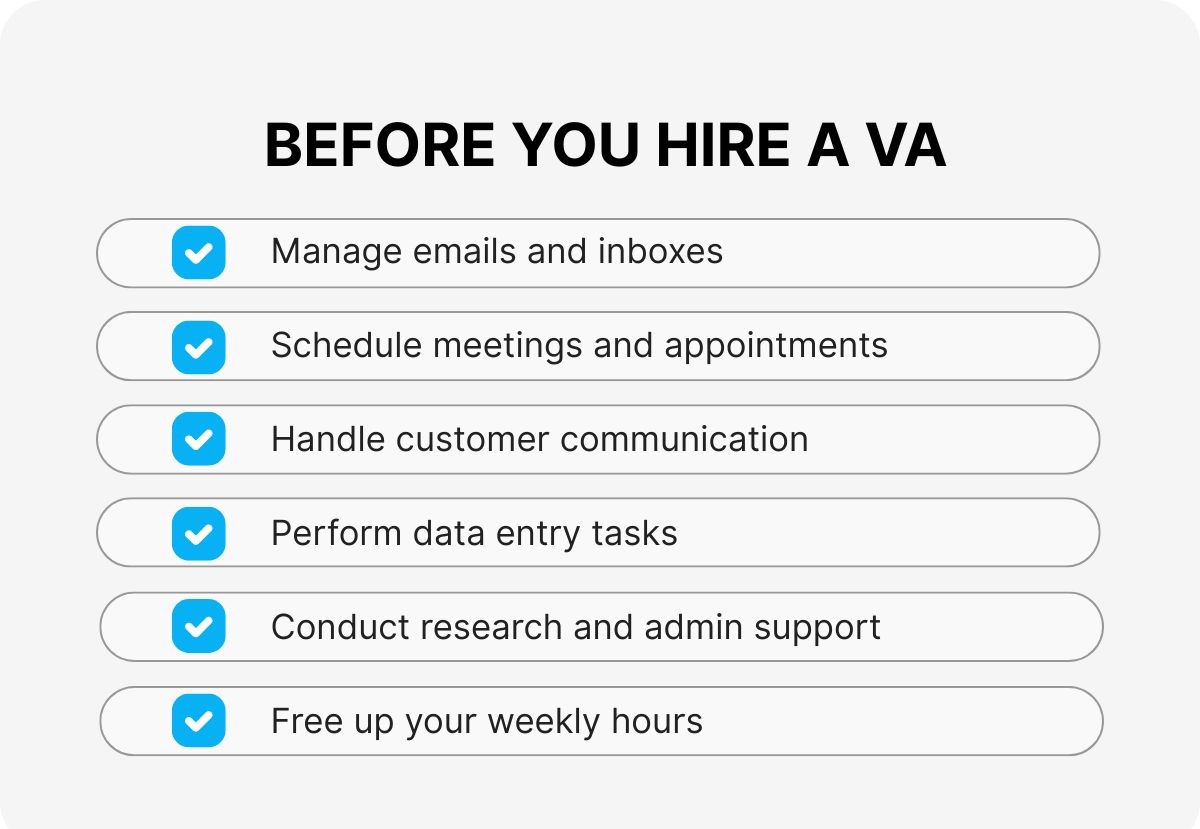
Businesses can focus more on their core objectives by delegating responsibilities such as scheduling, email management, and document preparation to an operations virtual assistant.


A virtual operations manager ensures that workflows run smoothly, minimizing interruptions in daily operations.


Virtual operations assistant managers can oversee teams remotely, reducing the need for constant in-house supervision.


Their expertise helps maintain the accuracy and quality of tasks while adhering to deadlines.


Data entry is one of the most tedious processes, but a virtual task manager can help make it manageable and organized.


Hiring such professionals ensures businesses can allocate resources more efficiently and free up internal teams for more strategic endeavors.


This approach allows organizations to maintain productivity while addressing routine demands effectively.


What Are The Most Common Tasks A Virtual Operations Assistant Can Handle?

1. Managing Administrative Tasks

A virtual operations assistant efficiently handles routine administrative responsibilities to keep your business running smoothly.


They can organize schedules, book appointments, and maintain detailed calendars.


This role also includes sending reminders and following up on meetings, ensuring no crucial detail is overlooked.


Virtual operations assistants are experts at document management, whether it involves creating, editing, or organizing files for easy access.


By standardizing these processes, they excel in systematizing business operations with virtual personal assistants.


Handling emails, memos, or chat logs falls under their scope, helping businesses maintain impeccable communication.


These tasks contribute to more efficient business operations management with virtual assistants, as business owners can focus on higher priorities.


Delegating administrative responsibilities ensures that team operations are streamlined for long-term success.


2. Overseeing Team Coordination

A virtual operations assistant ensures team members stay aligned and every task gets completed on time.


Through project management tools, they assign tasks to team members and monitor their progress, maintaining accountability.


They excel at organizing virtual meetings, preparing agendas, and ensuring everyone receives updates promptly afterward.


Manage communication channels to reduce confusion and encourage team collaboration.


They play a vital role in virtual operations management by bridging the gap between remote team members.


Efficient business operations with a general admin virtual assistant thrive when teams are coordinated effectively.


They also assist in documenting procedures or systems that make workflows clearer and easier for team members to adopt.


Focusing on coordination fosters a work environment where delays and misunderstandings are minimized.


3. Managing Customer Support

A virtual operations assistant can be your frontline for managing customer interactions efficiently.


They respond to inquiries over email, live chat, or social media platforms, ensuring timely answers and high customer satisfaction.


Virtual services operations often involve handling support tickets and informing customers about updates or solutions to issues.


They track customer service metrics like response times or issue resolution for continuous improvement.


Systematizing business operations with retail and wholesale virtual assistant services is evident when they help refine workflows for a better customer experience.


They often assist in creating and maintaining FAQ sections or troubleshooting guides to reduce repeated inquiries.


Efficient business operations management with virtual assistants relies on a seamless customer support system that retains satisfaction.


By ensuring customers receive the assistance they need, these assistants help build long-term trust and loyalty.


4. Managing Data Entry and Reporting

Virtual operations assistants excel at maintaining accurate records and turning raw data into actionable insights.


They input and update information in databases or spreadsheets, ensuring data integrity.


Virtual operations management benefits greatly from its ability to track metrics, compile reports, and identify trends.


This includes preparing summaries, analyzing performance, or creating presentations based on compiled data.


Systematizing business operations with virtual assistants makes data handling less daunting and more structured.


They ensure compliance with company policies when working with sensitive or confidential business information.


Efficient business operations with virtual assistants are enhanced through organization and data-driven decisions.


Their meticulous attention to detail minimizes errors, making data management a valuable service for any business.


5. Handling E-commerce Activities

A virtual operations assistant ensures smooth day-to-day operations in e-commerce management.


They update product listings, write descriptions, and check platform pricing accuracy regularly.


Inventory management, including stock tracking and reordering, often falls within their responsibilities in virtual services operations.


Customer transactions and issues like order cancellations or refunds are handled to provide a hassle-free experience.


Virtual operations management sees substantial improvement when assistants streamline product catalogs and sales processes.


They can also coordinate promotional campaigns, ensuring timely updates for discounts, sales, or new launches.


Efficient business operations management with virtual assistants guarantees that the e-commerce arm of the business runs efficiently.


These assistants’ consistency and organization help maximize customer satisfaction and sales growth.


6. Social Media Management

Managing a strong social media presence becomes easier with the help of a virtual operations assistant.


They handle content creation by scheduling posts, curating graphics, and brainstorming content ideas aligned with your brand.


Responding to comments or direct messages ensures audience engagement and builds meaningful relationships.


They analyze social metrics like reach, click-through rates, and engagement levels to identify growth opportunities.


When focusing on systematizing business operations with virtual assistants, social media processes become more manageable.


Assistants also keep track of trends, hashtags, and algorithm updates to ensure your content remains relevant.


Virtual operations management benefits as they work to ensure community growth and consistent branding efforts on digital platforms.


Their consistent efforts help businesses maintain a visible and engaged online presence.


7. Managing Financial Responsibilities

A virtual operations assistant alleviates the burden of managing finances efficiently.


They track daily expenses and maintain records using software tools to access financial data easily.


They assist in invoicing clients, processing payments, and following up on overdue accounts.


Managing financial reports and preparing summaries for review helps in transparent financial monitoring.


Virtual services operations often include reconciling bank statements to ensure all figures match accurately.


By systematizing business operations with virtual assistants, finance-related workflows become less error-prone.


Efficient business operations with virtual assistants ensure financial tasks are handled, leaving little room for oversight.


Investing in this support can save businesses time and maintain consistent financial health.


What Factors Should Be Considered When Hiring A Virtual Operations Assistant?

1. Defining Job Requirements Clearly

When hiring a virtual operations assistant, defining job requirements is crucial.


This involves identifying specific tasks that align with your business needs and goals.


For example, if the focus is on virtual operations management, you must communicate what aspects of the operations require support.


A virtual operations assistant may handle virtual services operations, systematize business operations with virtual assistants, or create workflows tailored to your business.


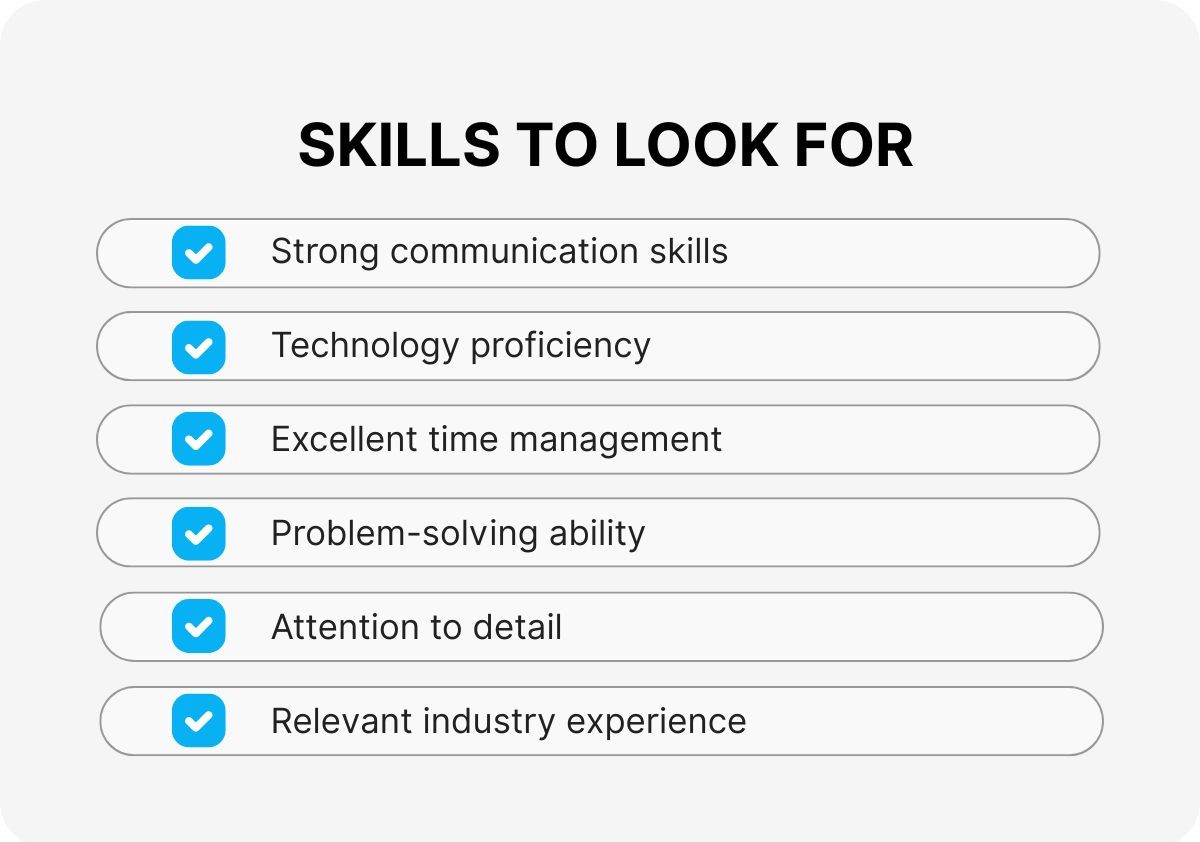
Clear job descriptions help you find qualified candidates with the right skills and experience.


It also ensures that your expectations regarding efficient business operations with virtual assistants are effectively met.


By narrowing down responsibilities, you avoid confusion during the hiring process and create a strong foundation for collaboration.


A well-defined role contributes to efficient business operations management with virtual assistants, ensuring all tasks align with your objectives.


2. Assessing Relevant Experience

Relevant experience is a key factor when hiring a virtual operations assistant.


Candidates should demonstrate their ability to manage virtual services operations effectively.


They bring added value to your team if they have experience systematizing business operations with virtual assistants.


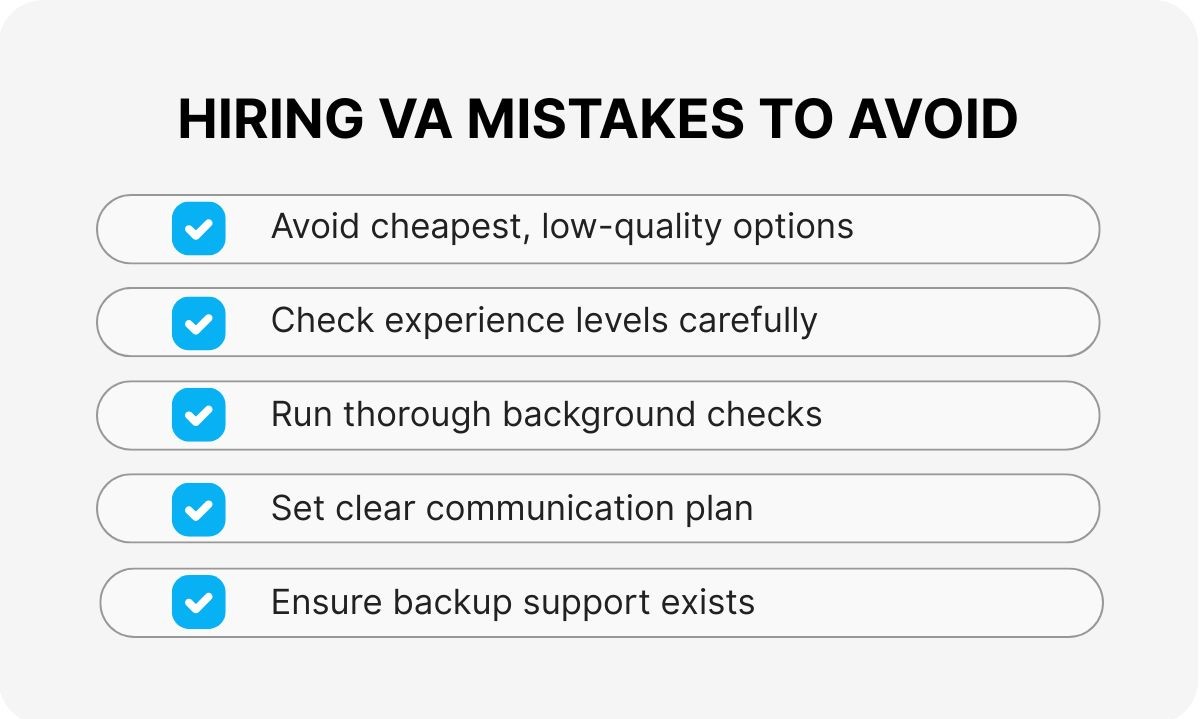
You can verify their expertise by reviewing their prior roles and certifications or asking about practical examples of their work.


Assessing experience ensures that the assistant can adapt to your operational needs quickly.


An experienced assistant with virtual assistants contributes immediately to efficient business operations management.


This reduces the time spent on training and allows the business to focus on growth.


Ensuring competence makes you feel confident in your contributions to efficient business operations with virtual assistants.


3. Evaluating Communication Skills

Excellent communication skills are essential when hiring a virtual operations assistant.


Since they often manage virtual operations, clear and concise communication ensures tasks are executed accurately.


Whether it involves coordinating virtual services operations or providing updates, communication plays a vital role.


A virtual operations assistant must also work collaboratively when systematizing business operations with virtual assistants.


Assessing their responsiveness, clarity, and understanding during initial interactions can reveal their ability to manage communication effectively.


Strong communication with virtual assistants, through transparency and precision, contributes to efficient business operations.


It reduces the risk of errors and ensures a reliable flow of information.


This skill fosters seamless operations and builds trust in your working relationship.


4. Verifying Technical Proficiency

Technical proficiency is another critical factor when hiring a virtual operations assistant.


They should be familiar with the tools and platforms commonly used in virtual operations management.


From project management systems to software for virtual services operations, technical skills ensure efficiency.


A good assistant uses these tools effectively when systematizing business operations with virtual assistants.


Testing their proficiency through tasks or software demos can help gauge their abilities.


When they are adept at managing technical tools, it leads to efficient business operations with virtual assistants.


This proficiency allows them to integrate seamlessly into your existing processes and adds measurable value.


Confirming technical skills ensures the assistant can perform their role with minimal oversight or guidance.


5. Understanding Cultural Fit

Cultural fit is equally important when hiring a virtual operations assistant.


The assistant will work closely with your team and must align with your company values and work culture.


This is especially vital in virtual operations management and virtual services operations, where collaborative harmony is key.


A good virtual operations assistant adapts seamlessly to your workflows while systematizing business operations.


Interviewing focusing on personality, adaptability, and shared values ensures alignment.


When there’s a strong cultural fit, it enhances efficient business operations management with virtual assistants.


The assistant becomes an integral part of your team, contributing positively to the work environment.


A well-matched hire will not only excel in their tasks but will also build lasting professional relationships.


Navigating the Contractual Hiring Process

Understanding how the contractual hiring process works is essential when bringing on an operations virtual assistant.


Online Recruitment Platforms Make It Easy

Today, online platforms such as Upwork, Freelancer, and Remote.co make finding operational virtual assistants straightforward. These sites let you create detailed listings, screen profiles, and connect with candidates from anywhere. This global reach means you have access to diverse skill sets while streamlining virtual operations management in a competitive market.


Transparent Salary Discussions

One advantage of contractual hiring is flexibility in compensation. Many platforms allow you to set your budget and preferred payment terms when posting your job. This transparency helps you and your prospective assistant quickly determine if the partnership is a match, eliminating misaligned salary expectations from the start.


Cost-Effective Solutions

When negotiating with virtual assistants, compensation typically aligns with project scope or hourly rates. You only pay for the work you need, which often results in considerable savings compared to hiring a full-time, in-house employee. No extra costs for benefits, office space, or equipment—just targeted value for the tasks at hand.


Flexible Work Arrangements

Contractual hiring gives your business the agility to scale staffing—add or reduce support as your operational needs shift. Whether you require assistance for a specific project or ongoing support during peak workloads, this flexible model ensures resources are allocated efficiently. It also allows you to tap into specialized expertise without the commitment of a long-term employment arrangement.


Ensuring your engagement terms are clear from the outset—regarding deliverables, timelines, and expectations—sets both you and your virtual assistant up for success. This process fuels smooth collaborations and ultimately helps you manage business operations with agility and confidence.


Stealth Agents review


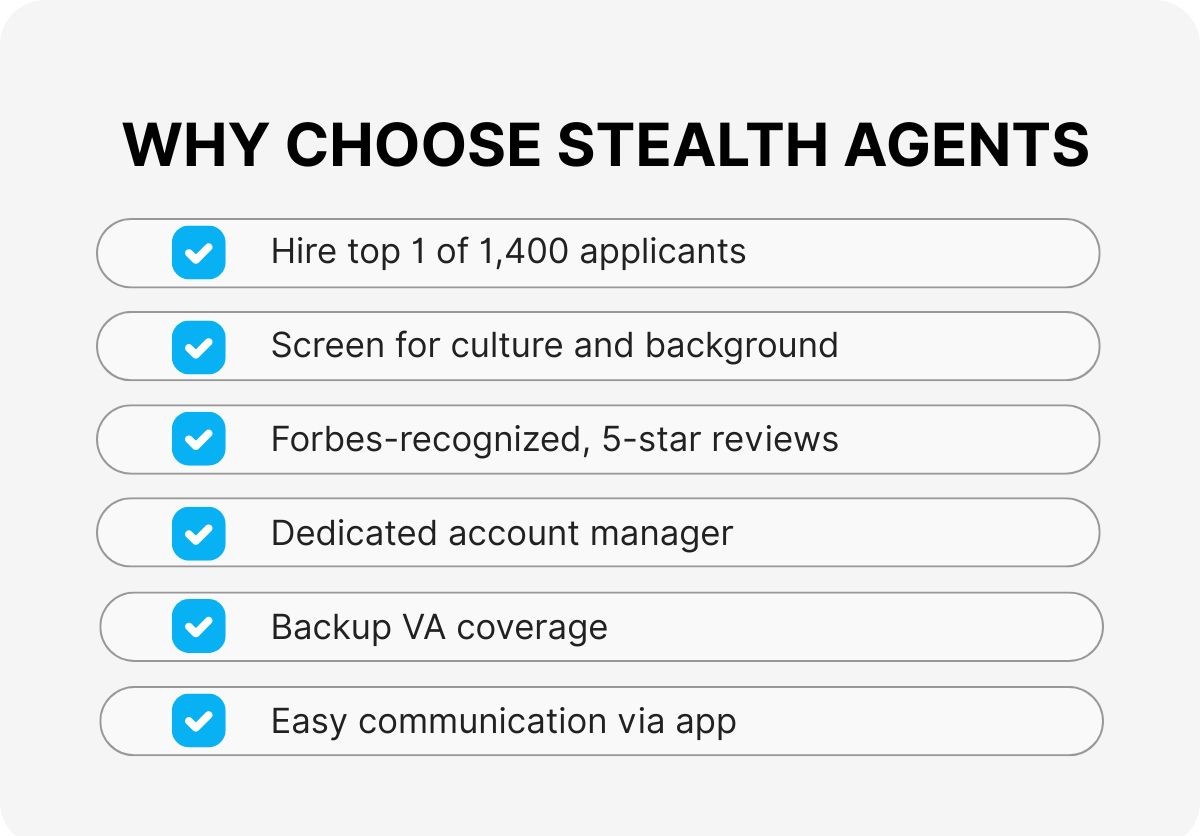
Why Choose Stealth Agents When Hiring a Virtual Operations Assistant?

1. Defining Job Requirements Clearly

When hiring a virtual operations assistant, defining job requirements is crucial.


This involves identifying specific tasks that align with your business needs and goals.


For example, if the focus is on virtual operations management, you must communicate what aspects of the operations require support.


A virtual operations assistant may handle virtual services operations, systematize business operations with virtual assistants, or create workflows tailored to your business.


Clear job descriptions help you find qualified candidates with the right skills and experience.


It also ensures that your expectations regarding efficient business operations with virtual assistants are effectively met.


By narrowing down responsibilities, you avoid confusion during the hiring process and create a strong foundation for collaboration.


A well-defined role contributes to efficient business operations management with virtual assistants, ensuring all tasks align with your objectives.


2. Assessing Relevant Experience

Relevant experience is a key factor when hiring a virtual operations assistant.


Candidates should demonstrate their ability to manage virtual services operations effectively.


They bring added value to your team if they have experience systematizing business operations with virtual assistants.


You can verify their expertise by reviewing their prior roles and certifications or asking about practical examples of their work.


Assessing experience ensures that the assistant can adapt to your operational needs quickly.


An experienced assistant with virtual assistants contributes immediately to efficient business operations management.


This reduces the time spent on training and allows the business to focus on growth.


Ensuring competence makes you feel confident in your contributions to efficient business operations with virtual assistants.


3. Evaluating Communication Skills

Excellent communication skills are essential when hiring a virtual operations assistant.


Since they often manage virtual operations, clear and concise communication ensures tasks are executed accurately.


Whether it involves coordinating virtual services operations or providing updates, communication plays a vital role.


A virtual operations assistant must also work collaboratively when systematizing business operations with virtual assistants.


Assessing their responsiveness, clarity, and understanding during initial interactions can reveal their ability to manage communication effectively.


Strong communication with virtual assistants, through transparency and precision, contributes to efficient business operations.


It reduces the risk of errors and ensures a reliable flow of information.


This skill fosters seamless operations and builds trust in your working relationship.


4. Verifying Technical Proficiency

Technical proficiency is another critical factor when hiring a virtual operations assistant.


They should be familiar with the tools and platforms commonly used in virtual operations management.


From project management systems to software for virtual services operations, technical skills ensure efficiency.


A good assistant uses these tools effectively when systematizing business operations with virtual assistants.


Testing their proficiency through tasks or software demos can help gauge their abilities.


When they are adept at managing technical tools, it leads to efficient business operations with virtual assistants.


This proficiency allows them to integrate seamlessly into your existing processes and adds measurable value.


Confirming technical skills ensures the assistant can perform their role with minimal oversight or guidance.


5. Understanding Cultural Fit

Cultural fit is equally important when hiring a virtual operations assistant.


The assistant will work closely with your team and must align with your company values and work culture.


This is especially vital in virtual operations management and virtual services operations, where collaborative harmony is key.


A good virtual operations assistant adapts seamlessly to your workflows while systematizing business operations.


Interviewing focusing on personality, adaptability, and shared values ensures alignment.


When there’s a strong cultural fit, it enhances efficient business operations management with virtual assistants.


The assistant becomes an integral part of your team, contributing positively to the work environment.


A well-matched hire will not only excel in their tasks but will also build lasting professional relationships.


Takeaways

Delegating data entry tasks to a virtual assistant is a practical way to save time and focus on critical business goals.


A virtual operations assistant can manage tedious and repetitive tasks efficiently, reducing the workload on your team.


Stealth Agents provides experienced professionals who can handle these responsibilities with accuracy and reliability.


By hiring a virtual assistant through Stealth Agents, you can ensure that your administrative operations run smoothly.


Their team is ready to assist, offering services tailored to your preferences and needs.


Call Stealth Agents today and book a free discussion to explore their pricing options and find the right fit for your business.


Take the step towards simplifying your workload and making your business operations more manageable with the help of a skilled virtual assistant.


Frequently Asked Questions

What data security measures should I expect from a virtual operations assistant handling sensitive information?

They should provide non-disclosure agreements (NDAs), use secure file transfer methods, encrypted communication, and follow GDPR rules. Look for assistants who use password-protected systems, two-factor authentication, and have experience handling confidential data. Always check their security policies and certifications before sharing sensitive information.


How much does it typically cost to hire a virtual operations assistant for data entry projects?

Rates depend on experience and task complexity. Basic data entry costs $8-15 per hour, while more specialized tasks can cost $15-25+ per hour. For project-based pricing, simple data entry projects usually start at $50-200, depending on the amount of work and requirements.


What time zones work best when hiring a virtual operations assistant for data entry support?

Choose a time zone based on your business hours and how much real-time communication you need. Assistants in similar time zones allow for live collaboration, while those in different zones can work overnight. Many businesses prefer assistants 1-3 hours ahead or behind for some overlap during the workday.


Which software platforms do virtual operations assistants commonly use for data entry tasks?

They often use Excel, Google Sheets, Salesforce, QuickBooks, and other CRM systems. Some also work with tools like Tableau for data visualization, MySQL for database management, and Dropbox for cloud storage. Make sure they are familiar with the software you use before hiring.


How can I verify the accuracy and quality of data entry work from a virtual operations assistant?

Check their work with sample reviews, set accuracy goals (usually 98% or higher), and do regular audits. Provide clear formatting rules and use tracking sheets to monitor errors. Many assistants offer quality reports and are open to feedback to improve their work.


What should be included in a contract when hiring a virtual operations assistant for data entry?

The contract should include the scope of work, deadlines, quality standards, payment terms, confidentiality rules, and how you will communicate. Also, include details about data formats, accuracy expectations, backup plans, and how to handle contract termination. A clear contract helps avoid misunderstandings.


How do I train a virtual operations assistant on my company’s specific data entry procedures?

Create step-by-step guides (SOPs), share sample files, and hold video training sessions. Use screen recordings to show how tasks are done, provide practice datasets, and check in regularly during the first week. Keep a list of common questions and answers for future reference.


What backup plans should I have if my virtual operations assistant becomes unavailable during critical data entry deadlines?

Have a backup assistant ready, keep detailed instructions that others can follow, and set up clear handover steps. Agencies often offer replacement guarantees and maintain updated project records. Build extra time into your deadlines to handle unexpected delays.


Can virtual operations assistants handle data entry tasks that require industry-specific knowledge or compliance?

Yes, many assistants specialize in industries like healthcare (HIPAA rules), finance (SOX requirements), or real estate (MLS systems). Look for assistants with certifications, experience in your field, and knowledge of any rules they need to follow. Always confirm their training and experience.


What performance metrics should I track to evaluate my virtual operations assistant’s data entry effectiveness?

Track accuracy rates, speed (records per hour), meeting deadlines, and types of errors. Also, monitor productivity trends, how quickly they respond to messages, and improvements in quality over time. Set clear goals and review their performance regularly to ensure they meet your expectations.

Summarize This Article With AI :

Table of Contents

Receive Virtual Assistants insights delivered weekly
Hire Top 1% Virtual Assistants
Hire 10+ Year Experienced Virtual Assistants
  • Hire Full Time Executive Assistants
  • 160 Working Hours Per Month
  • Includes Fully Dedicated Account Manager
  • Cloud Management + Mobile App
  • Industry Specific To Your Needs
  • Stealth Agent’s 100% Next Best Hire Guarantee
  • All Assistants Have 10+ Years Of Experience
  • 100% Money Back Guarantee If We Don’t Bring You The Next Best Hire In Your Company