Executive assistant hiring is the key to unlocking more productive hours in your day by offloading time-consuming tasks to a skilled professional. Stealth Agents simplifies the process by matching you with a top-tier assistant, so you can stay focused on growth, not admin.
Managing schedules, emails, and administrative tasks can drain an executive’s time, making a skilled assistant essential for productivity. Studies show that executives spend up to 16 hours weekly on administrative work, taking time away from strategic decision-making.
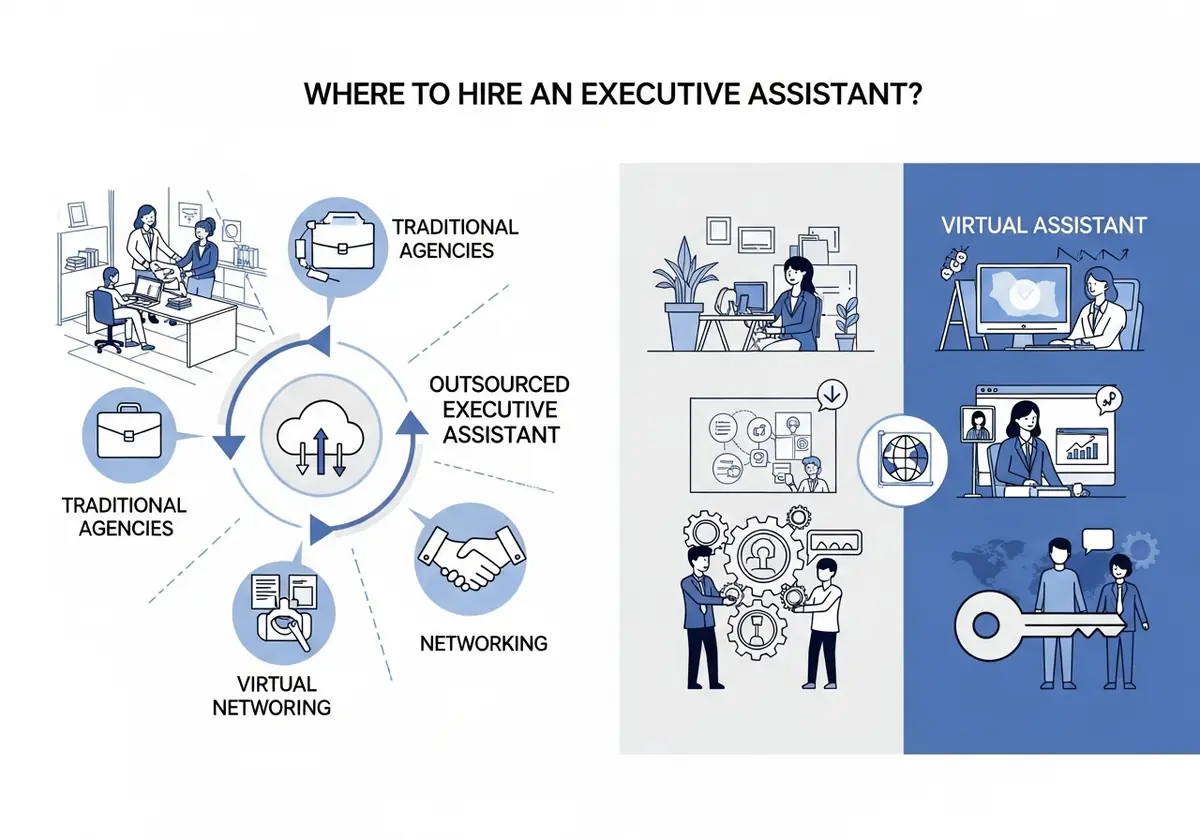
Many businesses now prefer an outsourced executive assistant to handle these tasks remotely, providing flexibility and cost savings. Knowing where to hire an executive assistant is key to finding top talent who can effectively manage communications, scheduling, and project coordination.
In this guide, we’ll explore the best places to hire an executive assistant and the top executive assistant tools they use to streamline workflows.
With the proper support, executives can stay organized, delegate tasks efficiently, and focus on business growth. Stealth Agents provides highly trained agents with the best tools to ensure seamless operations.
Book a free consultation to explore our executive assistant services and hire top talent quickly.
1. Why Hiring an Executive Assistant Matters
Running a business or managing high-level responsibilities can quickly become overwhelming, making time your most valuable asset. An executive assistant (EA) helps streamline daily operations, handle administrative tasks, and free up your schedule for strategic decision-making.
From managing emails and scheduling meetings to coordinating projects and client communications, a skilled EA ensures that nothing falls through the cracks. By delegating tasks a virtual assistant can do effectively, you improve efficiency, reduce stress, and stay focused on growth.
Whether you’re a startup founder, a busy executive, or a solopreneur, hiring the right EA can be a game-changer for productivity and business success.
2. What to Look for in an Executive Assistant
Finding the right executive assistant goes beyond just hiring someone with administrative experience.
Here are the key qualities to look for when selecting the best fit for your needs:
-
Strong Organizational Skills—An EA should be able to manage schedules, meetings, and priorities without missing a beat. They must create systems that keep workflows efficient and ensure no detail is overlooked. A well-organized EA can transform a chaotic work environment into a structured, seamless operation.
-
Excellent Communication—Clear and professional communication is essential, whether drafting emails, coordinating with teams, or handling client interactions. An EA is a bridge between you and various stakeholders, so they must convey messages accurately and professionally. Strong written and verbal communication skills can prevent misunderstandings and improve overall collaboration.
-
Time Management Proficiency—A top-tier EA knows how to juggle multiple tasks while ensuring deadlines are met. They must proactively prioritize urgent matters and manage their time efficiently to keep everything on track. An EA with strong time management skills will prevent bottlenecks and help optimize your productivity.
- Tech-Savviness – Familiarity with productivity tools like Google Workspace, Microsoft Office, Slack, Asana, and CRM systems is essential. Many business processes are digital, so an EA should easily navigate technology and troubleshoot minor tech issues. The ability to adapt to new tools quickly ensures seamless integration into your workflow.
-
Discretion and Confidentiality—Since EAs handle sensitive information, trustworthiness and professionalism are non-negotiable. Whether managing confidential emails, financial records, or business strategies, an EA must respect privacy and maintain strict confidentiality. Having an assistant you can trust with critical data allows you to delegate more confidently.
-
Problem-Solving Abilities – The best assistants anticipate challenges and proactively find solutions before they become major issues. They should be resourceful in handling unexpected situations, whether it’s rescheduling meetings on short notice or resolving conflicts. A problem-solving outsourced assistant can help reduce stress by keeping operations running smoothly, even under challenging situations.
-
Adaptability and Initiative—When you hire a virtual executive assistant, they should take the lead, adjust to changing business needs, and continuously improve processes. They should be able to handle last-minute changes, new responsibilities, and high-pressure situations without hesitation. Their initiative to streamline workflows and improve efficiency makes them an invaluable asset to any executive.
-
Industry-Specific Experience—If possible, hiring an EA with experience in your industry can be a huge advantage. They will already be familiar with the terminology, processes, and challenges unique to your field, allowing them to be more effective from day one. An EA with relevant experience requires less training and can contribute to business growth more quickly.
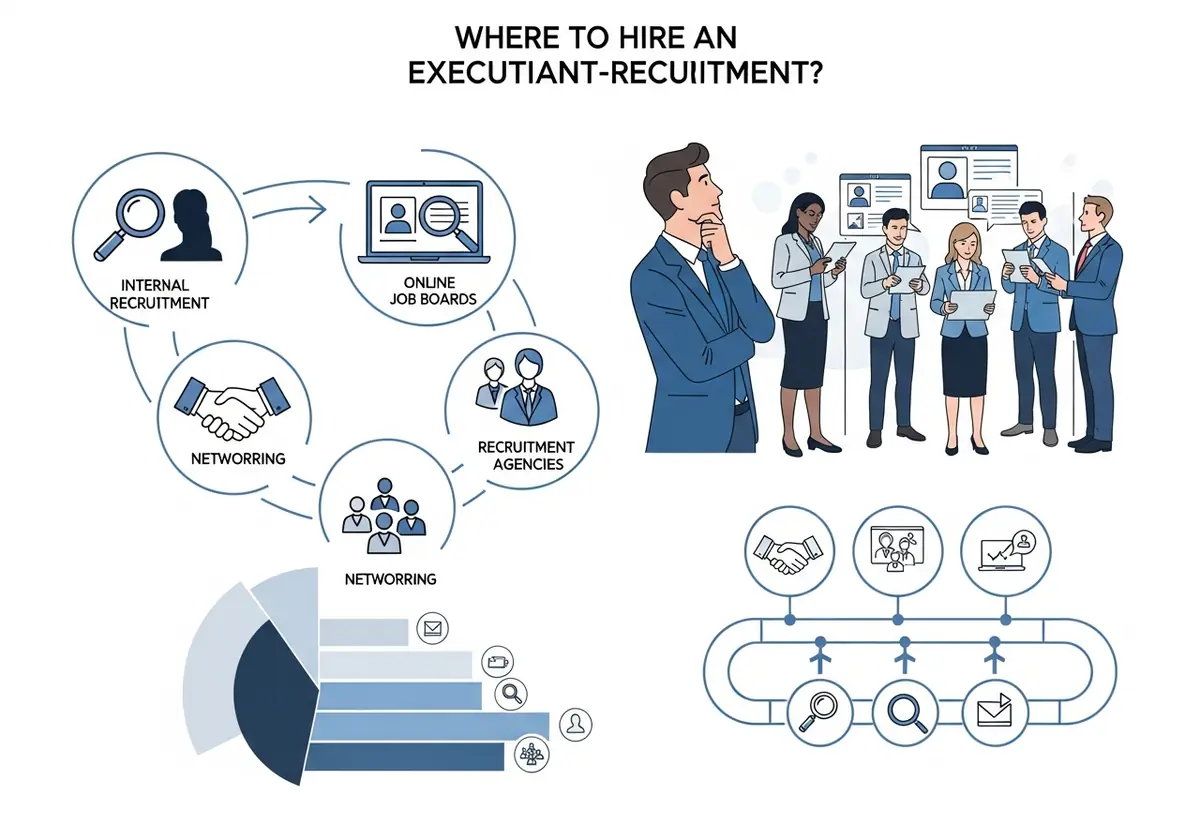
3. Best Platforms to Hire an Executive Assistant
Finding the right executive assistant starts with choosing the best hiring platform. Below are the top options, with Stealth Agents leading the list for premium virtual assistant services.
-
Stealth Agents—A top-tier outsourcing agency that provides highly skilled executive assistants tailored to business needs. They offer pre-vetted, trained EAs specializing in administrative support, project management, and executive coordination. With a focus on reliability and efficiency, Stealth Agents ensures you get a professional assistant ready to enhance your productivity.
-
Upwork is a popular freelance marketplace where you can hire executive assistants at hourly or fixed rates. It provides access to a large pool of global talent with varying levels of experience and pricing. However, you may need extra time vetting candidates to ensure quality and reliability.
-
Fiverr—Known for its affordability and quick hiring process, Fiverr is an option for executives looking for task-based virtual assistants. At the same time, you can find EAs with different skill levels; the platform best suits short-term or project-based assistance rather than long-term executive support.
-
BELAY—A premium staffing agency specializing in high-level professionals. BELAY thoroughly screens candidates, ensuring you get a highly qualified EA who can handle complex tasks. The service is on the higher end in terms of pricing, but it guarantees quality and reliability.
-
MyOutDesk—A well-established virtual assistant provider offering dedicated EAs for businesses of all sizes. MyOutDesk pairs clients with trained assistants who excel in administrative tasks, project management, and customer support. Their service is ideal for companies looking for long-term virtual executive assistants.
-
LinkedIn—A powerful platform for hiring executive assistants with specific industry experience. You can post a job listing or reach out to potential candidates through networking. LinkedIn provides professional insights into candidates’ work history, skills, and endorsements, making finding quality hires easier.
-
Indeed – One of the largest job portals—allows you to post job listings and receive applications from executive assistants worldwide. The platform provides resume reviews, skill assessments, and employer ratings to help you find the best match. However, sorting through a high volume of applications can be time-consuming.
-
Freelancer—Similar to Upwork, Freelancer connects businesses with independent executive assistants on a project or hourly basis. It offers bidding options, allowing you to choose an EA within your budget, though you’ll need to vet candidates for quality assurance carefully.
-
PeoplePerHour—A lesser-known but effective platform for hiring executive assistants on a flexible basis. It allows you to browse profiles, review previous work, and set budgets before hiring. This platform is best for executives looking for short-term or part-time EAs.
-
Referrals & Networking—Sometimes, the best way to find a reliable executive assistant is through trusted referrals. Business owners, colleagues, or LinkedIn connections can recommend skilled assistants who have already been vetted through experience. This method often results in high-quality hires with proven track records.
Choosing the right platform depends on your needs, budget, and preference for a freelancer, agency-based EA, or in-house hire.
4. How to Streamline the Hiring Process
Finding the right assistant requires a structured approach to ensure efficiency and a perfect fit. Here are five key steps to streamline your hiring process:
1. Define Clear Roles and Expectations
Before starting your search, outline the specific tasks and responsibilities your will handle. This includes administrative duties, scheduling, email management, and project coordination. You can attract candidates with the proper skill set and experience by setting clear expectations. A well-defined job description also helps prevent miscommunication and ensures alignment between you and your assistant. Clarity increases productivity and leads to a more successful working relationship.
2. Use Executive Assistant Recruiters for Top Talent
If you want a highly qualified assistant without spending hours vetting candidates, consider working with executive assistant recruiters. These agencies specialize in finding skilled professionals with experience in executive support, business operations, and remote collaboration. Recruiters handle the screening, background checks, and initial interviews, saving you time and effort. They also ensure the candidates have the experience and professionalism required for high-level support roles. This option is ideal for busy executives who need a top-tier assistant quickly.
3. Leverage Services
Outsourcing to services can provide a hassle-free hiring process with pre-vetted professionals. These services offer trained assistants skilled in administrative management, customer relations, and executive-level support. The advantage of using an agency is that it handles onboarding, replacements, and ongoing training, ensuring quality and reliability. With a structured system, these services reduce hiring risks and provide a seamless experience. This option is perfect for businesses that need immediate support without long-term hiring commitments.
4. Screen Candidates with Practical Assessments
Conduct skills assessments and trial tasks to determine whether a candidate is the right fit. These can include scheduling mock meetings, managing emails, or preparing reports. Practical tests help evaluate time management, communication skills, and proficiency with business tools. A strong candidate should demonstrate efficiency, professionalism, and attention to detail in real-world scenarios. This step ensures you hire someone who can meet your expectations before making a long-term commitment.
5. Understand Executive Assistant vs Personal Assistant Roles
When hiring, it’s essential to distinguish between an executive assistant and a personal assistant to ensure you get the proper support. An executive assistant focuses on business-related tasks such as calendar management, project coordination, and communication with key stakeholders. In contrast, a personal assistant may handle errands, travel bookings, and personal scheduling. Understanding this distinction helps you refine your hiring criteria and select a professional who aligns with your needs. A well-matched assistant can significantly enhance productivity and business growth.
Following these steps, you can streamline the hiring process and secure a highly skilled professional that fits your business needs.
4. How to Streamline the Hiring Process
Hiring an executive assistant requires a structured approach to ensure a good fit. Start by defining clear roles and expectations, outlining tasks like scheduling, email management, and project coordination.
Using executive assistant recruiters or specialized services can streamline the process by providing pre-vetted professionals, saving time and effort. Practical assessments, such as scheduling mock meetings or handling reports, help evaluate a candidate’s real-world efficiency.
Additionally, understanding the difference between an executive assistant and a personal assistant ensures you hire the correct type of support for your needs. Following these steps simplifies hiring and secures an EA who enhances productivity and business success.
5. Cost of Hiring an Executive Assistant
The cost of hiring an executive assistant varies based on experience, location, and whether they are in-house or virtual. Here are five key factors that influence pricing:
-
Hourly vs. Fixed-Rate Pricing— Typically charge hourly rates ranging from $10 to $50, while full-time in-house assistants may have fixed salaries. Choosing between hourly and fixed-rate pricing depends on workload and budget flexibility.
-
Location and Hiring Model—Hiring a U.S.-based executive assistant is generally more expensive than outsourcing to offshore professionals, such as those in the Philippines or India. Remote EAs from outsourcing hubs provide quality service at a fraction of the cost.
-
Skill Level and Experience—Entry-level assistants charge less but may require training, while highly experienced EAs with specialized skills demand higher pay. Expect premium rates if you need expertise in project management, finance, or executive-level communication.
-
Executive Assistant Recruiters vs. Direct Hiring—Using executive assistant recruiters adds recruitment fees but ensures a faster, more reliable hiring process. Direct hiring through freelance platforms or job boards saves on recruiter costs but requires extensive vetting.
-
Additional Costs for Tools and Benefits – Virtual EAs may require software subscriptions, while in-house assistants need benefits like healthcare, PTO, and retirement contributions. Factoring in these expenses helps determine the actual cost of hiring an EA.
6. Tips for Managing Your Executive Assistant Effectively
Set Clear Goals and Expectations – Define tasks, priorities, and performance benchmarks from the start. Clear instructions ensure your assistant understands their role and efficiently delivers results.
Be Specific About Responsibilities
Outline whether your assistant will be managing your calendar, screening calls, scheduling meetings, preparing reports, or helping coordinate key projects—or all of the above. The more precise you are, the smoother the workflow will be.
Highlight Essential Skills and Traits
Look for resourcefulness, adaptability, and strong communication skills—both written and verbal. Your executive assistant should be comfortable interacting with everyone from clients to vendors, able to solve problems on the fly, and maintain strict confidentiality when handling sensitive information.
Consider Technical Savvy
In today’s workplace, digital skills are a must. Specify any software or platforms your assistant needs to master, such as Microsoft Word, Excel, Outlook, internet research, social media, or database tools like Microsoft Access or FileMaker Pro. Experience with platforms like Workday or Salesforce can be a huge plus.
Don’t Overlook Professional Credentials
Depending on your needs, you might require certain levels of education or specific certifications that demonstrate professionalism and expertise.
Encourage Tech Adaptability
The digital landscape is always evolving. Prioritize candidates who are eager to keep up with new technology and comfortable learning tools that help streamline routine tasks and boost productivity.
Conclusion
Managing your executive assistant effectively is key to maximizing their impact on your business. Start by setting clear goals and expectations, ensuring they understand their role, priorities, and performance benchmarks.
Utilize collaboration tools like Slack, Asana, and Google Workspace to streamline communication and task management. Regular feedback and check-ins help align goals, address challenges, and improve efficiency.
Encourage proactive problem-solving by empowering your to anticipate issues and suggest improvements.
Lastly, build a strong working relationship based on trust and professionalism, treating your EA as a valued team member. Proper management makes your assistant a vital asset, allowing you to focus on high-level business decisions.
Frequently Asked Questions
What is the average salary range for executive assistants in different regions?
Executive assistant salaries depend on location. In big US cities, they earn $45,000-$75,000 per year, while smaller towns offer $35,000-$55,000. Virtual executive assistants from countries like the Philippines usually charge $8-$15 per hour, offering a more affordable option with professional service.
How long does it take to find and onboard an executive assistant?
The time to hire depends on the method. Freelance platforms may take 1-2 weeks to search and vet candidates. Agencies like Stealth Agents can match you with a pre-vetted assistant in 5-10 days. Traditional hiring through recruiters may take 3-6 weeks. Onboarding typically adds another 1-2 weeks for training and setup.
What background checks should I require when hiring an executive assistant?
Important checks include criminal history, past job verification, and references from previous employers. If they’ll handle sensitive data, consider credit checks and reviewing their social media. For virtual assistants, ensure they have a secure internet connection, sign confidentiality agreements, and follow data protection rules like GDPR or HIPAA.
Which time zones work best when hiring a virtual executive assistant?
The best time zone depends on your needs. For real-time collaboration, hire someone within 3-4 hours of your time zone. Assistants in the Philippines are a good fit for US businesses because they can adjust their schedules. Look for assistants who can work during your peak hours or split shifts.
What contract terms should I include when hiring an executive assistant?
Include confidentiality agreements, a 2-week notice period for ending the contract, and clear rules about who owns the work they create. Define their tasks, set performance goals, and outline how you’ll communicate. For virtual assistants, add details about equipment, internet reliability, and backup plans for communication.
How do I verify the technical skills of an executive assistant before hiring?
Test their skills with real tasks. For example, ask them to create a spreadsheet, manage a calendar, or use a CRM system. You can also request work samples, certifications, or a short paid trial project to see how well they handle the work.
What are the tax implications of hiring a virtual executive assistant?
If they’re an independent contractor, you’ll need to issue a 1099 form for payments over $600. Employees require W-2 forms and payroll taxes. For virtual assistants in other countries, US tax forms may not apply. Talk to a tax expert to understand deductions and proper classification.
How do I protect confidential information when working with an executive assistant?
Use signed NDAs, secure file-sharing tools, two-factor authentication, and encrypted communication. Only give them access to the information they need. Regularly update passwords, monitor access logs, and provide security training. Cyber liability insurance can offer extra protection.
What performance metrics should I track for my executive assistant?
Track how quickly and accurately they complete tasks, manage your calendar, and prepare for meetings. Measure how much time they save you, how satisfied clients are, and how well they communicate. Monthly reviews can help assess their problem-solving skills and overall contribution to your goals.
Can an executive assistant help with industry-specific tasks in specialized fields?
Yes, many executive assistants have experience in fields like healthcare, law, real estate, or finance. They know the terms, rules, and tools specific to those industries. Companies like Stealth Agents can match you with assistants who have the right background to handle tasks like medical scheduling, legal paperwork, or financial reporting.