Virtual assistant data entry for customer service is the most innovative way to streamline your operations and keep customers happy without overloading your team. Stealth Agents provides skilled virtual assistants who handle data tasks efficiently, so your team can focus on delivering top-tier support and growing your business faster.
Smooth data entry is crucial to keeping operations smooth and clients satisfied, thanks to virtual assistant data entry for customer service.
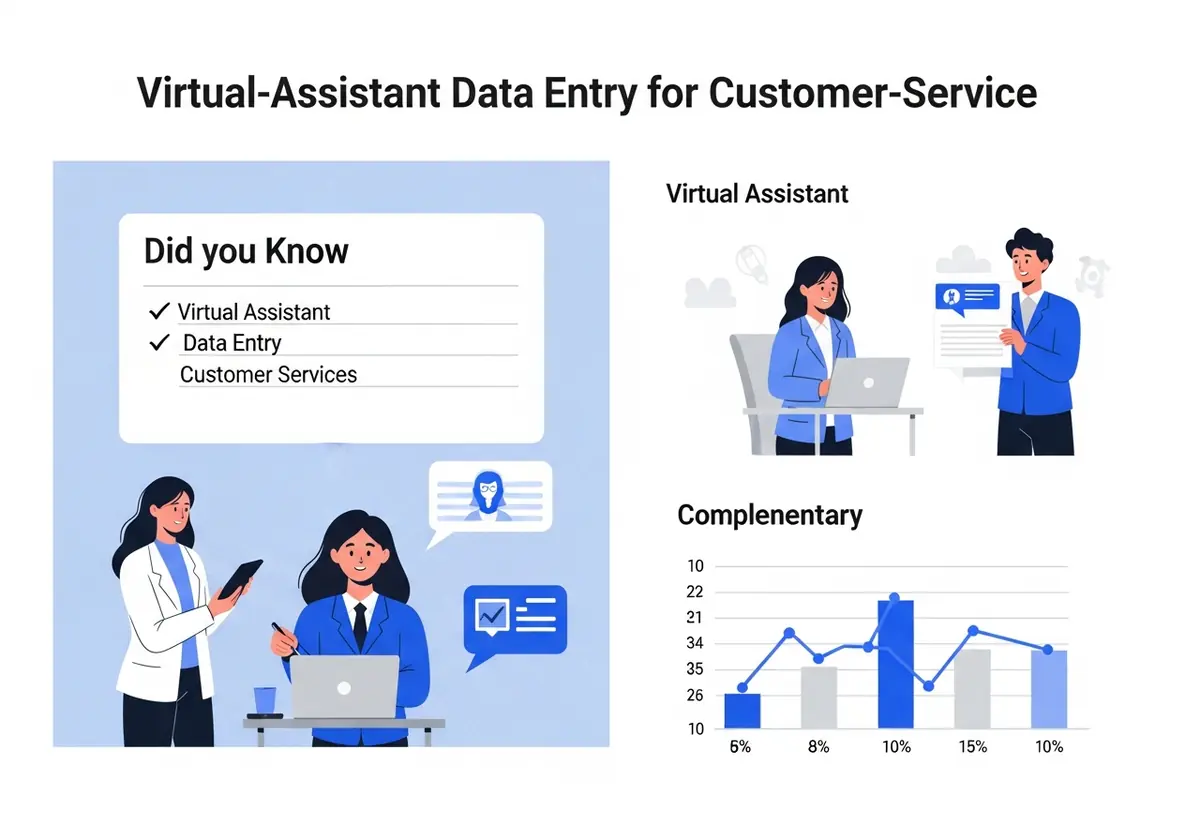
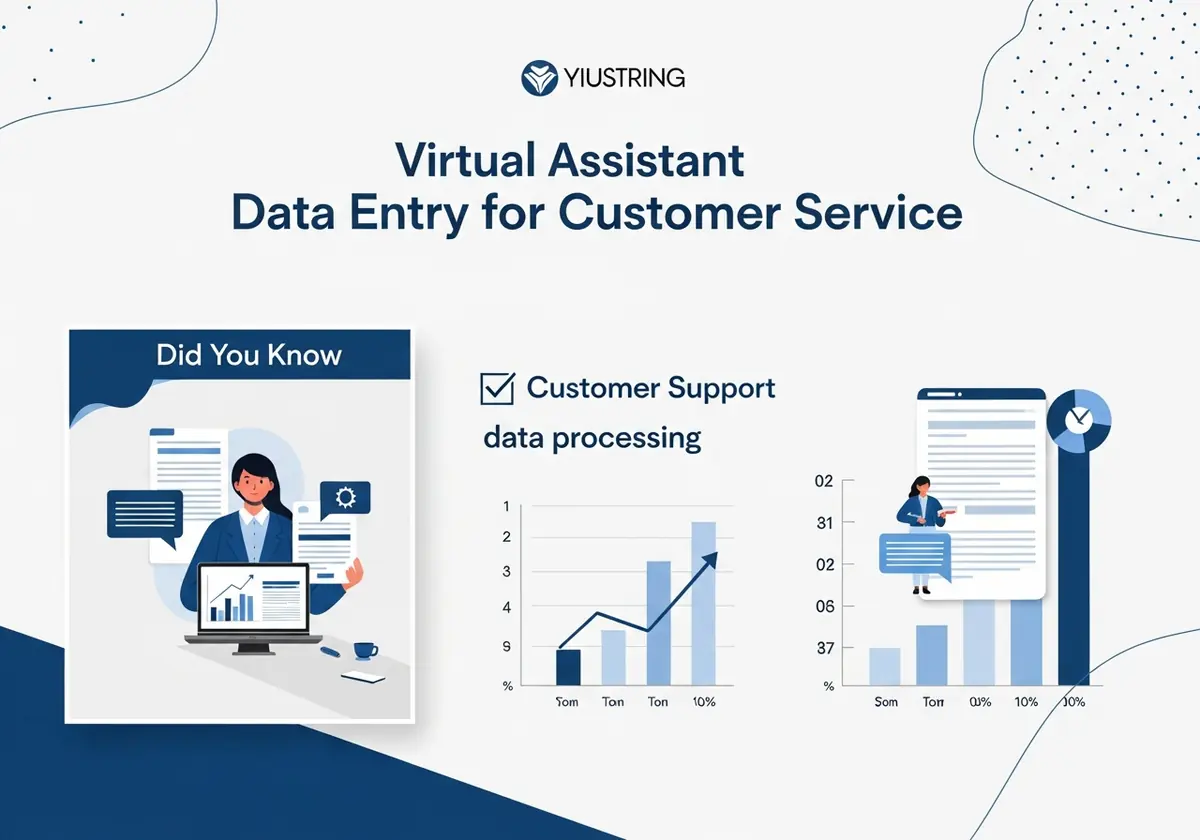
Did you know businesses can save up to 78% of their data processing time by utilizing virtual assistants?
This efficiency lets your team focus on what truly matters: engaging with and supporting your customers.
At Stealth Agents, we specialize in connecting you with high-quality virtual assistant data entry professionals tailored to your needs.
Book a free discussion today to explore your options and discover competitive virtual assistant pricing.
What Is Virtual Assistant Data Entry For Customer Service?
Virtual assistant data entry for customer service involves using digital tools and remote support to manage and organize customer-related information.
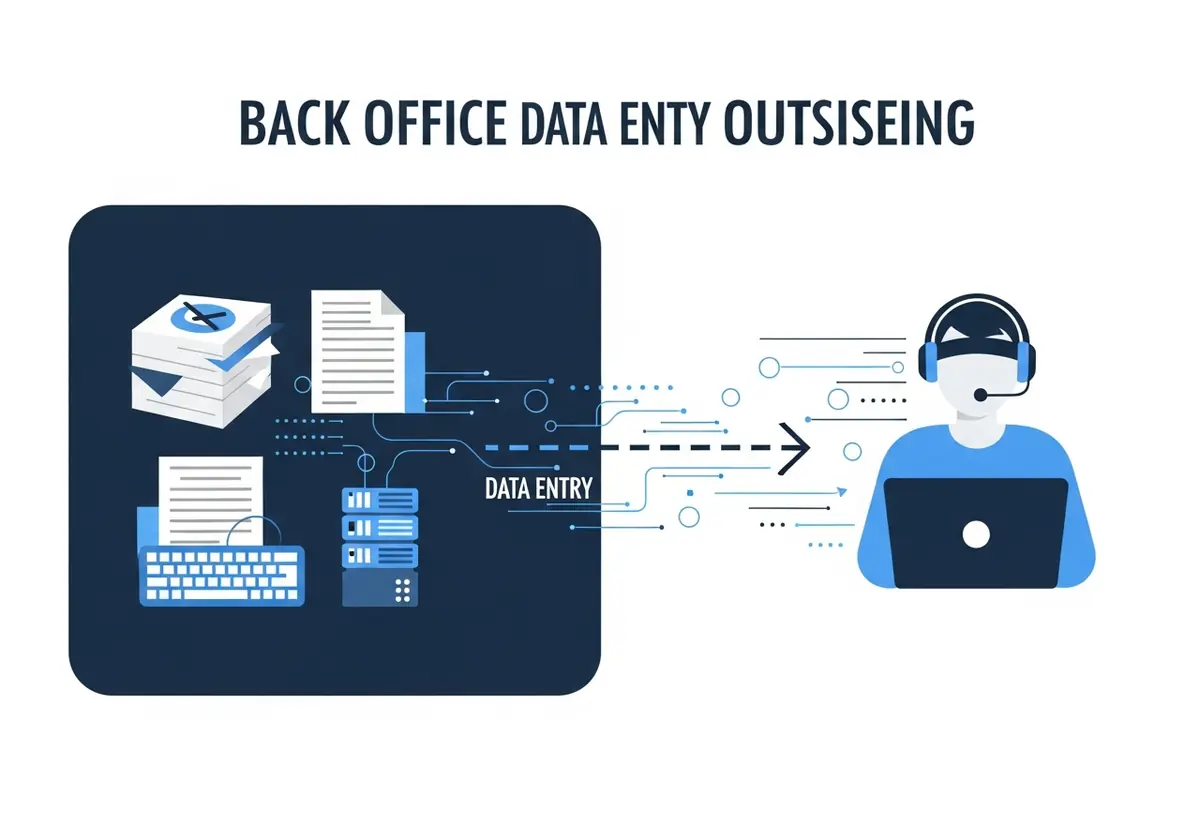
This process typically includes updating customer records, processing orders, and managing inquiries.
By handling these activities, virtual assistants allow in-house staff to focus on more complex customer interactions.
They ensure that data is recorded accurately and kept up-to-date, which is crucial for maintaining good customer relationships.
Virtual assistants can also help compile reports and look at customer feedback to give helpful information for business decisions.
Their role is essential in maintaining the flow of communication between the business and its customers.
By having virtual assistants manage data entry, companies can ensure that their customer service operations run smoothly and effectively.
How Are Data Entry Tasks Identified, Documented, and Delegated to Virtual Assistants?
The process of leveraging virtual assistants for customer service data entry is as streamlined as your morning coffee run, simple but essential for a productive day.
1. Pinpointing Key Tasks
The first step is to identify which data entry tasks can be taken off your plate. Common examples include updating customer profiles, inputting order details, managing inventory lists, or logging support tickets. Think of it as sorting your email inbox, what’s repetitive and time-consuming can usually be outsourced, freeing your in-house team to tackle customer conversations instead.
2. Creating Clear, Actionable Instructions
Once you’ve identified the tasks, it’s important to create step-by-step guidelines. This could be existing SOPs, flowcharts, or even a set of instructions in a Google Doc. Some businesses choose to record short Loom videos or provide annotated screenshots to ensure nothing gets lost in translation. Clear documentation guarantees that your virtual assistant knows exactly what’s expected on every repeat task.
3. Testing for Consistency
Before tossing your instructions over the fence, run a quick pilot with your virtual assistant. This “trial run” helps identify any areas that need clarification and ensures the results consistently meet your standards. It’s like a dress rehearsal, iron out the wrinkles before showtime.
4. Smart Delegation and Training
With the groundwork set, you’re ready to delegate. Virtual assistants are carefully matched to your workflow needs, ensuring seamless onboarding.
Training can begin right away using your established guidelines, with feedback loops in place to keep everything running smoothly.
What Tools and Technologies Do Data Entry Virtual Assistants Use?
To ensure accuracy and speedy handling of information, data entry virtual assistants rely on an impressive toolkit of digital resources. You’ll find them working seamlessly with cloud-based platforms like Google Workspace and Microsoft Excel, streamlining updates to customer records and orders with a few swift clicks.
For teams needing a bit more horsepower, virtual assistants leverage automation tools such as Zapier to connect, organize, and transfer information between different apps without missing a beat. They also tap into customer relationship management (CRM) systems—think Salesforce or HubSpot—to keep client data tidy and accessible.
When repetitive or high-volume tasks are on the agenda, spreadsheet macros and Optical Character Recognition (OCR) software come into play, making quick work of digitizing and sorting documents. Beyond these essentials, secure file management solutions like Dropbox or OneDrive are used to safeguard sensitive customer details and maintain compliance.
The result? Your data is always handled with precision and kept up-to-date, leaving your team free to focus on delivering five-star support.
What Is the Process Followed When Delegating Data Entry Tasks to a Virtual Assistant?
When you decide to delegate your data entry tasks to a virtual assistant, the process is designed to be straightforward and seamless—much like handing off your baton in a relay race so you can run faster toward your ultimate goal.
Here’s how it typically works:
-
Identifying Tasks to Delegate:
Start by pinpointing which data entry responsibilities can be assigned to your virtual assistant. This might include updating CRM records, processing orders, or managing customer inquiries—whatever tasks eat up your team’s precious time.
-
Sharing Step-by-Step Instructions:
If your business has established procedures, share clear, step-by-step documentation with your virtual assistant. This ensures they understand your preferred approach and follow it to the letter, keeping everything consistent.
-
Testing and Training:
Before launching fully, it’s wise to test the instructions and offer feedback. A short training period helps ensure tasks will be completed accurately from day one—and keeps surprises to a minimum.
-
Assigning and Aligning:
Once preparations are set, your virtual assistant is assigned the specific tasks. Good communication here helps ensure a smooth transition. If needed, extra training can help with unique software or internal tools (think Salesforce, Zendesk, or even the ever-classic Excel).
-
Leveraging the Right Tools:
Virtual assistants make use of the latest tools to optimize your workflow. Whether it’s automation for repetitive entries or cloud platforms for easy access, these tools help boost accuracy and speed.
-
Ongoing Feedback and Optimization:
The process isn’t one-and-done. Regular check-ins and updates allow you to assess performance, refine the process, and address any hiccups. Over time, steps can be streamlined for better efficiency—making the partnership even more effective.
-
Reliable Recordkeeping:
Every step, from initial task assignment to final data entry, is documented for reference. This ensures both you and your assistant are always on the same page—and tracking progress or backtracking issues becomes a cinch.
What Are The Benefits Of Virtual Assistant Data Entry For Customer Service?
Virtual assistant data entry offers numerous benefits for customer service by significantly reducing the workload on staff.
By taking care of tedious and time-consuming chores, like processing customer information and updating databases, virtual assistants allow customer service representatives to focus on more complex and personalized interactions with clients.
This results in fewer errors, as virtual assistants can meticulously handle data entry tasks with consistent accuracy.
By streamlining these routine processes, businesses experience smoother operations, enhancing customer satisfaction.
Customers receive quicker responses and more personalized attention, leading to a positive overall experience.
Additionally, virtual assistant data entry allows businesses to scale operations without hiring additional staff, ensuring cost-effectiveness and efficiency.
Ultimately, integrating virtual assistants into customer service functions allows companies to maintain high-quality service standards while managing resources more effectively.
To enhance efficiency, businesses can consider partnering with virtual assistant companies in the Philippines. These companies are experts in delivering precise and reliable data entry services tailored to customer service needs.
How Can a Virtual Assistant Help Eliminate Administrative and Payroll Concerns?
When you bring a virtual assistant on board for data entry, you free yourself from many of the headaches that come with managing traditional, in-house staff.
No More Administrative Headaches
With a virtual assistant, there’s no need to worry about providing office space, extra equipment, or managing schedules and time-off requests.
They work remotely, whether they’re based in bustling Manila or anywhere else in the world, so your operational resources remain focused exactly where you want them.
Simplified Payroll Process
Forget cumbersome payroll cycles, costly benefits packages, or navigating complex HR issues.
With a virtual assistant, you simply pay for the work completed, no extra overhead, no hidden costs, and no lengthy contracts.
This model is particularly beneficial for startups and growing businesses that need to remain agile while keeping expenses in check.
The ultimate result? You avoid the hassles that come with hiring and maintaining full-time in-house employees and instead tap into dedicated support whenever you need it without the long-term commitments.
By reducing these administrative and financial burdens, your team can concentrate on strategies that directly drive business growth and customer satisfaction.
Why Pay Only for the Work Done?
One standout advantage of hiring a virtual assistant for data entry is the flexibility to pay only for what you need, nothing more, nothing less.
Instead of locking yourself into full-time contracts or shelling out for unnecessary extras, you can customize a plan that suits your specific requirements.
This means you get efficient service without hidden costs or wasted resources.
Think of it like picking out your favorite treats at a pick-and-mix candy store: you pay for exactly what you choose, without any fillers.
By paying just for completed tasks or hours worked, you keep your budget in check and your operations lean.
This cost-effective approach is especially appealing for businesses looking to optimize spending while still getting quality, reliable assistance.
This model also makes it easy to scale, ramp services up or down as your needs change, without overburdening your bottom line. In short, you get great value and control, making agile growth a real possibility.
What Does Virtual Assistant Data Entry For Customer Service Offer?
1. Efficient Handling Of Customer Inquiries
Virtual assistant data entry for customer service allows precise management of customer inquiries.
These assistants can sort, categorize, and respond to queries, ensuring nothing is overlooked.
This systematic approach allows businesses to maintain a high level of service without the chaos of missed communications.
By effectively organizing customer inquiries, virtual assistants help maintain a smooth flow of information.
This means that every customer gets the attention they deserve. Plus, virtual assistants can handle multiple questions at once, reducing wait time.
This efficient handling translates into satisfied customers who feel valued and heard.
2. Accurate Data Management
One of the main perks of using virtual assistants for data entry in customer service is maintaining accurate, well-organized data.
Virtual assistants meticulously record and update customer information, ensuring databases are always current.
This accuracy is crucial for personalized customer service, allowing businesses to tailor interactions based on recent customer activity.
By maintaining up-to-date records, virtual assistants help businesses avoid mistakes that might upset customers.
Businesses can also extract valuable insights from customer interactions with reliable data management.
This can guide decision-making processes and improve overall service strategies. Accurate data handling also ensures compliance with data protection regulations.
3. Time-Saving Administrative Support
Virtual assistant data entry for customer service offers significant time savings for administrative tasks.
By taking over routine data entry duties through Philippines data entry services, virtual assistants are freed and give customer service reps more time to handle more challenging problems.
This delegation of tasks ensures that customer service teams can concentrate on delivering quality service without getting bogged down by paperwork.
Virtual assistants efficiently manage order processing, returns, and account updates.
This streamlining of operations reduces bottlenecks and enhances the overall service delivery process. The time you free up from doing admin work can be spent planning strategies and talking with customers.
Ultimately, this leads to a more productive and responsive customer service team.
4. Enhanced Communication Channels
Another critical offering of virtual assistant data entry for customer service is the enhancement of communication channels.
Virtual assistants can manage multiple communication platforms, including email, chat, and social media.
This multi-channel approach ensures that customers can reach out in their preferred way, improving accessibility.
By monitoring these channels, virtual assistants ensure that all messages are promptly addressed.
This proactive communication strategy helps in building stronger customer relationships and trust.
It also provides businesses with the flexibility to adapt to changing customer preferences.
Filipino virtual customer communicators thus play a crucial role in maintaining open and effective customer communication.
5. Support In Upscaling Operations
Virtual assistant data entry for customer service offers invaluable support when businesses seek to scale their operations.
As customer bases grow, managing data and interactions becomes increasingly complex, highlighting the essential role of a database management virtual assistant.
Virtual assistants provide the scalability to handle larger customer data volumes without compromising service quality.
They can quickly adapt to increased workloads, ensuring that service delivery remains consistent.
By taking on additional data entry tasks, top data entry virtual assistants allow customer service teams to focus on strategic growth initiatives.
This support is crucial for businesses looking to expand their reach while maintaining excellent customer service.
With virtual assistants, businesses can grow confidently, knowing their customer service operations can keep pace.
6. Comprehensive Activity Tracking and Compliance
Virtual assistant data entry for customer service also brings robust activity tracking and ensures strict compliance with data security standards.
With dedicated support, virtual assistants can systematically monitor and log every task handled within customer databases. This transparency means businesses enjoy a clear record of interactions and updates, reducing the chances of overlooked tasks or missing data.
Detailed activity logs not only help managers oversee daily operations but also simplify workflows by making it easier to audit customer interactions and process steps. Adhering to data integrity and security protocols—such as those established by international standards like ISO and GDPR—virtual assistants help companies safeguard sensitive information and maintain compliance.
By entrusting activity tracking and compliance duties to skilled virtual assistants, businesses can remain confident that customer data is protected and all records are up-to-date and traceable.
7. Careful Preparation and Review of Data Before Entry
Before any information makes its way into a customer database, virtual assistants take several important steps to prepare and review the data. This preparation helps prevent mix-ups or errors that could ripple through your business operations.
Virtual assistants begin by carefully gathering and organizing data from multiple sources—emails, forms, chat logs, and sales receipts. They combine and arrange this information, sorting it into the categories your business uses most. This systematic organization not only speeds up the actual data entry process but also reduces repeated checks for mistakes down the line.
Next comes a thorough review. Virtual assistants double-check the gathered information against its original source, making sure everything matches up. This comparison process helps weed out duplicate entries, spot typos, and address any inconsistencies before anything gets added to the database.
In short, these careful steps ensure that only accurate, actionable data reaches your systems—saving you headaches in the future and supporting a seamless customer service experience.
Why Choose Stealth Agents For Virtual Assistant Data Entry For Customer Service?
Stealth Agents is an excellent choice for virtual assistant data entry in customer service due to their commitment to reliability and precision.
Their team meticulously handles every detail, significantly reducing errors that can otherwise disrupt customer service operations.
This attention to accuracy helps maintain a smooth flow of information, which is crucial for addressing customer inquiries quickly and effectively.
Clients appreciate their dedication to maintaining high standards, resulting in increased customer satisfaction.
Stealth Agents also prioritize understanding each business’s unique needs, providing a tailored method that matches specific customer service objectives.
Their proven track record of delivering consistent and dependable service makes them a trusted partner for businesses looking to improve customer interactions.
With Stealth Agents, companies can focus on building solid relationships with their customers while confident that their data entry tasks are in capable hands.
Frequently Asked Questions
How can a virtual assistant help with customer service data entry?
A virtual assistant can handle repetitive tasks like updating customer records, logging interactions, processing orders, and managing tickets. This frees up your team to focus on more important tasks, improves accuracy, and ensures customer data is always up-to-date.
What should I look for when hiring a virtual assistant for data entry?
Hire someone with experience in customer service, strong typing skills, and knowledge of tools like Salesforce, Zendesk, or HubSpot. They should also understand data privacy rules and have good communication skills to ensure smooth collaboration.
How long does it take to get a virtual assistant up to speed?
Most virtual assistants can be trained in 5-10 business days. This includes setting up access, reviewing your processes, and practice sessions. If they already have experience in customer service, training may take less time.
How do virtual assistants keep customer data safe?
Reputable companies use secure systems like encrypted connections, VPNs, and activity monitoring to protect your data. They also require assistants to sign confidentiality agreements and follow strict data privacy rules.
Which businesses benefit the most from using virtual assistants for data entry?
Industries like e-commerce, healthcare, insurance, real estate, and SaaS benefit the most. These businesses often deal with high volumes of customer interactions and need accurate record-keeping and efficient order or ticket processing.
Can virtual assistants work during busy times or outside regular hours?
Yes, many virtual assistants are available during peak hours, weekends, and holidays. They can provide real-time support, such as logging live chat data, processing orders, and updating customer records as interactions happen.
What happens if a virtual assistant makes a mistake?
Good companies have systems in place to catch and fix errors quickly. They monitor performance, provide extra training if needed, and may offer free replacements if the assistant doesn’t meet your standards.
How do virtual assistants work with my current tools?
Virtual assistants can securely log in to your existing systems like CRMs, helpdesk platforms, or custom databases. They don’t require extra software and can be trained to use your tools effectively.
What kind of contracts are available for hiring virtual assistants?
Most companies offer flexible contracts, including month-to-month agreements or longer-term options like 3-6 months. Many also provide trial periods so you can test the service before committing.
Can virtual assistants handle multiple customer service channels at once?
Yes, experienced virtual assistants can manage data from email, live chat, phone calls, social media, and more. They ensure all customer interactions are logged accurately and consistently across platforms.
Takeaway
Getting a virtual assistant can help businesses do better with data entry or customer service tasks.
Virtual assistants can easily handle these tasks, giving you more time to concentrate on your business’s main parts.
By outsourcing or hiring a virtual assistant, you can ensure that your team is supported in managing workloads effectively and maintaining high service standards.
Stealth Agents is a trusted provider in this space, offering the opportunity for a free discussion to explore your specific preferences and pricing options.
This service can help tailor solutions that fit your business needs, ensuring you maximize your investment in virtual assistance.