Summarize This Article With AI :

Outsourcing telecommunication services is a smart way to reduce operational costs while improving communication efficiency. Stealth Agents makes it easy by providing expert telecom support that scales with your business needs.

In the ever-evolving world of business telecommunications, outsourcing can be a pivotal decision.


With the growing complexity of technologies and customer expectations, managing effective telecommunication in different communication situations using in-house services can be challenging.


Outsourcing these services can offer numerous benefits, from cost reduction to enhanced efficiency and access to advanced technologies.


If you’re considering a strategic move, here are the key aspects to consider and questions that may arise during your decision-making process.


Empower your productivity by outsourcing to Stealth Agents.


Schedule now and learn about our affordable pricing!

 Advantages of a Centralized Point of Contact for Telecom Administration

Having a centralized point of contact for your telecom administration is like having a reliable GPS for your business communications—you’ll always know where you stand and what direction to take next.

Here’s why that matters:


  • Streamlined Communication: No more bouncing between different teams or vendors for answers. With a single go-to person or team, resolving telecom questions, issues, and requests becomes faster and far less confusing.


  • Efficient Issue Resolution: All your telecom needs—whether it’s tracking down a stray invoice, requesting a service upgrade, or troubleshooting a technical hiccup—filter through one channel. This keeps everything organized and ensures nothing slips through the cracks.


  • Consolidated Oversight: By managing contracts, carrier inventories, and invoices in one place, you avoid duplication, spot cost-saving opportunities, and prevent overpaying for unused services. This level of oversight helps keep spending—and surprise charges—under control.


  • Strategic Telecom Management: Centralization enables easier negotiation of better rates, consolidation of services, and implementation of new technologies across your organization, regardless of your teams’ locations. Instead of untangling a web of providers, you get consistent, scalable support.


Developing a Cohesive Telecom Strategy for Today—and Tomorrow

Crafting a telecom strategy that addresses both pressing business needs and future growth isn’t a one-size-fits-all endeavor. It starts with taking stock of your current landscape.


Begin by mapping out your existing telecom services, contracts, and providers. This helps spotlight redundancies, gaps, and areas where consolidation could drive savings.


Centralize Your Administration

Assign a single point of contact or team responsible for managing your telecom needs. This ensures streamlined communication and makes it easier to track contracts, service levels, and billing across multiple providers—especially useful for businesses spanning different locations or regions.


Keep Tabs on Your Inventory

Knowing exactly what telecom assets, services, and carriers you’re using (and where) is key. An up-to-date inventory helps you avoid paying for unused or outdated services. More importantly, it reveals opportunities for upgrades and ensures you’re prepared to grow as business needs evolve.


Monitor Costs and Contracts

Don’t let invoices pile up unchecked. Regularly reviewing and auditing telecom invoices can uncover accidental overcharges or duplicate services. Many organizations lean on automated tools or third-party specialists for this task. Negotiating with carriers such as AT&T or Verizon when contracts are up for renewal can yield better terms and unlock volume discounts.


Plan for the Long Haul—with Flexibility

A forward-thinking strategy isn’t just about slashing costs today—it’s about leaving room to scale. Consider whether your existing infrastructure supports emerging tech or anticipated shifts in your industry. For example, cloud-based telecom solutions and unified communications platforms can help future-proof your setup, letting your business adapt quickly as needs change.


Taking these steps not only addresses your most urgent telecom needs but also positions your business for sustainable growth. Ultimately, a cohesive strategy isn’t about ticking boxes—it’s about building a reliable, cost-effective foundation that helps you seize new opportunities as they arise.


Oversight and Independence in Telecom Consulting

Depending on the nature of your partnership with a telecom consulting provider, maintaining a clear line of independence may be necessary—especially in highly regulated industries or sensitive projects.


In these cases, consultants may still work closely with your teams but will require direct supervision from your company’s senior management. This ensures unbiased recommendations and keeps your organization in the driver’s seat.


  • Some scenarios may even call for a “Chinese wall” approach, where consultants directly report to top leadership rather than middle management, safeguarding against any conflict of interest.


  • Regular check-ins, progress updates, and transparent reporting structures are wise practices to reinforce both effective collaboration and necessary independence.


What is Telecommunication Service Outsourcing?

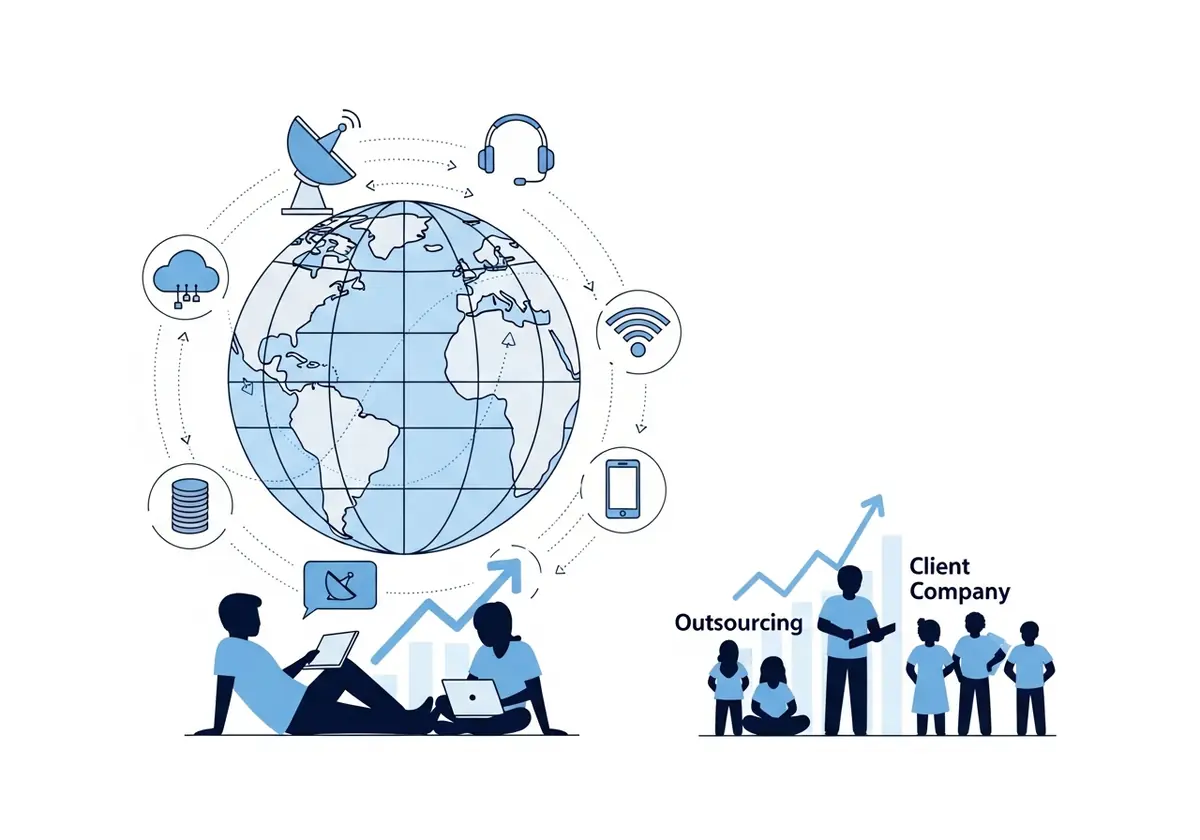
Telecommunication service outsourcing involves delegating various telecommunications functions and responsibilities to an external service provider.


This can encompass various activities, from basic communication operations to advanced services.


Typically, it includes managing voice and data communication, network management, maintenance of communication infrastructure, and handling customer service related to telecom operations.


What is telecommunication service outsourcing?

What is involved in the creation and maintenance of a telecom inventory?

Building and managing a telecom inventory involves more than just jotting down phone numbers or tracking devices. It’s about establishing a structured, up-to-date catalog of all telecommunication assets and services your business relies on—across every location.


A telecom inventory, when handled well, can offer real transparency and control over your communications environment. Key steps include:


  • Cataloging All Assets: Start by logging every circuit, line, device, cloud service, and software license in use. This means keeping tabs on everything from traditional landlines to mobile devices and VoIP systems, including any contracts or agreements with service providers like AT&T, Verizon, or BT.


  • Centralizing Records: Consolidate information into a single, accessible database. This could mean digital tools, spreadsheets, or telecom management software—whatever keeps the details clear and up-to-date for your team.


  • Tracking Changes: As your organization grows, so does your telecom setup. Inventory maintenance involves updating records as you add new services, disconnect old lines, upgrade bandwidth, or shift locations.


  • Monitoring Usage and Costs: Regular reviews help catch unused services, redundant contracts, or overcharges. This makes audits smoother and supports smarter negotiating during renewals with carriers.


  • Coordinating Orders and Upgrades: All new service orders, plan changes, and upgrades are logged in the inventory to keep the landscape current and prevent confusion.


  • Maintaining Accuracy: Routine audits—quarterly or annually—help verify that invoices match the inventory, closing the loop between accounts payable and your service agreements.


How can organizations maintain a carrier inventory, and why is it important?

Staying on top of your carrier inventory is the backbone of effective telecom management. Think of it as keeping a precise record of all telecom carriers, services, lines, and contracts your organization relies on—a digital dashboard that ensures nothing falls through the cracks.

Here’s why a well-maintained carrier inventory matters:


  • Visibility & control: By tracking every carrier and service you use—whether it’s Verizon, AT&T, Comcast, or local providers—you gain clear visibility into your operational landscape. This clarity means fewer billing surprises and improved decision-making.


  • Cost optimization: Regularly updating your inventory allows you to review contracts, identify redundancies, and spot unused services. It’s the fastest route to cutting unnecessary expenses.


  • Vendor management: An organized inventory streamlines negotiations and communication with providers. You’ll be better positioned to renegotiate terms, bundle services, or switch carriers confidently when needed.


  • Operational efficiency: With systematic documentation and proactive tracking, administrative headaches vanish. When an outage or service change comes up, you know exactly who to call and what’s at stake.


  • Supports compliance: Industries like healthcare or finance often face strict regulatory requirements regarding data and communication management. An accurate carrier inventory helps you stay audit-ready.


How do you keep your inventory up-to-date?

Set up standardized processes to review contracts, catalog services, and document every change. Consider using specialized telecom management software or outsourcing to experts with established best practices for record-keeping.


The result: less chaos, more control, and a telecom environment ready to flex and grow with your business.


What processes are involved in monitoring and consolidating telecom invoices across multiple locations?

Effectively managing telecom invoices across various locations is no small feat—it calls for structure and attention to detail.


Here’s how businesses typically tackle this challenge:


  • Tracking Telecom Assets: First, it’s important to maintain a current inventory of all telecom carriers, services, and devices across each business site. This helps prevent overspending and ensures nothing slips through the cracks.


  • Centralizing Invoice Collection: Telecom invoices from different office locations are collected and processed in a centralized system or platform. This centralization streamlines approval workflows and ensures timely payments.


  • Reconciling and Verifying Charges: Each invoice is carefully reviewed to verify that billed services match what’s actually being used at each location. Discrepancies, like incorrect charges or double-billing, are flagged for resolution.


  • Consolidation: After individual invoices are reviewed, the data is merged into comprehensive reports. This consolidated view makes it easier to assess company-wide telecom expenses and spot trends, savings opportunities, or potential inefficiencies.


  • Ongoing Monitoring: Regular audits, automated alerts, and analytics tools help businesses stay proactive—keeping telecom spending under control and uncovering ways to optimize their network and billing arrangements.


How can outsourcing achieve telecommunication?

Outsourcing can significantly enhance the efficiency and effectiveness of telecommunication services. Here’s how:

1. Here to Expertise:

Outsourcing companies specialize in telecommunication services and have a team of experts well-versed in the latest technologies and trends.


They can provide high-quality services that may be difficult to achieve in-house.


This expertise can help improve an organization’s overall quality of telecommunication.


2. Cost Savings:

Outsourcing can be more cost-effective than maintaining an in-house team.


It eliminates the need for recruitment, training, and maintaining an internal workforce, leading to significant cost savings.


Outsourcing also reduces the investment required in infrastructure, equipment, and maintenance.


This allows organizations to redirect their resources toward core business activities.

3. Focus on Core Business:

By outsourcing telecommunication services, companies can focus on their core business activities.


This allows them to allocate resources more effectively, enhancing overall business efficiency.


Companies can also avoid the hassle of managing telecommunication services and instead concentrate on their primary objectives.

4. Scalability:

Outsourcing provides flexibility in scaling operations up or down based on business needs.


This is particularly beneficial for businesses that experience seasonal fluctuations.


With outsourcing, organizations can easily scale their telecommunication services according to demand and avoid unnecessary expenses during slow periods.

5. 24/7 Support:

Most outsourcing companies provide round-the-clock services, ensuring continuous support and minimal downtime.


As a result, any technical issues can be resolved quickly, leading to higher customer satisfaction.


This also means that organizations can offer 24/7 customer service to their clients, improving their overall experience.

6. Risk Mitigation:

Outsourcing companies have robust systems and processes for managing risks associated with telecommunications, such as data breaches or network failures.


They have the expertise and resources to deal with emergencies, ensuring minimal service disruption.


This can help organizations mitigate potential risks and ensure business continuity.

Continuous monitoring of invoices and telecom assets further reduces the risk of unauthorized charges and service lapses.


By leveraging a comprehensive outsourced approach to telecommunication management—including strategic planning, invoice consolidation, centralized administration, and technical support—organizations can maximize efficiency, reduce costs, and stay focused on their core mission.


Integrating Telecom Management with Accounting and Finance Outsourcing

When companies look to streamline operations, integrating telecom management with outsourced accounting and finance solutions can yield impressive results.


Here’s how these solutions can work together seamlessly:


  • Unified Software Solutions:

Leading financial platforms like Bill.com or QuickBooks can sync telecom expense management directly with your accounts payable, ensuring communication costs are tracked and paid efficiently.


  • Consultative Approach:

Outsourced accounting teams can provide interim support to assess your telecom expenses, optimize cost structures, and suggest process improvements tailored to your business needs.


  • Consolidated Vendor Management:

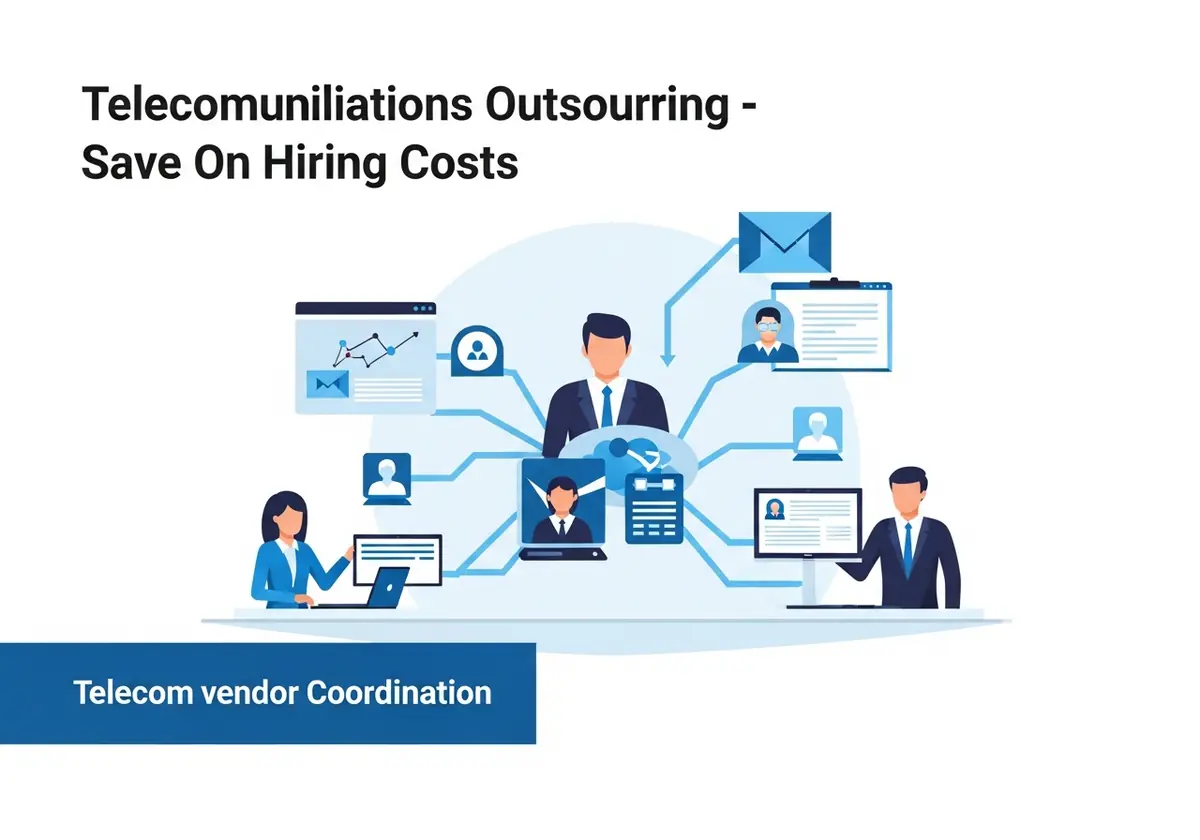
With both telecom and finance functions outsourced, companies benefit from a single point of contact to manage vendor contracts, invoices, and payments—simplifying reconciliation and budgeting.


  • Comprehensive Financial Reporting:

By integrating telecom data into your financial dashboards, you gain clearer visibility over telecom spending, making it easier to spot trends, avoid overages, and plan future investments.


  • Strategic Assessment:

A combined approach enables regular telecom and finance assessments to pinpoint inefficiencies and identify savings opportunities, ensuring your technology spend aligns with overall business goals.


How can telecommunication be achieved by outsourcing?

Where to outsource your Telecommunication Services?

Stealth Agents is a leading outsourcing firm that provides high-quality, efficient, and reliable telecommunication services.


With a team of seasoned professionals, Stealth Agents brings a wealth of expertise to the table, ensuring you receive top-notch services tailored to your business needs.

By outsourcing to Stealth Agents, you can significantly reduce operational costs while benefiting from their high-quality services.

Stealth Agents also offers scalability, allowing you to easily adjust the level of service based on your business needs. This flexibility makes them an excellent choice for businesses of all sizes and industries.

Moreover, Stealth Agents provides round-the-clock support, ensuring continuous, uninterrupted telecommunication services for your business. Their robust risk mitigation strategies also ensure your data is safe and secure.

If you’re wondering if you will outsource your telecommunication services, Agents are the top choice.


Where to outsource your Telecommunication Services?

How does the process of ordering, upgrading, or terminating telecom services work?

Outsourcing makes managing telecom services refreshingly straightforward and hassle-free.


Here’s what the process typically looks like when you need to order new services, request upgrades, or discontinue outdated lines:


  • Personalized Consultation: First, experts assess your current setup and future requirements. Through a detailed review, they’ll identify gaps or opportunities for improved efficiency, whether you want to add new connections, upgrade bandwidth, or retire legacy systems.


  • Carrier Comparison & Quote Sourcing: Your provider taps into a broad network of top carriers—think AT&T, Verizon, or CenturyLink—to obtain competitive quotes tailored to your organization’s needs. This ensures you get the best possible rate and service package.


  • Seamless Coordination: Once you select the right option, the provider handles all logistics. From drafting service orders to scheduling installations or cutovers, they coordinate directly with the carriers so you don’t have to.


  • Ongoing Oversight: After implementation, every change is documented in a central inventory system. This keeps your records up to date and eliminates the risk of unnecessary charges for unused lines you thought were long gone.


  • Centralized Support: If you run into any issues or need to make additional changes down the line, you have a single point of contact—no more bouncing between multiple vendors or waiting on hold.


How does the outsourcing provider stay innovative, and what improvements can they offer over time?

Outsourcing providers remain innovative and continually offer improvements through a variety of strategies.


Here’s how they remain leaders in technology and service delivery:


1. Investment in Research and Development

Outsourcing providers often invest heavily in research and development (R&D) to stay ahead of technological advancements and industry trends. This commitment to innovation allows them to continually refine their services and introduce new solutions that benefit their clients.

Improvements Offered: Advanced solutions in network management, newer and more efficient communication tools, and integration of the latest technologies, such as AI and IoT services, can help businesses.

2. Collaboration with Technology Partners

Many providers partner with leading technology firms and vendors to access or co-develop new technologies. These partnerships help them remain competitive and provide state-of-the-art solutions to their clients.

Improvements Offered: Access to cutting-edge tools and platforms that enhance communication efficiency and security.

Collaboration with Clients for Tailored Telecom Solutions

Collaborating closely with clients is key to developing effective telecom management practices.


Rather than simply adopting one-size-fits-all industry standards, leading outsourcing providers work hand-in-hand with each business to understand unique operational needs, growth targets, and pain points.


This partnership approach ensures solutions are specifically designed and refined to address real-world challenges, not just theoretical best practices.


By gathering direct input from clients, providers can:


  • Customize workflows and processes to match business goals


  • Adapt quickly to evolving requirements or sudden shifts in demand


  • Develop innovative practices that set new industry benchmarks


3. Continuous Learning and Training

Innovative outsourcing firms prioritize continuous learning and professional development for their teams. This involves regular training, certifications, and exposure to industry conferences and workshops, ensuring their staff knows the latest technologies and best practices.

Improvements Offered: Enhanced expertise and skills, leading to better service quality and innovative solutions for managing telecommunication needs.

4. Feedback Mechanisms

Outsourcing providers often establish robust feedback mechanisms to gather insights from their clients and end-users. This feedback is crucial for identifying areas for improvement and for developing new services that address businesses’ evolving needs.

Improvements Offered: Tailored services and improvements in customer service protocols to enhance user satisfaction.

5. Adaptive and Agile Methodologies

Outsourcing providers can adapt quickly to changes and incorporate new technologies or processes by adopting agile methodologies. This flexibility allows them to respond swiftly to new challenges and opportunities in telecommunications.

Improvements Offered: Faster implementation of new services, quick adaptation to regulatory changes, and personalized service offerings.

6. Fostering a Culture of Innovation

Some providers foster an internal culture of innovation where ideas are encouraged and rewarded. This might involve internal hackathons, innovation labs, and incentive programs for innovative ideas that improve services or processes.

Improvements Offered: Revolutionary approaches and telecommunications technologies that can offer clients strategic advantages.

7. Predictive Analytics and Data-Driven Strategies

Utilizing data analytics and predictive modeling, outsourcing providers can forecast trends and prepare strategies that preemptively meet the market’s future demands. This approach ensures that they can offer their clients solutions that are not just reactive but proactive.

Improvements Offered: Enhanced data security measures, improved network uptime, and more efficient resource management based on predictive insights.

How does the outsourcing provider stay innovative, and what improvements can they offer over time?

What are the services provided by telecom?

Telecommunications providers offer a wide array of services to cater to every call center virtual assistant, individual, and business need.


Here are some commonly provided services:

1. Voice Services:

This includes landline telephone services, mobile voice calls, and Voice over Internet Protocol (VoIP) services.


These allow users to call other phone numbers locally, nationally, and internationally.


Some providers offer additional features such as voicemail, call forwarding, and caller ID.

2. Data Services:

This includes internet access through various mediums such as broadband, DSL, cable, wireless, and satellite.


These services allow users to access the Internet and other online applications.


Providers may also offer data plans for mobile devices, allowing users to access the Internet on the go.


Stealth Agents review

3. Messaging Services:

This includes Short Message Service (SMS), Multimedia Messaging Service (MMS), and instant messaging services.


SMS and MMS allow users to send text and multimedia messages to other phone numbers. In contrast, instant messaging services like WhatsApp, Facebook Messenger, and iMessage enable users to communicate in real time over the Internet:

This includes video conferencing, video-on-demand, and IPTV services.


These services allow users to communicate face-to-face, access a library of on-demand video content, and stream live TV channels via the Internet.


The Internet has become increasingly popular recently, especially with the rise of remote work and virtual events.

5. Cloud Services:

Many telecom providers now offer cloud-based services, including data storage, backup, and Software as a Service (SaaS).


These services allow businesses to store and access their data securely on remote servers, eliminating the need for physical storage devices and reducing IT costs.


With the rise of remote work, cloud services have become more crucial than ever in ensuring seamless and efficient operations.

What are the services provided by telecom?

What is the cost of outsourcing telecommunication services?

Frequently Asked Questions

What types of businesses benefit most from telecommunication services outsourcing?

Small and medium-sized businesses, healthcare providers, financial firms, and companies with multiple locations benefit the most. Businesses that are growing quickly, don’t have in-house IT experts, or need 24/7 support find outsourcing especially helpful. Industries with strict rules, like healthcare and finance, also benefit from the security and management offered by outsourcing providers.


How long does it typically take to implement outsourced telecommunication services?

The time depends on how complex the setup is. Simple services like call center support can start in a few days, while bigger projects like network management or system upgrades may take 4-8 weeks. Most transitions are completed in 2-6 weeks, including checking current systems, setting up services, training staff, and connecting to existing tools.


What security measures do telecommunication outsourcing providers implement?

Good providers use strong security measures like encrypted data, secure networks, access controls, and regular security checks. They often follow SOC 2 standards, use advanced firewalls, provide secure VPNs, and have disaster recovery plans. Many also monitor for cyber threats and include protection as part of their services.


How do companies measure ROI when outsourcing telecommunication services?

Companies measure ROI by looking at lower costs, better service quality, less downtime, and improved staff productivity. Most businesses save 20-40% in the first year. Key metrics include how quickly calls are resolved, network uptime, lower IT staffing costs, and higher customer satisfaction. Positive ROI is usually seen within 6-12 months.


What happens to existing telecommunication contracts when outsourcing?

Outsourcing providers review current contracts and can help with early termination, transferring agreements, or improving terms. They often find ways to save money in existing contracts and handle vendor communication. Some providers manage current contracts while slowly moving to better, more affordable options.


Can telecommunication outsourcing providers handle international business communications?

Yes, many providers offer global services like international calling plans, VoIP for multiple countries, and worldwide network management. They provide language support, follow international telecom rules, and cover different time zones. Providers often work with global carriers to ensure smooth communication across countries.


What training do outsourced telecommunication teams receive for specific industries?

Providers train their teams on industry-specific needs like compliance rules, technical terms, and communication protocols. For example, healthcare teams learn HIPAA rules, and finance teams understand banking regulations. Training also includes customer service skills, using industry software, handling emergencies, and staying updated on new technologies and rules.


How do telecommunication outsourcing costs compare to in-house management?

Outsourcing costs 30-50% less than managing telecom in-house. This includes savings on salaries, benefits, training, equipment, and infrastructure. While hourly rates may seem higher, businesses save on hiring, software licenses, hardware upkeep, and the need for 24/7 internal staff.


What backup and disaster recovery options exist with telecom outsourcing?

Providers offer strong disaster recovery plans, including backup networks, cloud-based systems, and emergency response protocols. They can reroute calls to other locations, back up data, and quickly set up temporary communication systems during outages or emergencies.


Can telecommunication outsourcing integrate with existing business software and CRM systems?

Yes, most providers can connect with tools like Salesforce, Microsoft Teams, Slack, and other CRM systems. They offer API connections and custom setups to fit your current workflows. Integration includes features like call logging, automatic data updates, tracking customer interactions, and sharing information across your business tools.

Summarize This Article With AI :