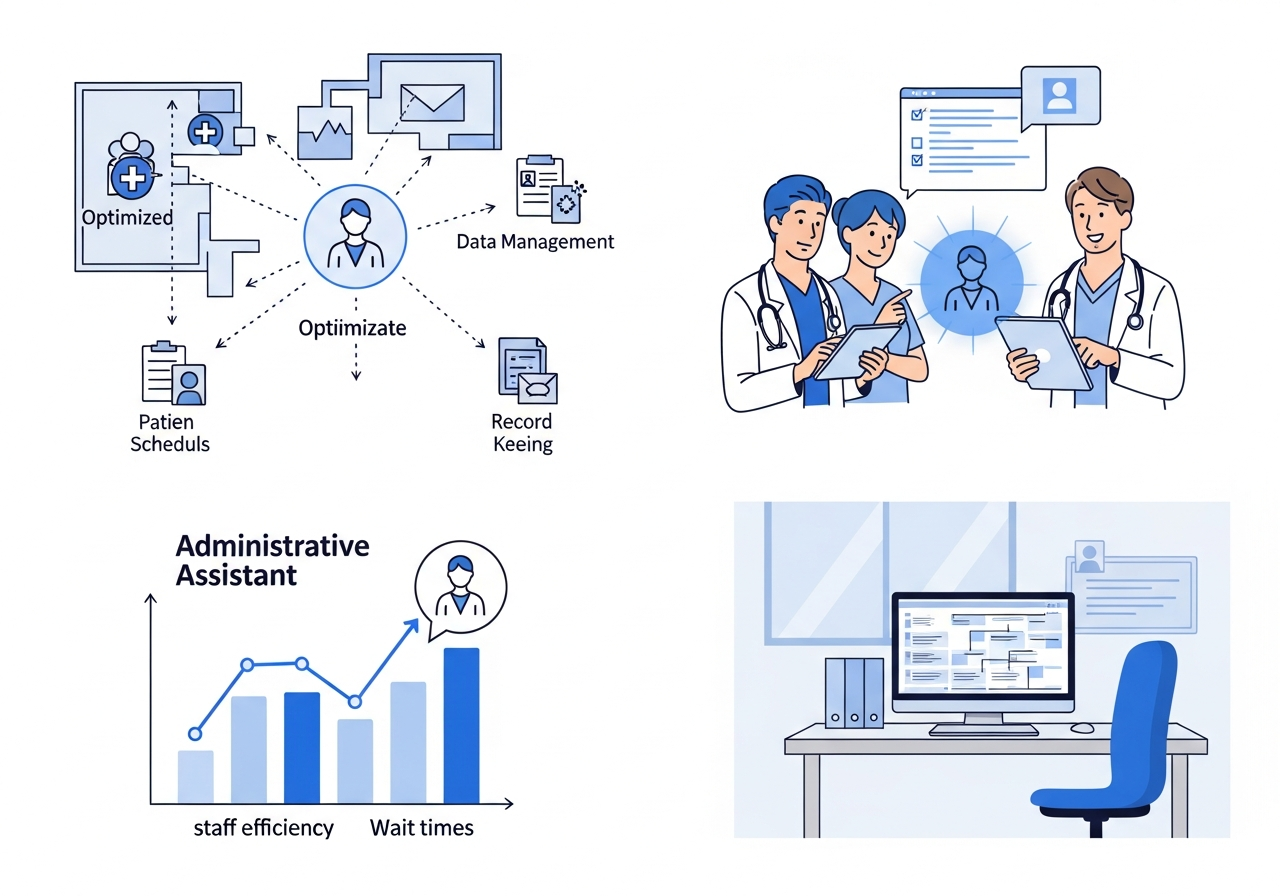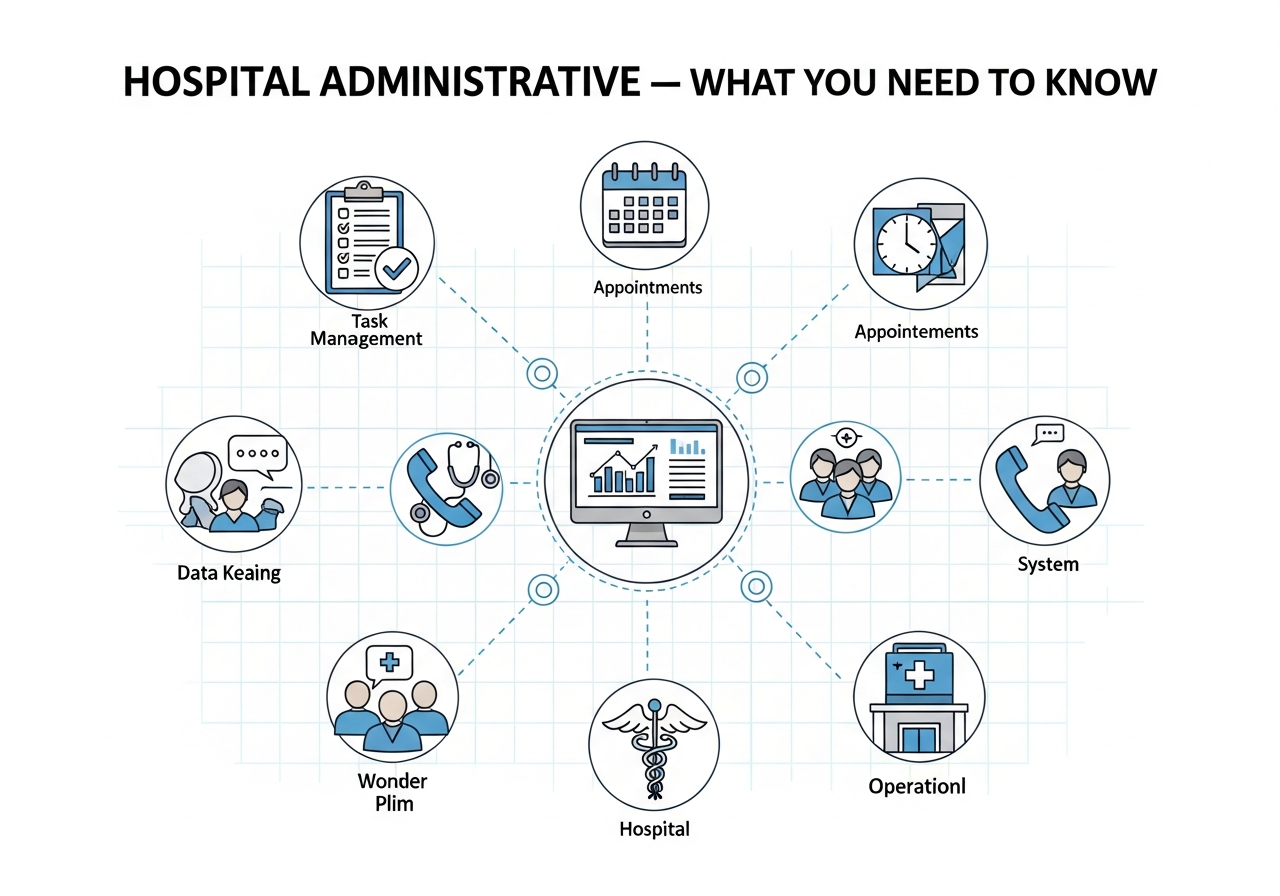
Hospital Administrative Assistant – What You Need to Know

Hospital Administrative Assistant | What to Know
Summarize This Article With AI :

Hospital administrative assistant support is crucial for reducing operational burdens and improving patient care efficiency. Stealth Agents provides skilled virtual hospital administrative assistants who handle scheduling, billing, and records—so your medical staff can focus on what truly matters: saving lives.

Healthcare leaders report that nearly 1 in 4 hospital managers spend at least 20 hours per week on administrative tasks and up to 40% of clinicians’ workdays are swallowed by paperwork, scheduling, billing, and documentation rather than patient care. These non-clinical duties not only increase costs through inefficiency but also contribute heavily to burnout among hospital staff and reduced quality of care. Hiring a specialized Hospital Administrative Assistant helps shift these burdens away, freeing clinical teams to focus on what matters most. With Stealth Agents, you can get reliable assistants who handle the admin load streamlining operations, reducing wasted hours, and improving patient outcomes.


Handling the day-to-day administrative tasks in a hospital can be overwhelming, but a hospital administrative assistant can make a huge difference.


Did you know that up to 16% of healthcare professionals’ time is spent on administrative duties, distracting them from patient care?


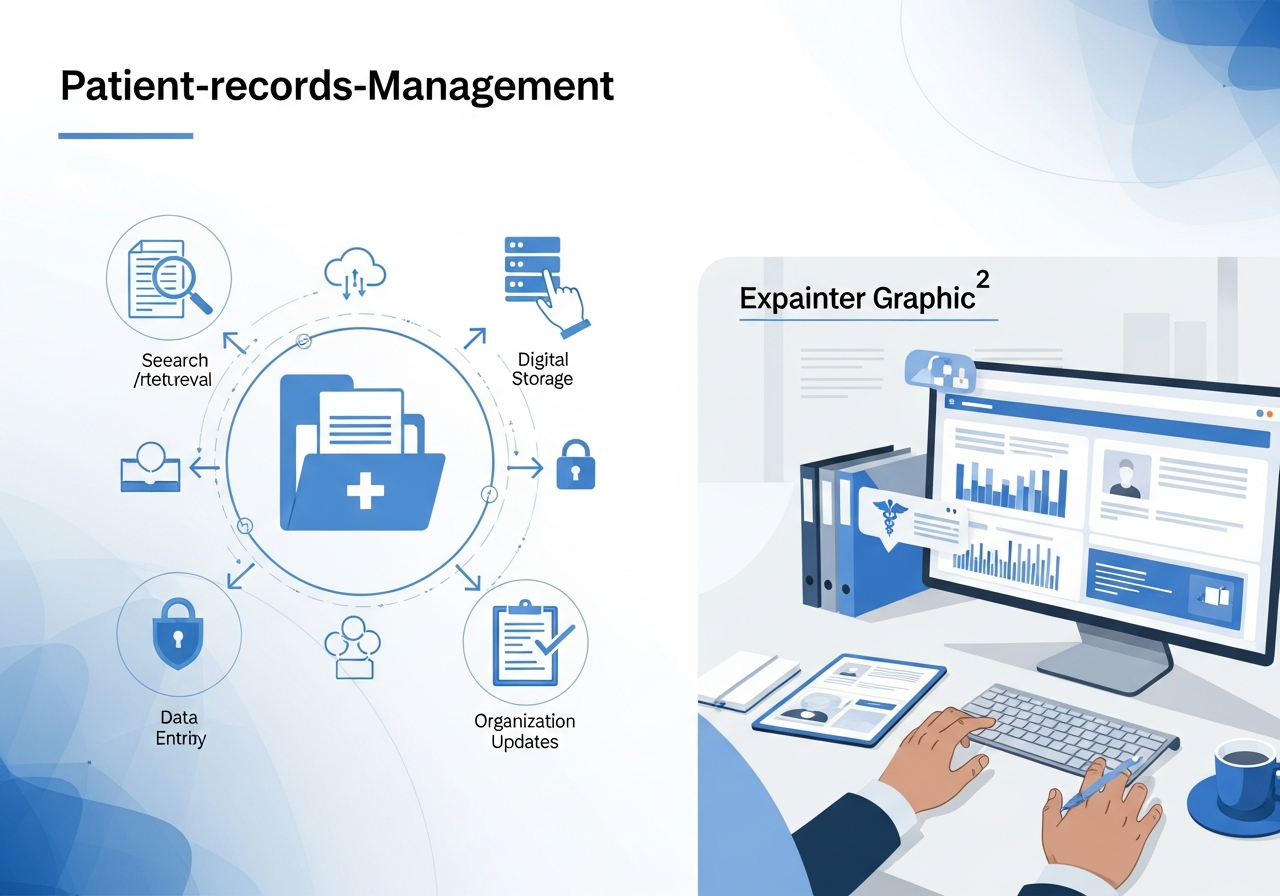
A skilled hospital administrative assistant keeps things running smoothly, managing patient records, scheduling, and more so that medical staff can focus on their patients.


If you want to improve your hospital’s efficiency, Stealth Agents can help you find or hire a hospital administrative assistant.


You can even book a free discussion about your needs and virtual assistant pricing.


What is a hospital administrative assistant?

A hospital administrative assistant is a crucial healthcare team member responsible for ensuring the smooth operation of hospital administrative tasks.


They handle various duties, including managing patient records, scheduling appointments, and coordinating between departments to streamline processes.


By taking on these responsibilities, medical staff can concentrate on patient care, enhancing the hospital’s overall efficiency.


Hospital administrative assistants often interact with patients and their families, providing essential information and support and contributing to a positive patient experience.


They are vital to maintaining the organized and efficient workflow necessary for high-quality healthcare delivery.


How Much Does Hiring a Hospital Administrative Assistant Cost?

Type of Assistant Average Hourly Rate Average Annual Salary Additional Costs Description
Entry-Level Administrative Assistant $15 – $20 $31,000 – $41,000 Training, onboarding Handles basic administrative tasks such as data entry, filing, and managing patient records.
Mid-Level Administrative Assistant $20 – $30 $41,000 – $62,000 Benefits, ongoing training Manages more complex tasks, including scheduling, billing, and department coordination.
Senior Administrative Assistant $30 – $40 $62,000 – $83,000 Advanced benefits, continued education Oversees high-level administrative functions, supervises junior staff, and ensures compliance with regulations.
Virtual Administrative Assistant $15 – $30 $31,000 – $62,000 Software subscriptions, communication tools Provides remote support handling scheduling, patient communication, and records management.

This table provides a comprehensive view of the costs of hiring a hospital administrative assistant, helping you make an informed decision based on your needs and budget.


The Role of a Medical Administrative Assistant in Billing and Insurance

A key responsibility of hospital administrative assistants is guiding patients through the often confusing world of billing and insurance. These professionals help patients understand their insurance coverage—what procedures and treatments are included, what may require additional approval, and what costs might ultimately be their responsibility.


Hospital administrative assistants also work directly with insurance companies such as AetnaBlue Cross Blue Shield, and UnitedHealthcare to process claims, resolve billing discrepancies, and ensure payment is accurate and timely. By serving as a bridge between patients, medical staff, and insurers, they help prevent costly errors and reduce frustration, supporting both the hospital’s bottom line and a positive patient experience.


What Skills Are Required to Be a Successful Medical Administrative Assistant?

Succeeding as a hospital administrative assistant takes a unique blend of practical knowledge and professional finesse. These team members juggle a wide range of responsibilities every day—and the ability to do so effectively depends on a strong set of both technical and interpersonal skills.


Key skills required include:


  • Fast and accurate typing: Hospitals run on information. Being able to quickly and precisely enter data or update records is essential to keep everything flowing smoothly.
  • Tech proficiency: Comfort with electronic health records (EHRs), spreadsheets, and word processors is a must, as administrative assistants work with these tools on a daily basis.
  • Medical coding knowledge: Understanding medical codes ensures accurate billing and straightforward record keeping—a critical part of minimizing errors and delays.
  • Excellent organizational skills: With constant patient interactions, shifting schedules, and high volumes of information, staying organized is non-negotiable. This role often requires multitasking without missing a beat.
  • Clear communication: Whether it’s relaying appointment details to patients or clarifying information for the care team, great communicators help everything run efficiently and eliminate confusion.
  • Empathy and customer service: Hospital administrative assistants are a point of contact for patients and families, answering questions, resolving concerns, and providing support with warmth and patience.
  • Attention to detail: Accuracy matters, whether updating patient charts, scheduling surgeries, or preparing insurance paperwork. A keen eye prevents costly mistakes and maintains compliance.


In short: A successful medical administrative assistant combines technological know-how, a knack for organization, and genuine compassion to create a seamless experience for both patients and hospital staff.


What Does a Typical Day Look Like for a Hospital Administrative Assistant?

A hospital administrative assistant wears many hats throughout their workday, ensuring that everything runs like a well-oiled machine behind the scenes.


Their day often begins before the first patient walks through the door. They’ll review the schedule, check for any last-minute changes, and make sure all voicemails or important messages are addressed. This early start gives them a head start on organizing appointments, prepping paperwork, and confirming that each department is in sync.


As patients arrive, hospital administrative assistants serve as a friendly, reliable point of contact—greeting everyone, helping with check-ins, and assisting with forms. They play a big role in making patients and families feel welcomed and informed.


Throughout the day, they manage records, answer calls, coordinate with medical teams, and handle the business side of things, like billing and scheduling follow-ups. This might include helping a patient understand their bill or quickly tracking down a lab result to keep care moving smoothly.


When the shift winds down, they ensure the front desk is tidy, inventory is stocked, and notes are handed off to the next shift. Depending on the hospital’s needs, their schedule might include evenings, weekends, or even overnight hours—keeping the hospital running 24/7.


Ultimately, a hospital administrative assistant is the backbone of daily operations, juggling multiple responsibilities so that the focus stays where it matters: on patient care.


Are Medical Administrative Assistants, Medical Receptionists, and Medical Office Assistants the Same?

While these titles—medical administrative assistant, medical receptionist, and medical office assistant—are often used interchangeably, there are some subtle differences in their roles within the hospital environment.


  • Medical Administrative Assistants typically take on a broader range of responsibilities, from managing patient records and coordinating schedules to supporting billing and assisting with departmental communication.
  • Medical Receptionists usually serve as the first point of contact for patients and visitors. They focus on greeting guests, answering phones, and handling appointment bookings, ensuring a welcoming front desk experience.
  • Medical Office Assistants often blend duties from both roles, helping with both administrative paperwork and front-desk reception, making them adaptable team players across various tasks.


Despite these distinctions, all three positions are essential in supporting medical staff and optimizing the patient flow within the hospital. The specific responsibilities may overlap depending on the size and needs of your facility, but each plays a unique part in keeping operations running smoothly.


What’s the Difference Between a Medical Administrative Assistant and a Clinical Medical Assistant?

While both roles are essential in keeping a healthcare facility running seamlessly, medical administrative assistants and clinical medical assistants focus on different aspects of patient support.


Medical administrative assistants are the organizational backbone of a hospital or clinic. Their main focus is on front-office duties—think managing appointments, welcoming patients, maintaining medical records, handling billing, and serving as the communication bridge between departments. Their expertise lies in ensuring everything runs efficiently behind the scenes, directly impacting the patient experience by eliminating bottlenecks and confusion.


On the other hand, clinical medical assistants are more hands-on with patient care. They assist doctors and nurses with tasks like taking vital signs, preparing patients for exams, collecting samples, administering injections, and updating clinical notes. Their close collaboration with healthcare staff means they play a critical role in the care patients receive during their hospital visit.


In summary:


  • Medical administrative assistants: Masters of scheduling, paperwork, and office coordination
  • Clinical medical assistants: Helpers in direct patient care, supporting doctors with clinical tasks


Both roles are indispensable. While administrative assistants keep the administrative engine running, clinical assistants help deliver the hands-on care that patients need most.


What Additional Skills or Courses Can Help You Succeed?

While formal training isn’t always required, building a strong foundation in key areas can give you a leg up in the medical administrative field.


Consider boosting your knowledge with courses in:


  • Medical terminology, so you can easily communicate with doctors and nurses (and not get lost in a sea of acronyms).
  • Medical billing and coding, which are highly valued skills in any healthcare setting.
  • HIPAA compliance training to protect patient privacy.
  • Basic computer skills (like Microsoft Office) and experience with electronic health records systems, such as Epic or Cerner.


Developing these skills early on not only makes you a stronger candidate, but also helps you hit the ground running once you’re on the job.


How Do Job Responsibilities for Medical Administrative Assistants Differ by Workplace Setting?

While all medical administrative assistants share a common goal—supporting seamless operations and patient care—their specific duties can vary widely depending on the workplace.


In Hospitals:
Roles tend to be more specialized and clearly defined. For instance, a hospital administrative assistant may focus strictly on tasks like maintaining patient records, scheduling surgeries, or updating information in electronic health systems. Each function is typically outlined in a detailed job description, allowing staff to work efficiently within established routines.


In Smaller Practices:
The pace and variety often shift. In private clinics or smaller healthcare practices, medical administrative assistants frequently wear multiple hats due to limited staff. In these settings, they might help with everything from front-desk reception to basic clinical tasks—sometimes even stepping in to check patient vitals or assist with insurance paperwork. The responsibilities are much more fluid, adapting to the immediate needs of the team and patients alike.


This flexibility means that administrative assistants in smaller practices have a wider range of skills and may handle a mix of both administrative and light clinical duties, while hospital-based assistants are likely to focus on specific operational areas. Either way, their support is essential for ensuring quality patient care and organized workflows.


Certification Requirements for Medical Administrative Assistants by State

Certification for medical administrative assistants isn’t universally required, but it can significantly boost your job prospects and professional credibility depending on where you live.


  • State-by-State Variations: Most states do not mandate certification to work as a hospital administrative assistant; rather, requirements are typically set by individual employers or healthcare systems. That said, obtaining a nationally recognized certification—such as the Certified Medical Administrative Assistant (CMAA) from the National Healthcareer Association (NHA)—is highly encouraged and occasionally required for specific hospital roles.
  • Common Certifications: Certifications like CMAACertified Administrative Professional (CAP), and the Certified Medical Manager (CMM) are widely accepted throughout the country, regardless of state. They demonstrate your understanding of medical terminology, records management, and healthcare regulations.
  • State-Specific Needs: Some states or hospital systems may have additional requirements for medical administrative assistants, particularly when roles require handling sensitive data or interacting closely with clinical staff. Always check local job listings to see if certification is listed as preferred or required.
  • Voluntary but Valuable: Even when not required by law, earning your certification can set you apart in competitive job markets. It’s also a step many pursue to gain a deeper understanding of healthcare administration policies and sharpen their professional skills.


If you’re considering certification, it’s a good idea to review the requirements in your state and the expectations set by employers in your target area. This proactive approach ensures you’re prepared and appealing to prospective hospital employers.


How do you find and apply for medical administrative assistant jobs?

Ready to take the next step toward a hospital administrative assistant career? Great news—there are plenty of opportunities out there.


Start your search by exploring popular job boards such as IndeedGlassdoor, and LinkedIn. Don’t forget to check the careers pages of local hospitals, clinics, and healthcare networks; many organizations list open positions directly on their websites.


When you find roles that interest you, take a little time to update your resume and highlight any medical office or administrative experience you have. Make sure to tailor your application for each position—employers value attention to detail and communication skills.


If you’re aiming for a standout impression, prepare for interviews by brushing up on common healthcare admin scenarios, and perhaps practicing with a friend or mentor.


By being proactive and organized in your job search, you’ll be well on your way to landing a medical administrative assistant position that suits your skills and interests.


What certifications are available for hospital administrative assistants?

If you’re considering a career as a hospital administrative assistant—or looking to hire one—professional certification can set candidates apart and ensure they’re equipped with essential skills.


One of the most recognized certifications in the field is the Certified Medical Administrative Assistant (CMAA), offered by the National Healthcareer Association (NHA). Earning the CMAA demonstrates competency in medical office procedures, patient communication, recordkeeping, and healthcare regulations.


Other notable options include:


  • Certified Administrative Professional (CAP) from the International Association of Administrative Professionals (IAAP), which covers broader administrative skills.
  • Certified Healthcare Administrative Professional (cHAP), which focuses on the unique environment of healthcare administration.


While certification is sometimes optional, it provides an extra layer of credibility—and many employers see it as a valuable asset. Whether required or not, these certifications show a strong commitment to professionalism and continued learning in hospital administration.


What Are the Steps to Become a Medical Administrative Assistant?

If you’re interested in a career as a hospital administrative assistant, you’ll be pleased to know the process is straightforward—much less time-consuming than most clinical paths in healthcare.


1. Start with a high school diploma or GED

This is your essential starting point. You’ll need a high school diploma or equivalent to be considered for most roles in hospital administration. While further education isn’t always mandatory, it does open more doors.


2. Complete relevant training or certification (optional but highly recommended)

Although not required everywhere, many candidates choose to enroll in medical administrative assistant programs offered by community colleges, trade schools, or online providers. These programs—ranging from a few months to two years—cover valuable topics like medical terminology, healthcare software, and patient billing systems.


You can also bolster your resume by gaining proficiency in core skills such as:


  • Medical records management
  • Appointment scheduling
  • Understanding healthcare privacy laws (like HIPAA)
  • Basic billing and coding


3. Earn professional certification (optional)

Credentials like the Certified Medical Administrative Assistant (CMAA) from the National Healthcareer Association (NHA) give you a competitive edge and demonstrate your commitment and capability to employers.


4. Apply for positions and launch your career

Polish your resume, highlighting your relevant education and any healthcare experience you may have. Look for openings on hospital websites, large healthcare networks, and major job boards. Don’t forget to prepare for interviews—emphasizing your organizational skills and passion for supporting patient care can help you stand out.


With these steps, you’ll be well on your way to becoming a valued member of a hospital’s administrative team—ensuring the back office runs as smoothly as your favorite TV hospital drama (but with far less scripted chaos).


Is Specialized Training or Certification Necessary to Become a Medical Administrative Assistant?

The path to becoming a hospital administrative assistant is refreshingly straightforward compared to many healthcare roles. While formal education beyond high school isn’t always mandatory, having a high school diploma or GED is typically the baseline requirement for entry-level positions.


Training and Education: Helpful, but Not Always Required

Though you can get started with just your diploma, many aspiring administrative assistants choose to pursue additional training. Short-term certificate programs—offered both online and at local community colleges or trade schools—can be completed in as little as three months to two years. These programs often cover practical subjects like medical terminology, patient communication, and billing procedures. Even if you decide not to enroll in a full program, brushing up on these areas can make your resume stand out.


Certification: An Optional Edge

Certification, such as the Certified Medical Administrative Assistant (CMAA) provided by the National Healthcareer Association (NHA), is not a strict requirement for most employers. However, getting certified can give you a competitive boost and demonstrate your commitment and knowledge in the field—especially valuable in more competitive hospital environments.


Gaining Experience and Finding Work

Once you’ve covered the basics—whether by getting trained, certified, or just jumping in—you’re ready to start job hunting. Polish up your resume, highlight any relevant skills or volunteer work, and explore listings at nearby hospitals, clinics, or even through specialty staffing agencies. The healthcare industry values initiative and a willingness to learn, so hands-on experience can be just as important as formal qualifications.


In summary: while specialized training or certification isn’t always necessary, pursuing them can significantly enhance your opportunities and confidence as a hospital administrative assistant.


What Education Is Required to Become a Hospital Administrative Assistant?

The journey to becoming a hospital administrative assistant is refreshingly accessible—making this a fantastic entry point into the healthcare field. At a minimum, candidates will need a high school diploma or GED to get started. While it’s possible to land a position with only this foundational education, pursuing additional training can open more doors and boost your confidence on day one.


Here’s what prospective hospital administrative assistants typically consider:


  • Postsecondary Education: Many community colleges and technical schools offer certificate or diploma programs tailored to medical administrative assisting. These programs can range from a few months to two years and often cover essential topics like medical terminology, office technologies, and healthcare regulations.
  • Helpful Coursework: Even if formal education isn’t a strict requirement, classes in medical billing, health information systems, and office communication can make your resume stand out. These subjects help you get up to speed with day-to-day hospital operations.
  • Certification (Optional, but Beneficial): While certification isn’t always a must, obtaining credentials such as the Certified Medical Administrative Assistant (CMAA) from the National Healthcareer Association (NHA) demonstrates your commitment and expertise to employers.


Bottom line: Start with your high school diploma or GED, consider specialized training for a competitive edge, and explore certification if you want to make a lasting impression in this vital hospital role.


What is the Importance of Hiring a Hospital Administrative Assistant?

1. Enhanced Patient Care:

Hiring a hospital administrative assistant allows medical professionals to focus more on patient care than on administrative tasks.


By managing patient records, scheduling, and communications, these assistants free up the time for doctors and nurses to attend to their patients’ needs directly.


This shift leads to higher patient satisfaction and improved health outcomes.

2. Improved Efficiency:

A hospital administrative assistant streamlines daily operations, ensuring everything runs smoothly and efficiently.


They handle vital tasks such as appointment scheduling, billing, and department coordination.


This efficiency reduces wait times and minimizes errors, enhancing the overall experience for staff and patients.

3. Cost Savings:

Hospitals can significantly reduce overtime costs and improve staff productivity by delegating administrative duties to a dedicated assistant.


Administrative assistants are more cost-effective than having highly trained medical professionals perform clerical work.


This strategic allocation of resources ultimately leads to financial savings for the healthcare facility.

4. Regulatory Compliance:

Hospital administrative assistants ensure healthcare facilities comply with various regulations and standards.


They keep meticulous records, manage documentation, and stay updated on regulatory changes.


This vigilance helps avoid legal issues and maintains the hospital’s accreditation status.

5. Enhanced Communication:

Effective communication is vital in a healthcare setting, and administrative assistants serve as a communication bridge between patients, medical staff, and departments.


They manage phone calls, emails, and patient inquiries, ensuring that messages are relayed accurately and promptly.


This role helps maintain a cohesive work environment and efficiently meets patient needs.


How Can Stealth Agents Help with Hiring a Hospital Administrative Assistant?

Stealth Agents makes hiring a hospital administrative assistant a seamless experience by offering top-notch virtual assistants to ensure your hospital runs smoothly.


Our assistants are carefully selected for their expertise and commitment to quality service. They ensure that all administrative tasks are handled efficiently.


Plus, we provide these high-caliber assistants at an affordable price, ensuring you get the best value for your investment.


With Stealth Agents, you can be confident that you’re getting the best support for your hospital’s needs. This allows your medical staff to focus on what they do best—caring for patients.


Takeaways

Hiring a hospital administrative assistant is essential for improving patient care, enhancing operational efficiency, and ensuring regulatory compliance. These professionals handle many tasks, from managing patient records to coordinating between departments, freeing up medical staff to focus on patient needs.


Those looking for a cost-effective solution should consider hiring a virtual assistant. Stealth Agents offers top-tier virtual assistants who bring quality, dedication, and affordability to your hospital’s administrative needs.


By choosing Stealth Agents, you ensure your facility runs smoothly and efficiently, leading to better patient outcomes and a more organized workplace.


Frequently Asked Questions

How can a hospital administrative assistant improve patient communication?

They help patients by organizing appointments, sending reminders, and making sure patients get clear information from doctors and nurses. They also keep patient records updated and help avoid misunderstandings, making the process smoother and more helpful for everyone.


What are the best practices for onboarding a hospital administrative assistant?

Start by training them on hospital rules, how to use health record systems, and ways to talk to patients. Introduce them to the team, explain their tasks clearly, and check in with them often to make sure they feel supported.


Why is time management important for a hospital administrative assistant?

Time management helps them handle many tasks like scheduling, billing, and keeping records. When they manage their time well, they can get things done faster, avoid delays, and help patients get better care.


How do hospital administrative assistants help with healthcare rules?

They make sure patient records are correct, follow privacy laws like HIPAA, and help train staff on the rules. By keeping everything organized, they protect patient information and help the hospital follow the law.


What role do hospital administrative assistants play in emergencies?

In emergencies, they help by keeping communication clear, organizing schedules, and making sure important resources are ready. Staying calm and organized helps the hospital run smoothly during tough situations.


How do hospital administrative assistants help save money?

They save money by organizing schedules better, avoiding mistakes in paperwork, and making sure billing is correct. This helps the hospital use its resources wisely and avoid wasting money.


What tools do hospital administrative assistants use?

They use tools like electronic health record (EHR) systems, scheduling software, billing programs, and communication apps. These tools help them keep patient information organized and make their work easier.


How can hospital administrative assistants make patients happier?

They make sure appointments are easy to book, answer questions clearly, and solve problems quickly. By helping patients feel cared for and informed, they build trust and make the experience better.


What career opportunities are there for hospital administrative assistants?

They can grow into roles like office manager, healthcare administrator, or operations coordinator. Gaining experience, learning new skills, and earning certifications can help them move up in their careers.


How do hospital administrative assistants handle patient feedback?

They listen to patient concerns, write them down, and work with the right departments to fix any problems. They also follow up with patients to make sure their issues are resolved, helping improve the care patients receive.

Summarize This Article With AI :

Table of Contents

Receive Virtual Assistants insights delivered weekly
Hire Top 1% Virtual Assistants
Hire 10+ Year Experienced Virtual Assistants
  • Hire Full Time Executive Assistants
  • 160 Working Hours Per Month
  • Includes Fully Dedicated Account Manager
  • Cloud Management + Mobile App
  • Industry Specific To Your Needs
  • Stealth Agent’s 100% Next Best Hire Guarantee
  • All Assistants Have 10+ Years Of Experience
  • 100% Money Back Guarantee If We Don’t Bring You The Next Best Hire In Your Company