Freelance Platforms vs. Stealth Agents: Which Is Better?

Freelance Platforms vs. Stealth Agents: Which Is Better?
Summarize This Article With AI :

Freelance platforms often leave businesses juggling unreliable talent and time-consuming hiring, but Stealth Agents simplifies this by providing expertly managed virtual assistants ready to support your growth. With Stealth Agents, you get seasoned professionals handled end-to-end, so you can focus on scaling your business confidently and efficiently.

The global freelance economy has surged past $1.5 trillion, with millions of businesses relying on platforms like Upwork and Fiverr for flexible talent. Yet, 47% of companies report challenges in managing quality, reliability, and communication with freelancers.

That’s where Stealth Agents sets itself apart—offering fully managed, pre-vetted virtual assistants who ensure consistency, accountability, and long-term results. For businesses seeking dependable support rather than short-term gigs, Stealth Agents delivers a smarter, more stable outsourcing solution.

Outsourcing work has never been easier, but choosing the right solution is still a major challenge. With so many virtual assistant platforms and freelance sites like Arise, Upwork, and Fiverr available, businesses are flooded with choices.


The problem is that most of these platforms only connect you with freelancers. You’re still responsible for screening candidates, handling communication, managing onboarding, and keeping everything on track. If you’re dealing with tight deadlines or sensitive tasks, that level of risk can cost you time and money.


If you’re looking for a proven virtual assistant package that delivers consistent, business-ready results, you may need more than just a platform. In this article, we’ll compare freelance platforms with Stealth Agents, a fully managed service built for businesses that value performance and peace of mind.


Let’s explore the pros and cons and find out which option truly fits your business needs in 2025.

How Virtual Assistants Make Life Easier for Entrepreneurs, Small Businesses, and Busy Professionals

Not sure whether a virtual assistant is worth it for your business? Think of a virtual assistant as the ultimate productivity partner—whether you’re an entrepreneur juggling too many hats, a small business owner racing against the clock, or a professional whose to-do list grows faster than coffee disappears from the office kitchen.

Here’s how a skilled virtual assistant can move the needle:

  • Reclaim Your Time: Hand off routine tasks like inbox management, meeting scheduling, research, and data entry. That means less late-night admin work and more time for strategic decisions (or, let’s be honest, a well-deserved lunch break).


  • Boost Productivity: Virtual assistants can run point on everything from social media updates to client follow-ups. With your digital helper handling the background work, you get to focus on revenue-driving initiatives.


  • Extra Bandwidth—Minus Overhead: Hiring a full-time employee isn’t always in the cards. A VA gives you the flexibility to scale support as projects come up—no need for another desk or expensive benefits package.


  • Business Continuity: Need someone to swoop in during busy seasons or while you’re on vacation? A VA keeps operations humming, so nothing slips through the cracks.


Whether you’re working with Upwork, Fiverr, or exploring managed solutions, the real benefit comes down to having a reliable partner who helps you do more with less stress.


What Are Freelance Platforms? 10 Examples You Should Know

Freelance platforms are online marketplaces that connect businesses with independent professionals across a wide range of services. From design and writing to customer support and virtual assistance, these platforms offer flexibility, but they also require hands-on management.

Virtual assistants—one of the most popular categories on these platforms—provide administrative, technical, or creative assistance to clients remotely. Typical tasks include email management, scheduling, data entry, social media management, and more.


This means you can find specialists for just about any business support need, but you’ll need to be prepared to coordinate and oversee their work directly. Here are 10 well-known freelance platforms and how they operate:

Key Skills Every Successful Freelancer Needs

Stepping into the world of freelancing isn’t just about mastering your craft—it’s about wearing many hats with confidence and professionalism. If you want to stand out from the crowd and deliver results businesses trust, here are the core skills you’ll need on your toolkit:

  • Self-Motivation and Discipline
  • No boss is peering over your shoulder—so consistent self-direction is non-negotiable. Freelancers must manage their schedules, set priorities, and push projects forward, even when distractions are just a click away.


  • Clear Communication
  • Whether you’re negotiating terms, clarifying deliverables, or updating clients on project status, strong written and verbal communication skills are vital. Misunderstandings can easily spiral into delays, so clarity is key.


  • Time Management
  • Juggling multiple clients or projects? The best freelancers excel at organizing their time—meeting deadlines without burning out.


  • Marketing Know-How
  • From setting up a killer LinkedIn profile to crafting pitches that land gigs, freelancers need to showcase their expertise and build an online presence that attracts the right clients.


  • Adaptability and Ongoing Learning
  • The freelance landscape is always shifting. Staying current with new technologies, industry tools, and trends—be it AI-powered platforms or the latest design software—keeps you competitive.


  • Financial Savvy
  • Handling invoices, tracking expenses, and planning for taxes isn’t always glamorous, but it ensures you keep more of what you earn and avoid unwelcome surprises.


  • Organizational Skills
  • Managing project details, client feedback, and document versions often lands on your plate. A knack for organization streamlines your workflow and impresses clients.

When you bring all these skills together, you’re much more than a task-doer. You become a trusted partner businesses depend on for flexibility and flawless execution.


With this foundation in mind, let’s take a quick tour through some of the most popular freelance platforms and how they stack up for both businesses and pros seeking their next opportunity.

Here are 10 well-known freelance platforms and how they operate:

1. Upwork

Upwork is one of the largest freelance platforms, known for its structured approach to hiring. Clients post jobs, freelancers submit proposals, and both parties collaborate through built-in tools like time tracking and milestone payments. It’s ideal for long-term projects or ongoing roles such as virtual assistants, but managing proposals and interviews can be time-consuming.

2. Fiverr

Fiverr focuses on gig-based services, allowing freelancers to list predefined offerings that clients can purchase instantly. It’s popular for fast, creative tasks like graphic design or copywriting. However, because pricing starts low and talent is unfiltered, quality can be inconsistent, depending on your budget.

3. Freelancer.com

Freelancer.com uses a bidding system where freelancers compete for client projects. It offers a wide range of services, but the quality and professionalism of applicants can vary. Clients often receive dozens of proposals within minutes, making it overwhelming to sort through options without clear filters.

4. PeoplePerHour

This UK-based platform emphasizes hourly work and allows freelancers to pitch on projects or sell pre-set services. It features a rating system and a dashboard for managing deliverables. While it has a strong creative and digital services base, it’s smaller in scale compared to platforms like Upwork or Fiverr.

5. Toptal

Toptal positions itself as a premium platform that connects clients with the top 3% of freelancers. Its rigorous screening process ensures high-quality talent, especially in tech, finance, and design. However, the cost is significantly higher, making it better suited for enterprises or funded startups rather than small businesses.

6. Guru

Guru offers a straightforward interface for posting jobs and receiving freelancer quotes. It caters to a wide range of industries and supports team collaboration through WorkRooms. Although the platform offers valuable management tools, its freelancer pool is smaller and less competitive compared to other major platforms.

7. FlexJobs

FlexJobs focuses on remote and flexible work opportunities, including freelance, part-time, and full-time roles. Unlike other platforms, it charges a subscription fee to job seekers, which helps reduce spam and improve the quality of listings. It’s great for companies seeking reliable remote professionals, but it functions more like a job board than a managed service.

8. 99designs

This platform is tailored for design work and operates mainly through creative contests. Clients describe what they need, designers submit entries, and the client picks their favorite. It’s a unique model for branding or logo work, though it’s less suitable for ongoing or collaborative projects like virtual assistant support.

9. Truelancer

Truelancer is popular in emerging markets and offers a cost-effective option for businesses on a budget. The platform supports short-term gigs and long-term contracts across multiple categories. While it’s affordable, quality control and platform tools may not match those of larger competitors.

10. Arise

Arise is often cited as one of the original platforms for virtual call center and customer service work. It connects businesses with agents who work remotely from home, using the Arise infrastructure. While it provides access to support agents, the platform model shifts most responsibility—training, scheduling, and tech setup—onto the worker, which can create inconsistencies in service delivery.

The Limitations of Freelance Platforms

While freelance platforms offer flexibility, they also introduce significant challenges that can affect productivity, consistency, and long-term results. Here’s a breakdown of the most common issues businesses face.

Freelance Platform Limitations Table

Limitation Description
Time-Consuming Hiring Finding qualified help like a freelance technology writer often requires reviewing dozens of proposals and negotiating terms. There’s no guarantee you’ll find the right fit on the first try. This process can eat up hours that would be better spent on higher-level business decisions.
Inconsistent Quality Talent ranges from beginner to expert. Whether you’re hiring for creative design freelance work or analytics, quality is unpredictable. Even top-rated freelancers may deliver inconsistent results without direct supervision or clear systems in place.
Lack of Accountability Freelancers work independently, making it hard to enforce timelines or monitor performance, especially across time zones. There are no built-in systems to track deliverables or ensure standards are met. If they disappear mid-project, you’re left without recourse or replacement.
High Turnover Risk Many freelancers juggle multiple clients or leave without notice, which can disrupt ongoing projects like chatbot development platforms. When this happens, businesses have to start from scratch. The lack of continuity makes it challenging to scale processes or delegate with confidence.
Short-Term Focus Most platforms are designed for project-based tasks, not ongoing support. Virtual assistant packages or roles requiring daily coordination don’t fit well into this model. Freelancers typically aren’t trained to integrate into your team or adapt to long-term workflows.
Platform Fees Add Up Service charges and transaction fees increase your actual cost, especially when managing multiple freelancers or complex projects. These fees are often hidden until checkout or invoicing. Over time, they can significantly reduce the ROI of outsourced work.
No Industry Matching Platforms rarely match freelancers based on industry. If you’re in a niche space, finding the right fit (like a freelance tech writer) takes time. You may need to educate each hire about your market, tools, and terminology, which can lead to delays and inconsistent results.
Do-It-Yourself Management You’re responsible for onboarding, setting goals, and tracking performance, turning outsourcing into more project management work. There are no standardized systems, so you must build your own processes. This can offset the very time savings outsourcing is meant to provide.


Why Stealth Agents Is a Better Alternative

Freelance platforms can help you find talent—but they also place the responsibility of hiring, onboarding, training, and managing directly on your shoulders. That works for small, one-time tasks, but when your business demands reliable support that scales, the DIY approach starts to break down.

Understanding the Difference: Freelancers vs. Virtual Assistants

Before diving into solutions, it’s important to clarify the distinction between freelancers and virtual assistants.


 Freelancers are self-employed professionals who offer specialized services—think writing, design, programming, or consulting—usually on a project-by-project basis. Their expertise and scope can vary widely, making them a fit for everything from one-off logo design to ongoing software development.


Virtual assistants, on the other hand, are remote professionals who focus on providing administrative, technical, or creative support. Their bread and butter includes tasks like email management, scheduling, data entry, and social media management.


While some virtual assistants may work in a freelance capacity, not all freelancers function as virtual assistants. The key difference? Virtual assistants are built for ongoing, integrated support—ideal for businesses needing daily coordination, continuity, and a true extension of their in-house team.

Stealth Agents eliminates that complexity by offering fully managed virtual assistant packages with seasoned professionals, built-in structure, and a support team dedicated to your success.

Freelance Platforms vs. Stealth Agents

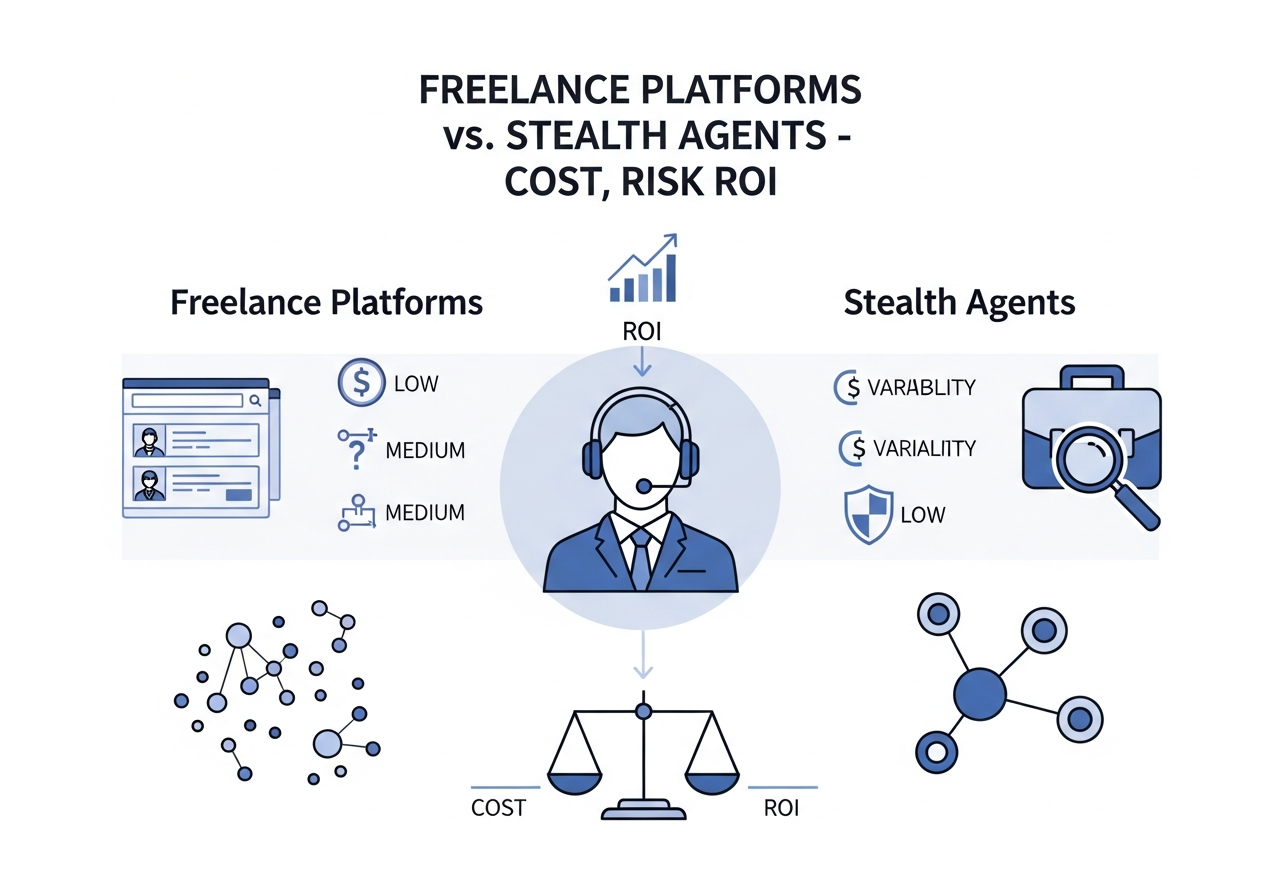
Feature Freelance Platforms Stealth Agents
Experience Level Varies widely (from beginners to mid-level) 10–15+ years of professional VA experience. Our VAs bring real-world knowledge, not just platform reviews. This ensures better performance with less supervision.
Account Management None or limited to platform support Dedicated account manager for hands-on assistance. You get a real person who oversees setup, task flow, and performance—so nothing falls through the cracks.
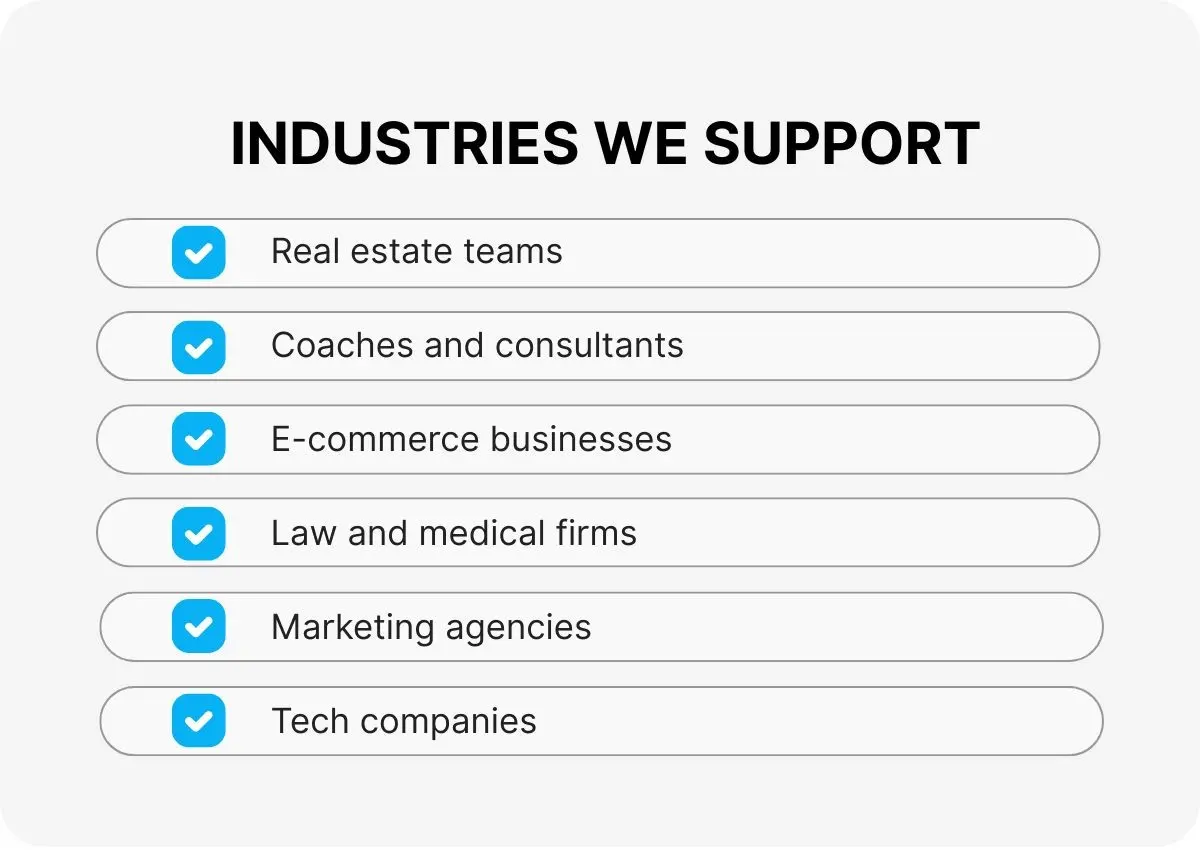
Industry-Specific Support Generic freelancer listings VAs are trained for industry-specific tasks. Whether you’re in healthcare, real estate, or e-commerce, your VA is matched with relevant background and skills.
Onboarding & Training Client-managed onboarding Done-for-you onboarding and SOP integration. We train VAs on your tools and workflows from day one—no back-and-forth emails needed.
Performance Monitoring Client responsibility Internally managed VA oversight and reporting. We handle QA, reporting, and feedback so your VA stays aligned with your goals and standards.
Security & Tools Basic platform messaging Secure cloud-based platform (mobile & desktop). Your VA operates on encrypted systems to protect sensitive data and ensure compliance.
Scalability Manual freelancer sourcing Easily scalable VA support, from 1 to full teams. Scale your operation without restarting the hiring process or juggling multiple freelancers.
Continuity & Retention High freelancer turnover Stable long-term VA assignments with low turnover. We prioritize retention, so you don’t waste time retraining new talent every few months.
Focus Areas General marketplace services Specialized services: admin, marketing, lead gen. Our VAs are trained in the most in-demand business support functions—ready to deliver results.
Ideal For Short-term, task-based needs Businesses seeking long-term, reliable support. If you value consistency, professionalism, and growth-ready systems, we’re built for you.

Final Thoughts: Freelance Platforms or Stealth Agents? Choose What Works

Freelance platforms have their place. They offer flexibility, fast access to talent, and low-cost solutions for short-term tasks. But as your business grows, so do your needs, and that’s where the limitations begin to show.

Managing freelancers on platforms can be unpredictable, time-consuming, and inefficient when you’re trying to build long-term systems. You’re stuck handling hiring, onboarding, and performance, all while hoping you picked the right person.

Stealth Agents offers a more innovative alternative.

Instead of sorting through profiles and hoping for results, you get a fully managed virtual assistant package backed by a professional team, years of experience, and industry-specific know-how. From day one, your VA is trained, supported, and ready to work using our secure mobile and desktop platform.

Stop gambling on platforms. Start scaling with confidence.
Book your free discovery call with Stealth Agents and get matched with a VA built for your business.

Summarize This Article With AI :

Table of Contents

Receive Virtual Assistants insights delivered weekly
Hire Top 1% Virtual Assistants
Hire 10+ Year Experienced Virtual Assistants
  • Hire Full Time Executive Assistants
  • 160 Working Hours Per Month
  • Includes Fully Dedicated Account Manager
  • Cloud Management + Mobile App
  • Industry Specific To Your Needs
  • Stealth Agent’s 100% Next Best Hire Guarantee
  • All Assistants Have 10+ Years Of Experience
  • 100% Money Back Guarantee If We Don’t Bring You The Next Best Hire In Your Company