
Updated Mar 5, 2026
Studies show that 73% of businesses that use financial outsourcing services reduce their accounting costs by more than half within the first year.
Are you spending too much time on bookkeeping instead of growing your business?
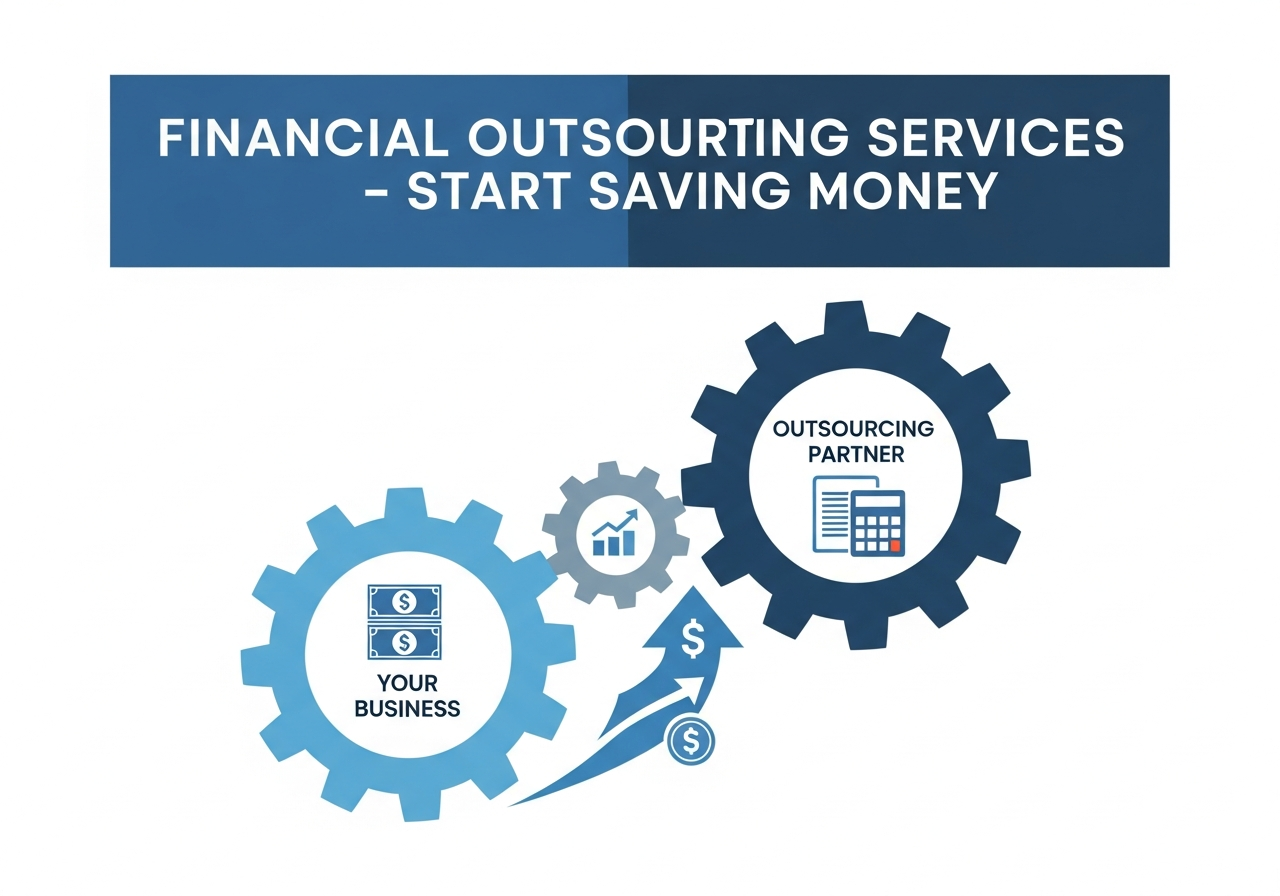
| Financial Outsourcing Services At A Glance | Here is what you need to know about these money experts. |
|---|---|
| Feature | Details |
| Main Tasks | Bookkeeping, tax prep, payroll, invoicing |
| Experience Level | 10+ years |
| Cost Savings | Up to 80% vs in-house |
| Availability | Full-time, dedicated to you |
| Support | Campaign Manager included |
This table shows why smart business owners choose our money experts.
What Does A Financial Outsourcing Services Do?
A financial expert handles all your money work so you can focus on making more money.
They take care of the boring tasks that eat up your time every day.
-
Keep track of all money coming in and going out
-
Send bills to customers and follow up on late payments
-
Handle payroll and pay your workers on time
-
Get your taxes ready and filed correctly
-
Make reports that show how your business is doing
-
Check bank accounts and fix any money mistakes
-
Help you plan budgets and save more money
These tasks can save you 20 hours per week and thousands of dollars.
💡
Did You Know?
Companies using financial outsourcing services are 3 times more likely to catch money mistakes before they become big problems.
Top 7 Benefits Of Hiring A Finance Outsourcing Expert
Here are the biggest reasons why business owners love working with money experts.
-
Save Money: You pay way less than hiring someone full-time. No need to pay for health insurance or vacation time either.
-
Save Time: Get back 20+ hours per week to work on growing your business. Stop staying up late doing bookkeeping work.
-
Expert Help: Get someone who knows all the tax rules and money laws. They catch mistakes before they cost you big money.
-
Focus On Growth: Spend your time talking to customers and making sales. Let the experts handle the boring money stuff.
-
No Training Needed: Your financial expert starts working right away. They already know all the best tools and tricks.
-
Flexible Support: Need more help during busy times? Your expert can work extra hours when you need them most.
-
Peace Of Mind: Sleep better knowing a pro is watching your money. Never worry about missing tax deadlines again.
One reliable option is to outsource Financial Data Entry tasks to save your company time and resources
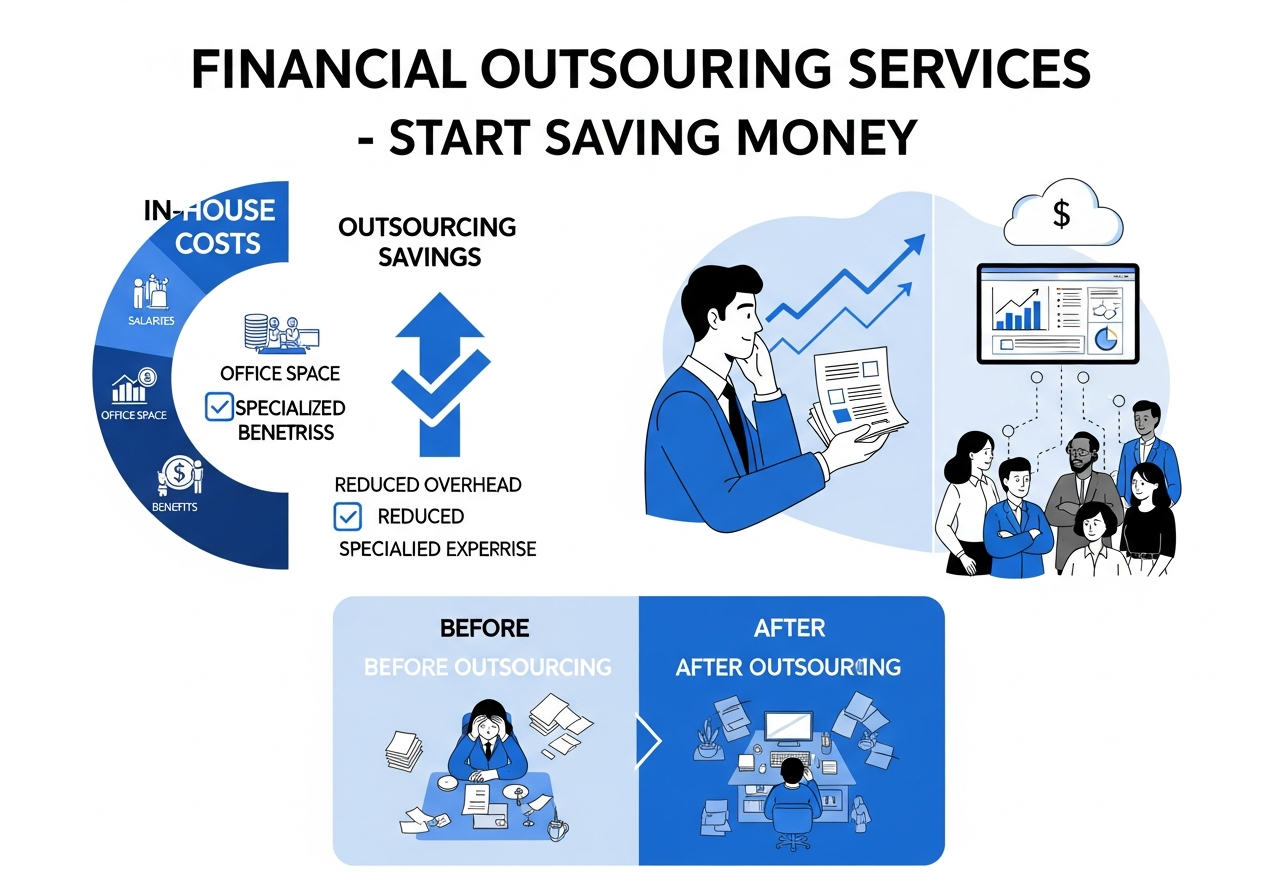
Financial Outsourcing Services vs In-House Employee
Here is how our money experts compare to hiring someone yourself.
| Factor | Stealth Agents VA | In-House Employee |
|---|---|---|
| Cost | Save up to 80% | Full salary + benefits |
| Experience | 10+ years guaranteed | Varies widely |
| Hiring Process | We handle everything | You do all the work |
| Backup Support | Backup VA included | No backup if sick |
| Management | Campaign Manager helps | You manage alone |
| Guarantee | Replacement guarantee | No guarantees |
Most smart business owners choose our experts because they save time and money.
Hiring a Financial Advisor Virtual Assistant will also help you scale your business to the next level.
Skills Every Finance VA Should Have
Look for these important skills when choosing a money expert:
-
Communication: They explain money stuff in simple words you can understand
-
Organization: They keep all your money files neat and easy to find
-
Tech Skills: They know QuickBooks, Excel, and other money software
-
Problem Solving: They find and fix money problems before they get worse
-
Time Management: They get all your money work done on time every time
All Stealth Agents money experts have these skills and 10+ years of experience.
💡
Financial Outsourcing Services Pro Tip
Start by giving your financial expert one small task like invoice tracking. Once they prove they can do great work, add more tasks slowly.
How To Work With Your Money Expert
Here is how to get the best results with your financial helper.
Good communication makes everything work better and saves you both time.
-
Set Clear Goals: Tell them exactly what you want done and when you need it finished. Write down your biggest money problems that need fixing.
-
Use Simple Tools: Talk through email, Slack, or phone calls. Share files using Google Drive or Dropbox so they can access everything.
-
Give Feedback: Tell them when they do good work and help them fix any mistakes. This helps them get better at helping your business.
-
Start Small: Give them easy tasks first to build trust. Once they prove themselves, you can give them bigger jobs.
Working together as a team will help your business make and save more money.
5 Mistakes To Avoid With Your Outsourced Finance Expert
-
Not Being Clear: Always explain exactly what you want done and by when. Unclear instructions lead to wrong work and wasted time.
-
Micromanaging: Trust your expert to do the work their way. Checking on them every hour slows everything down.
-
No Check-Ins: Schedule weekly calls to see how things are going. This prevents small problems from becoming big ones.
-
Too Much Too Fast: Don't dump 50 tasks on them in the first week. Add new work slowly as they learn your business.
-
Wrong Fit: Make sure your expert knows your type of business. A restaurant expert might not understand construction company money.
Outsourcing will help your financial, not hold it back.
Why Choose Stealth Agents For Your Financial Outsourcing Services
Stealth Agents has the best money experts who will save you time and money.
All our financial helpers have 10+ years of real experience with businesses like yours.
We only hire the top 1% of people who apply to work with us.
-
Dedicated Campaign Manager to help you
-
Backup VA included at no extra cost
-
Replacement guarantee if not satisfied
-
Easy communication through our platform
Book a free call today to learn how our experts can help your business.
🎯
Key Takeaway
Financial outsourcing services can save your business up to 80% on money management costs while giving you expert help that prevents costly mistakes.
[
Frequently Asked Questions About Financial Outsourcing Services
How Do I Hire A Financial Outsourcing Services From Stealth Agents?
Just book a free call with us and we will match you with the perfect money expert for your business.
What Tasks Can A Financial Outsourcing Services Handle?
They can do bookkeeping, invoicing, payroll, tax prep, financial reports, and budget planning for your business.
How Much Experience Do Your Financial Outsourcing Services Candidates Have?
Every money expert we hire has at least 10+ years of experience helping businesses just like yours.
How Will I Communicate With My Financial Outsourcing Services?
You can talk through email, Slack, Zoom calls, or phone whenever you need to discuss your business money.
What If My Financial Outsourcing Services Is Not A Good Fit?
We offer a replacement guarantee so you can get a different expert if the first one doesn't work out.
Get Your Financial Outsourcing Services Today
A money expert will save you time, save you money, and help your business grow faster.
Don't wait any longer to get the financial outsourcing services your business needs to succeed.
Book your free call with Stealth Agents right now to get started today.
Ready to Get Started?
Stealth Agents provides dedicated support teams to handle the work that matters. Compare plans and pricing or explore our services to find the right fit for your business.