
AI solution providers like Stealth Agents empower businesses to streamline operations, enhance customer engagement, and boost productivity through smart, human-centred virtual assistant services.
Stealth Agents makes AI work for you by combining cutting-edge technology with personalized support that helps your business grow efficiently.
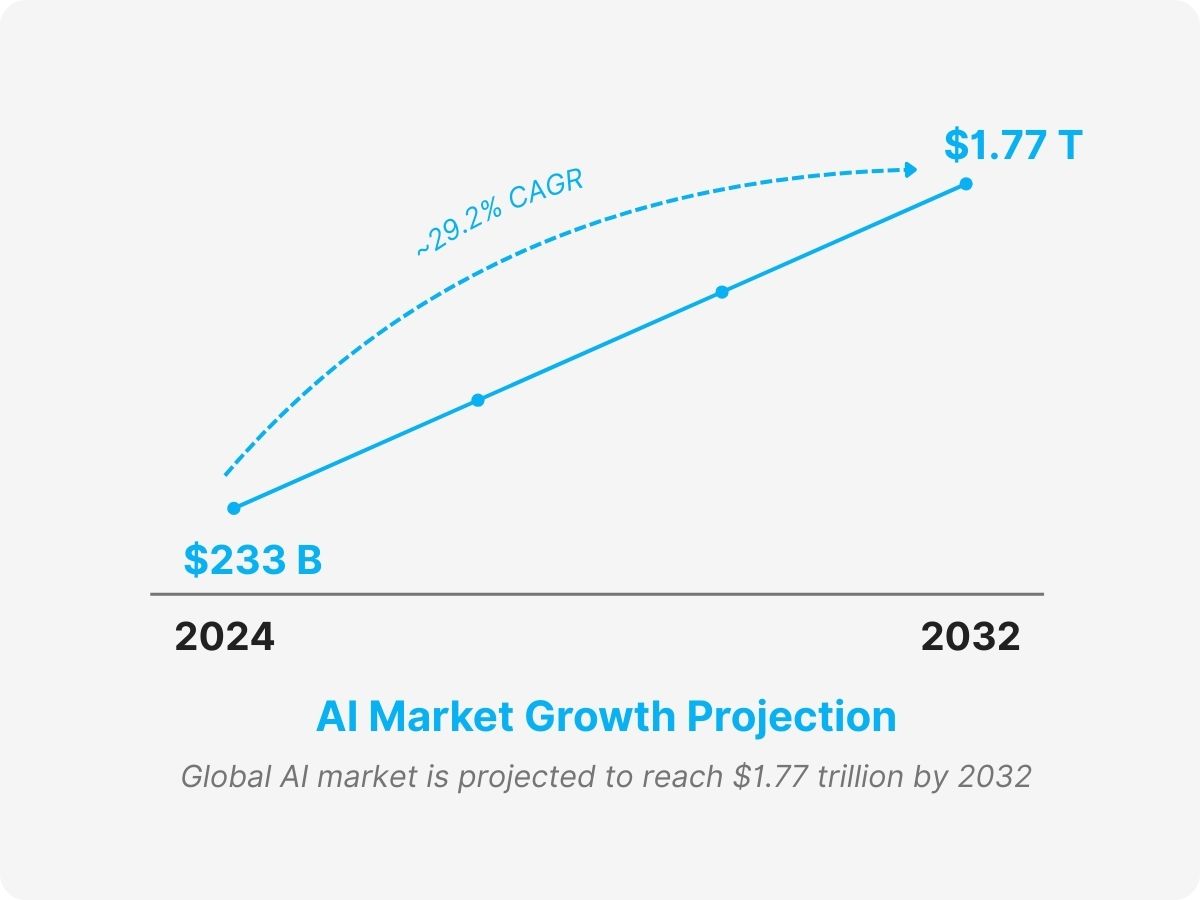
The global AI market was valued at about USD 233.46 billion in 2024 and is forecasted to reach more than USD 1.77 trillion by 2032, with a CAGR of ~29.2%.
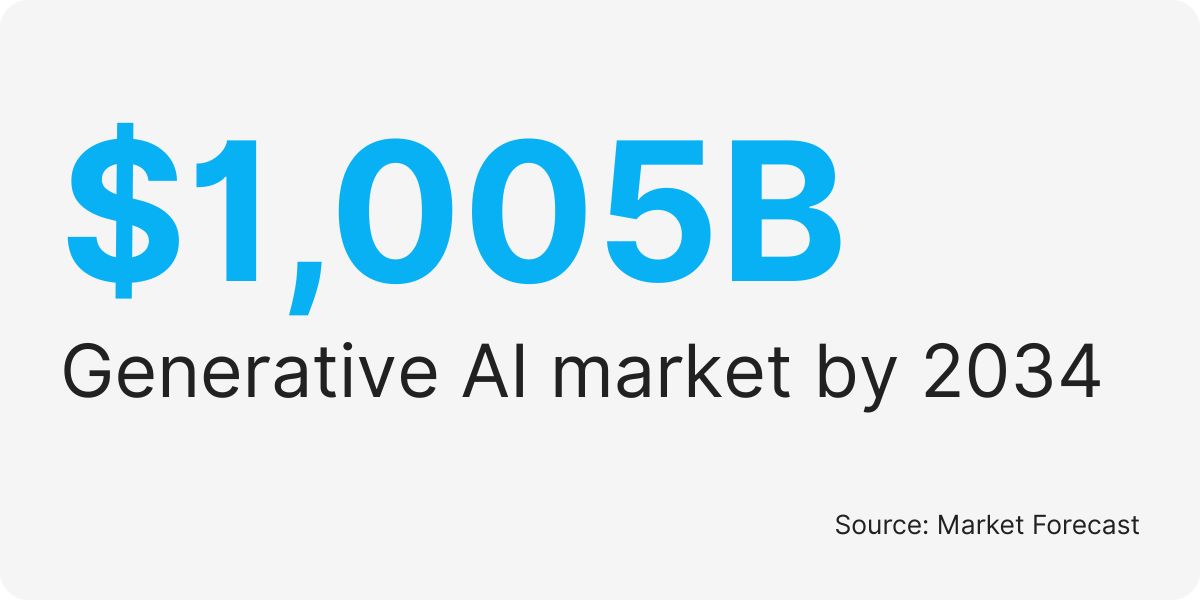
Meanwhile, the generative AI segment alone is expected to grow from USD 37.89 billion in 2025 to over USD 1,005 billion by 2034, reflecting demand for creative content, automation, and intelligent agents.
As companies increasingly prioritize efficiency, innovation, and cost savings, selecting among the top AI solution providers becomes critical.
Stealth Agents stands out in this landscape by offering tailored AI-powered support and virtual teams, enabling businesses to integrate smart automation without the steep overhead, making it a provider worth calling among the best in 2025.
AI is changing how businesses compete, and AI solution providers are your edge. If your team is stuck doing repetitive tasks, struggling with customer delays, or missing sales opportunities, it’s time to rethink your process.
AI solution providers or AI virtual assistant companies like Stealth Agents offer a service that can automate support, boost productivity, and help you focus on what really drives revenue.
Studies show companies using AI tools, for example a virtual assistant like Alexa, see up to 40% improvement in efficiency and lead conversion. Whether you’re running a small shop or scaling up a national brand, faster service and smarter data help you stand out.
It doesn’t stop there – listing with us connects you with high-quality leads and a trusted network of virtual assistants built to grow with you. Register now to list your business and connect with other Virtual Assistants.
What is an AI solution provider?
An AI solution provider is a company or team that helps businesses use artificial intelligence to solve problems and improve processes. They offer to develop AI-based tools, analyze data, and integrate AI into existing systems, often as part of broader enterprise AI automation services.
These providers bring expertise in machine learning, natural language processing, and predictive analytics to address specific challenges. Businesses often rely on them to make data-driven decisions and gain competitive advantages. According to reports, over 35% of companies have already adopted AI, highlighting the growing role of such providers in various industries.
What are the significant trends shaping the artificial intelligence industry in 2025?
The AI landscape in 2025 is defined by both relentless innovation and growing complexity. As artificial intelligence and AI-powered remote staffing solutions become the backbone of modern business, several clear trends are emerging that every company should keep on their radar.
1. Shift from Model Building to Real-World Applications
While legacy players like OpenAI and Anthropic still draw attention for their advanced AI models, much of the excitement has now shifted towards startups, custom AI implementation providers, and established companies creating practical applications. Businesses across engineering, healthcare, legal, and sales are adopting solutions that automate routine work and improve decision-making, moving AI further from research labs and into the daily workflow.
2. Skyrocketing Demand for Computing Power
Training and running complex AI solutions require massive computational resources, putting a premium on high-performance chips and scalable cloud infrastructure. Providers like Lambda, Together AI, and Crusoe are expanding rapidly as businesses clamour for the power needed to fuel their AI ambitions, sometimes spending billions just to keep up with industry pace.
3. Efficiency and Cost Optimization
With the race for more capable models comes a parallel push for smarter, more cost-effective AI development. Some international startups, especially in Asia, are illustrating new ways to train large language models with fewer resources—signalling potential shifts in how affordable and accessible advanced AI may become in the near future.
4. Legal and Ethical Challenges in the Spotlight
As AI transforms industries, it also stirs up significant legal debates—particularly around intellectual property and copyright. Major companies face lawsuits from artists, writers, and publishers who claim their content was used without proper licensing to train AI systems. Whether it’s image generators, voice cloning tools, or music composition engines, copyright disputes are becoming a defining hurdle for the sector. The entire industry is closely watching court rulings, as these outcomes may establish new boundaries around how data can be used to build future AI tools.
5. Rapid Expansion and Diversification
The race is on not just for better models, but for broader capabilities. New entrants and spin-offs are pushing the boundaries of what AI systems can understand and automate including spatial reasoning, content generation, and even business administration tasks. Investments are flowing into AI business process automation companies and other firms that offer everything from virtual assistants to specialized infrastructure, reflecting a market eager to harness AI wherever it can drive value.
Simply put, 2025 ushers in an era where AI is more accessible, powerful, and visible than ever before but also more contested and closely watched by regulators and creators. Business leaders should watch these trends to stay ahead and ensure they leverage AI both responsibly and effectively.
What are the projected market opportunities for automated coding and other AI-powered solutions?
The market for automated coding and AI-driven tools is growing at a remarkable pace, with estimates suggesting it could reach $30 billion by 2032. This surge is fueled by the rising demand from businesses ranging from startups to large tech companies, all seeking to build software faster with fewer bottlenecks.
AI-powered coding assistants enable users—even those without technical backgrounds—to create applications or automate tasks by simply describing what they want in plain English.
Solutions like GitHub Copilot, Amazon CodeWhisperer, and other emerging platforms are lowering barriers for innovation and speeding up product development cycles.
For business owners, this translates to:
- Faster launches for new products and digital tools,
- Lower development costs,
- Reduced reliance on large specialized teams,
- The ability to quickly adjust and compete in changing markets.
What backgrounds and expertise do founders of prominent AI startups typically have?
Many founders behind today’s leading AI startups come armed with impressive technical credentials and hands-on experience from top universities or labs. It’s common to see teams made up of engineers and developers who’ve honed their skills at places like MIT or Stanford—some start their businesses while still in school or shortly after, often taking big risks for the sake of innovation.
Their backgrounds tend to blend advanced knowledge in fields like computer science, machine learning, and data analytics with real-world practice, building new tools. Some are recipients of major fellowships or grants (think Thiel Fellows), showinthey’veve caught the attention of industry leaders early on.
Others bring leadership from prominent tech companies or cutting-edge research institutes, having contributed to major advancements in areas like computer vision and AI-powered data analysis.
What really sets these founders apart is a drive to challenge the status quo and reimagine how software and technology get built. With a mix of research expertise, entrepreneurial spirit, and industry experiencethey’rere not just following trendthey’rere shaping the future of AI itself.
What are the major trends shaping the artificial intelligence industry in 2025?
The AI landscape in 2025 is defined by both relentless innovation and growing complexity. As artificial intelligence becomes the backbone of modern business, several clear trends are emerging that every company should keep on their radar.
1. Shift from Model Building to Real-World Applications
While legacy players like OpenAI and Anthropic still draw attention for their advanced AI models, much of the excitement has now shifted towards startups and established companies creating practical applications. Businesses across engineering, healthcare, legal, and sales are adopting solutions that automate routine work and improve decision-making, moving AI further from research labs and into the daily workflow.
2. Skyrocketing Demand for Computing Power
Training and running complex AI solutions requires massive computational resources, putting a premium on high-performance chips and scalable cloud infrastructure. Providers like Lambda, Together AI, and Crusoe are expanding rapidly as businesses clamor for the power needed to fuel their AI ambitions, sometimes spending billions just to keep up with industry pace.
3. Efficiency and Cost Optimization
With the race for more capable models comes a parallel push for smarter, more cost-effective AI development. Some international startups, especially in Asia, are illustrating new ways to train large language models with fewer resources—signaling potential shifts in how affordable and accessible advanced AI may become in the near future.
4. Legal and Ethical Challenges in the Spotlight
As AI transforms industries, it also stirs up significant legal debates—particularly around intellectual property and copyright. Major companies face lawsuits from artists, writers, and publishers who claim their content was used without proper licensing to train AI systems. Whether it’s image generators, voice cloning tools, or music composition engines, copyright disputes are becoming a defining hurdle for the sector. The entire industry is closely watching court rulings, as these outcomes may establish new boundaries around how data can be used to build future AI tools.
5. Rapid Expansion and Diversification
The race is on not just for better models, but for broader capabilities. New entrants and spin-offs are pushing the boundaries of what AI systems can understand and automate—including spatial reasoning, content generation, and even business administration tasks. Investments are flowing into companies that offer everything from virtual assistants to specialized infrastructure, reflecting a market eager to harness AI wherever it can drive value.
Simply put, 2025 ushers in an era where AI is more accessible, powerful, and visible than ever before—but also more contested and closely watched by regulators and creators. Business leaders should watch these trends to stay ahead and ensure they leverage AI both responsibly and effectively.
What are the projected market opportunities for automated coding and other AI-powered solutions?
The market for automated coding and AI-driven tools is growing at a remarkable pace, with estimates suggesting it could reach $30 billion by 2032. This surge is fueled by the rising demand from businesses ranging from startups to large tech companies, all seeking to build software faster with fewer bottlenecks.
AI-powered coding assistants enable users—even those without technical backgrounds—to create applications or automate tasks by simply describing what they want in plain English. Solutions like GitHub Copilot, Amazon CodeWhisperer, and other emerging platforms are lowering barriers for innovation and speeding up product development cycles.
For business owners, this translates to:
- Faster launches for new products and digital tools,
- Lower development costs,
- Reduced reliance on large specialized teams,
- The ability to quickly adjust and compete in changing markets.
With automation extending from customer service to tech development, the opportunity for businesses to increase efficiency and stay ahead of the curve is massive. Embracing these AI-powered solutions early can position your company for future growth as the technology—and competitive advantage—continues to advance.
What backgrounds and expertise do founders of prominent AI startups typically have?
Many founders behind today’s leading AI startups come armed with impressive technical credentials and hands-on experience from top universities or labs. It’s common to see teams made up of engineers and developers who’ve honed their skills at places like MIT or Stanford—some start their businesses while still in school or shortly after, often taking big risks for the sake of innovation.
Their backgrounds tend to blend advanced knowledge in fields like computer science, machine learning, and data analytics with real-world practice building new tools. Some are recipients of major fellowships or grants (think Thiel Fellows), showing they’ve caught the attention of industry leaders early on. Others bring leadership from prominent tech companies or cutting-edge research institutes, having contributed to major advancements in areas like computer vision and AI-powered data analysis.
What really sets these founders apart is a drive to challenge the status quo and reimagine how software and technology get built. With a mix of research expertise, entrepreneurial spirit, and industry experience, they’re not just following trends—they’re shaping the future of AI itself.
What problems do AI solution providers solve for small businesses?
AI solution providers help small businesses save time, reduce mistakes, and respond faster to customers by taking over time-consuming tasks like lead follow-ups, data entry, and scheduling. WWhen you’rejuggling sales, customer service, and admin wwork, it’seasy to fall behind, but an AI solutions company gives you a service that can handle it all quietly in the background while you grow your business.
From email replies to CRM updates, AI solutions for business remove repetitive jobs that slow you down. Many AI service providers also help identify buying patterns and customer behaviour using smart data, so you can make better decisions. Some even combine their technology with top virtual assistant services, providing an all-in-one approach to automation and human support.
With help from the right AI solution provider, you can avoid hiring more people for basic work and put your money into what matters. This is why so many entrepreneurs now turn to the top 50 AI websites for simple tools that do more. You’re a small business that needs to do more with less. Working with a trusted AI provider can make all the difference.

Real-World Examples of AI Transforming Key Industries
isn’tn’t just a buzzwoit’st’s quietly transforming real, day-to-day operations in industries from engineering to healthcare, legal services, sales, and hiring. Let’st’s take a closer look at how artificial intelligence is tackling routine workloads and driving results across these sectors.
- Engineering: Modern AI tools are lending a digital hand to engineers by speeding up coding, catching errors, and even offering smart suggestions during the software development process. AI-powered platforms are increasingly handling tasks such as code reviews or bug fixes, freeing up experienced engineers for more complex project work.
- Healthcare: Doctors and medical professionals are using AI-powered search platforms to quickly pull together relevant information from vast pools of medical research and records. These tools go beyond keyword searches, summarising critical data to support faster, more informed decisions, which ultimately benefit patient care.
- Legal: AI applications are lending efficiency to legal teams by drafting routine contracts and reviewing documents for inconsistencies. Law firms use machine learning to sort through mountains of files for case preparation—reducing both costs and the risk of human error.
- Sales: AI assistants are taking over repetitive sales tasks like scheduling, email follow-ups, and data entry in CRM systems. These smart platforms identify and surface promising leads, helping sales professionals focus on building client relationships and closing deals rather than administrative busy-work.
- Hiring: Innovative AI solutions are streamlining recruitment by screeninrésuméses, identifying stand-out candidates, and even conducting initial virtual interviews using lifelike avatars. This reduces bias in the selection process and lets HR teams spend more time with top applicants instead of wading through stacks of applications.
-
Improving Customer Service Efficiency
AI companies can quickly improve how businesses handle customer support. Companies and businesses can respond to customer inquiries 24/7 using AI chatbots and virtual assistants. Artificial intelligence service providers offer solutions that instantly reduce wait times and address common questions. For instance, the biggest virtual assistant providers in the Philippines help brands save time and lower operating costs. AI technology companies also provide advanced customer sentiment analysis to personalise responses further.
-
Streamlining Data Management and Analysis
AI development companiesspecializee in helping businesses handle vast amounts of data effectively. AI platform companies and software developers cananalyzee trends, patterns, and insights from raw information much faster than traditional methods.
Artificial intelligence companies allow b2b service providers to optimise operations using data-driven decision-making. According to reports, businesses can improve their forecasting accuracy by up to 50% by working with companies developing AI. AI technology companies are especially beneficial for industries that generate massive amounts of data daily, such as healthcare, finance, and retail.
-
Boosting Sales Through Predictive Analytics
AI providers are experts in creating systems that help businesses predict customer behaviour and preferences. AI development companies apply machine learning algorithms to identify the best strategies for targeting potential buyers.
Artificial intelligence solutions companies improve sales by forecasting consumer trends based on past data. For example, AI software companies help retail businesses tailor their offerings, leading to increased conversions. Artificial intelligence companies ensure businesses can stay ahead of competitors by anticipating market shifts.
-
Strengthening Network Security and Fraud Detection
AI software development companies have tools to fortify businesses against cyberattacks and detect fraud. By analysing unusual patterns, artificial intelligence company systems can identify threats before they cause problems.
AI research companies often provide businesses with fraud detection systems that alert them to anomalies in financial transactions. Top artificial intelligence companies offer cybersecurity applications that lower the risks of costly data breaches. Many companies are turning to AI tech companies for these essential safeguards, especially in banking and insurance.
-
Automating Routine Business Processes
AI startups and AI solutions companies help businesses save time by automating repetitive tasks. Artificial intelligence development companies can create software that automates payroll, inventory tracking, and customer follow-up processes.
AI brands specialising in automation free up employees to focus on more high-value activities. Outsourcing providers in the Philippines often rely on AI to handle back-office processes for global businesses. With AI technology company solutions, businesses report improved productivity and fewer human errors.
- Transforming Business Processes and the Job Market
Advancements in AI are dramatically reshaping how businesses operate, streamlining both daily workflows and complex decision-making. With rapid developments in artificial intelligence, more companies now automate traditionally time-consuming tasks—ranging from candidate screening in HR to managing large datasets in finance, healthcare, and retail.
Instead of manually sorting through piles of applications or spending hours analysing data, businesses are deploying AI systems that handle the heavy lifting in seconds. These new solutions help reduce human error, remove subjective decision-making, and enable companies to focus on high-impact work.
AI-powered automation is proving especially valuable for roles that involve repetitive, rules-based tasks. For example:
- Recruitment: AI-driven tools quickly sort througrésuméses and conduct initial interviews, ensuring candidates are matched objectively to job requirements.
- Customer Support: Automated systems respond instantly to customer inquiries, improve satisfaction, and free up human agents for more complex cases.
- Data Analysis: AI platforms process vast quantities of information, highlight actionable insights, and improve forecasting, which, in turn, supports better business strategies.
- Content Creation: Specialisedd AI tools generate reports, write marketing copy, or summarise research—speeding up output without sacrificing quality.
Real-World AI Tools Making an Impact
Beyond back-office automation, the latest AI-powered tools are revolutionizingz specializedz business tasks—from writing code to simplifying medical research and changing how companies hire talent.
Automated Coding Assistants
Modern AI coding tools help engineers write and edit code without needing deep technical prompts. With natural language inputs like”ate a weather papp de”elop a retro ga”e, ” s”ftware engineers at major brands (think Samsung or Instacart) are speeding up development cycles and lowering the bar to entry for coding. These AI solutions not only catch errors but also suggest improvements and can handle complex editing in seconds, making them indispensable for tech firms looking to stay agile.
AI-Based Language Tutors
Language learning has also gone digital, thanks to AI-driven tutor apps that personalizez English and Spanish lessons for millions of users. These platforms analyuseusers’ogressess and automatically adapt lessons for maximum retention—essential for busy professionals or anyone looking to learn on the go. By automating feedback and practice, AI tutors free up human instructors for more advanced guidance.
Medical Information Summarisation
Doctors swamped with endless research papers can now rely on AI tools that sift through medical databases and condense the latest findings into clear, readable summaries. This not only saves valuable time but ensures healthcare professionals stay up-to-date with the latest insights—improving patient care without the administrative headache.
AI-Driven Hiring Platforms
When it comes to recruitment, AI hiring platforms are transforming how companies evaluate candidates. From parsing thousandrésuméssumés and cover letters to conducting initial video interviews with AI avatars, these systems can flag top talent quickly and objectively. Instead of relying on gut feelings, employers use AI to identify candidates with the best-suited skills and experience, streamlining the hiring process and reducing unconscious bias.
These practical AI innovations demonstrate how automation is not just for routine work; it’s shaping high-value, knowledge-based tasks across industries.
The Shift from Model Development to Real-World Solutions
Recently, AI startups have begun to move away from simply racing to create the latest machine learning models. Instead, more innovators are focusing on practical tools and applications that solve everyday business challenges. Rather than reinventing the wheel, many are now building clever, user-friendly software on top of powerful engines like OpenAI, Google Cloud AI, or IBM Watson.
This shift means startups are less concerned with technical breakthroughs and more interested in automating real work for industries such as engineering, healthcare, law, and sales. For example, new AI-driven platforms now streamline legal document review, automate patient scheduling, and handle sales outreach—all without complex setup or dedicated IT staff. The result? Businesses can quickly plug AI solutions into existing workflows and see immediate, tangible benefits.
By putting the emphasis on usability, these AI startups help small businesses and enterprises automate routine work, freeing up their people to focus on what truly matters.
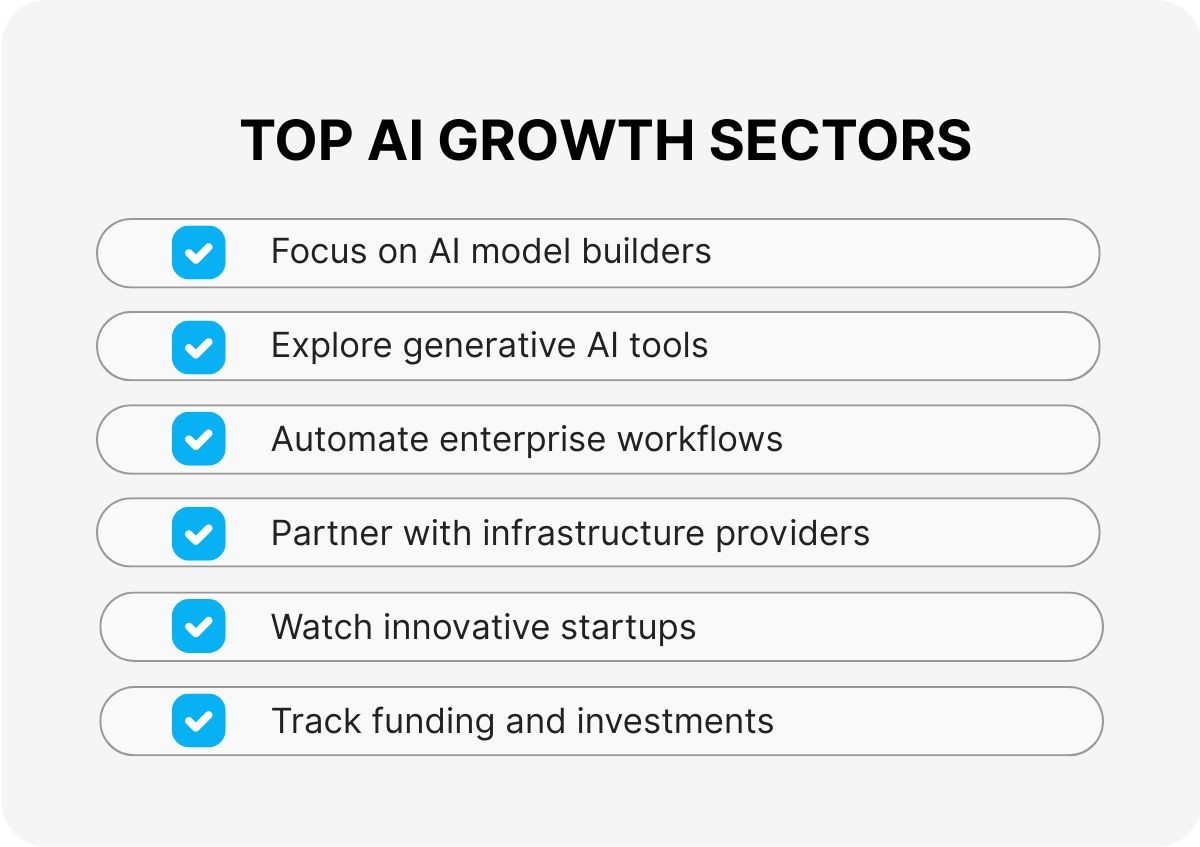
Which Types of AI Companies Are Seeing Major Growth and Investment?
tToday’s rapidlyexpanding AI landscape, several categories of companies are grabbing headlines—and hefty investments. The frontrunners remain AI model builders and generative AI developers, whose cutting-edge systems power everything from virtual assistants to content creation platforms. These companies attract the largest funding rounds, thanks to their breakthroughs in language models, image generation, and advanced data analysis.
Enterprise-focused AI firms are also scaling up quickly. These companies provide tailored AI solutions for businesses, automating everyday operations like marketing, document search, and workflow optioptimisation handling high-volume, repetitive work, they unlock new efficiencies and free up human teams to focus on strategy and growth.
Behind the scenes, another group is making waves: infrastructure and cloud compute providers. These businesses supply the essential computing power—think high-performance chips and energy-hungry data centres—that fuel the entire AI industry. As demand for faster, more powerful AI systems grows, so does the need forspecializedd infrastructure companies.
Finally, innovative startups are emerging with cost-effective approaches to building and training AI models. By using smarter processes and pushing the boundaries of what’s possible with fewer resources, these up-and-comers are challenging industry giants and attracting attention from investors looking for the next big breakthrough.
Together, these different players—model creators, business solution experts, infrastructure companies, and breakthrough startups—are driving the dramatic surge in AI investment and growth across the globe.
- Infrastructure Providers Rise to MeAI’AI’smputing Demands
The surge in AI adoption has fueled a booming market for infrastructure providers. Training and operating advanced AI models require powerful hardware—think high-performance silicon chips and robust data centres. Infrastructure companies, from established tech giants like NVIDIA to innovators in cloud computing, are stepping up to deliver the necessary resources.
These providers benefit by supplying the backbone for companies computing needs. Their services include cloud-based GPU rental, dedicated server farms, and high-efficiency data center operations. As more businesses jump into AI-powered solutions, the demand for scalable infrastructure skyrockets—making this sector one of the fastest-growing in tech.
Whether it’s kicking up global enterprises or supporting nimble AI startups, these infrastructure partners ensure there’s enough computing muscle to keep AI running smoothly around the clock. Their ability to offer reliable, high-capacity processing is key to unlocking the next wave of AI advancements.
Real-World Examples of AI Transforming Key Industries
AI isn’t just a buzzword—it’s quietly transforming real, day-to-day operations in industries from engineering to healthcare, legal services, sales, and hiring. Let’s take a closer look at how artificial intelligence is tackling routine workloads and driving results across these sectors.
- Engineering: Modern AI tools are lending a digital hand to engineers by speeding up coding, catching errors, and even offering smart suggestions during the software development process. AI-powered platforms are increasingly handling tasks such as code reviews or bug fixes, freeing up experienced engineers for more complex project work.
- Healthcare: Doctors and medical professionals are using AI-powered search platforms to quickly pull together relevant information from vast pools of medical research and records. These tools go beyond keyword searches, summarizing critical data to support faster, more informed decisions, which ultimately benefits patient care.
- Legal: AI applications are lending efficiency to legal teams by drafting routine contracts and reviewing documents for inconsistencies. Law firms use machine learning to sort through mountains of files for case preparation—reducing both costs and the risk of human error.
- Sales: AI assistants are taking over repetitive sales tasks like scheduling, email follow-ups, and data entry in CRM systems. These smart platforms identify and surface promising leads, helping sales professionals focus on building client relationships and closing deals rather than administrative busy-work.
- Hiring: Innovative AI solutions are streamlining recruitment by screening resumes, identifying stand-out candidates, and even conducting initial virtual interviews using lifelike avatars. This reduces bias in the selection process and lets HR teams spend more time with top applicants instead of wading through stacks of applications.
With tools like these, businesses in every sector are seeing real gains—less drudgery for staff, smarter data, and time saved that can be redirected into growth activities.
How do AI solution providers help improve customer service?
AI solution providers support faster response times, smarter ticket routing, and more personalised communication without you lifting a finger. Whether you run an online shop or a local service, customers hate waiting, and an AI solution company gives you a service that can respond instantly, even at night or on weekends. By using AI solutions for business, you can keep your support open 24/7 with bots that answer FAQs, book appointments, or connect customers to the right person fast.
The best AI service providers use data from past conversations to improve every new interaction, meaning fewer errors and happier clients. youyou’reinging tools like GoHighLevel CRM specialist features, AI providers can plug in and make them smarter. Great support leads to higher sales, and businesses using AI solution providers report stronger loyalty and better reviews. If you want faster, friendlier service without hiring more people, an AI solutions provider is your best option.
What are the emerging trends and innovations among the year’s promising private AI companies?
AI startups are moving beyond simply building bigger, flashier models. The real action now is in practical applications—tools that take the power of AI and use it to make daily work easier across industries like engineering, healthcare, legal, and sales. Instead of just trying to outdo each other with “h ” sm”r”er ” a, today’s AI leaders are focused on solving real-world problems.
HerHere’sawhat’skinging waves:
- Smart Automation in Every Field: Many AI companies are developing platforms that automate tedious tasks for professionals, such as writing code, managing emails, summarising complex documents, or helping with language learning. This means engineers, doctors, and sales teams can concentrate on higher-value work while AI takes care of the repetition.
Personalized
d
- Learning and Support: AI-powered tutors and apps are giving users tailored guidance—whether they want to learn a new language or brush up on technical skills. Users get feedback and lessons adapted to their pace, making education and training more effective and accessible.
- Infrastructure Innovation: All this intelligence requires enormous computing power. Behind the scenes, new players are creating more efficient chips and data centres that can handle these massive AI workloads without breaking the bank. This backstage innovation is essential, as running and training AI at scale takes significant resources.
- Smarter Search and Information Access: AI companies are bringing powerful search capability to the table, allowing professionals—like doctors—to sift through mountains of data or medical studies quickly. This ensures decision-makers get accurate, timely information when they need it most.
- Cost-Efficient Models: With skyrocketing demand for AI, some startups are finding ways to train and deploy models more affordably, making it easier for new businesses to tap into cutting-edge AI without massive up-front investment.
What criteria are used to evaluate and rank leading AI companies?
Top AI companidondon’tsttst appear on industry lists by chance. To earn recognition, these innovators are put through a serious vetting process. Judges look at more than just hype—they dig into eacomcompany’sal-worldrld impact, technical expertise, and how cleverly they use AI in their business.
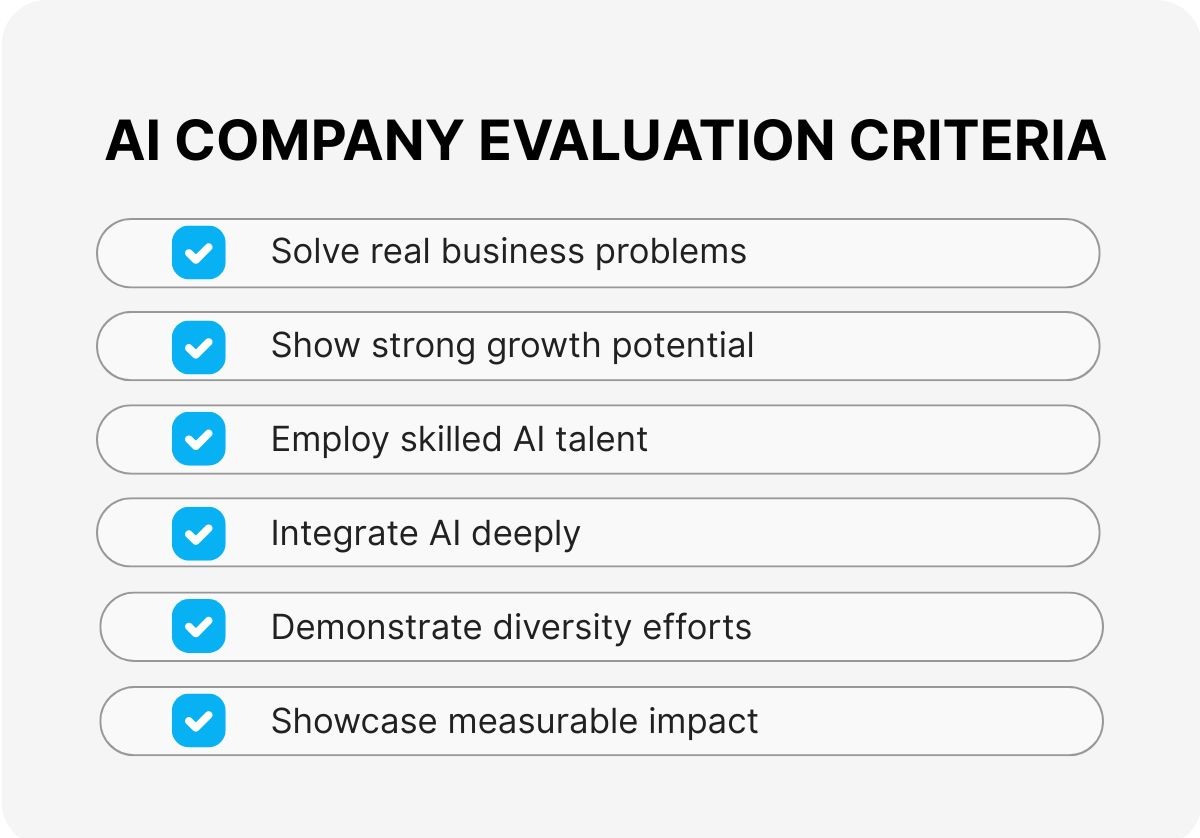
To make the cut, companies are assessed on factors like:
- Business Potential: Is their AI solution actually solving problems, and does it show strong potential for growth?
- Technical Talent: Are they packing a team with AI engineers and data science pros who can tackle challenging projects?
- AI Integration: Is artificial intelligence at the core of their services, from smart automation to intelligent analytics?
- Diversity and Inclusion: Companies are encouraged to demonstrate progress toward building diverse teams and equal opportunities.
How are top AI model builders keeping up with fresh competition?
The giants of AI have long dominated thanks to deep pockets and powerful technology, but lately, the landscape is buzzing with fresh contenders. Established model builders still lead with impressive funding and big-name backers, letting them push the boundaries on advanced AI systems.
But now, ambitious newcomers with significant resources are entering the scene, ramping up innovation and launching their own next-generation AI tools.
So, how do the seasoned players respond? They double down on research, continue scaling up infrastructure, and often collaborate with or acquire up-and-coming startups to stay ahead. Meanwhile, the new wave of AI companies is bringing bold ideas and faster development cycles—pushing the industry to move quicker, get smarter, and serve customer needs even better.
This competition means you get more powerful, flexible, and accessible AI options—whethyouyou’reokinging to automate customer service, ramp up marketing, or supercharge your business operations.
How competitive is the process for AI companies to be recognised as industry leaders?
Securing recognition as a top AI compaisnisn’tactlytly a walk in the park. With thousands of companies vying for a spot each year, only those showing real business promise and advanced technical know-how make the cuTheThere’se’s pay-to-play here—companies are evaluated using a mix of smart algorithms and expert judges whoscrutinizee everything from innovation to team talent.
WhaWhat’sresre, transparency matters.Organisationss are encouraged to prove their commitment to diversity and inclusion, helping to shape a fairer tech landscape. So, if an AI solution provider makes it onto a respected industry list, you can be assured they’ve tough competition and are committed to shaping the future of AI—while still delivering excellent results for businesses like yours.
What is the current state of funding and investment in leading AI companies?
AI is not just a hot investment bonanza. The heavy hitters—think names like OpenAI, Anthropic, and even some stealthy newcomers—are raking in billions from eager venture capitalists who want a front-row seat to the future. In fact, just two industry giants alone represent over half of the massive funding pie, with a combined haul of tens of billions fueling their growth.
It’s just the established A-listers making headlines. New challengers are emerging fast, backed by famous entrepreneurs and AI pioneers. For example, startups founded by leading minds from Tesla and the academic world have quickly raised huge war chests—sometimes in the billions—even before launching public products. There’s a growing wave of innovative businesses focused on enterprise needs, scooping up impressive investments to train custom models for everything from document searches to content generation.
This gold rush meawe’we’reeinging rapid innovation, deeper capabilities, and a broader range of solutions reaching the market at record speed. Whethit’it’sderstandinging physical spaces or automating day-to-day business chores, investors are betting big that smart, adaptable AI will be the backbone for the next wave of digital growth.
What are the emerging trends and innovations among this year’s most promising private AI companies?
AI startups are moving beyond simply building bigger, flashier models. The real action now is in practical applications—tools that take the power of AI and use it to make daily work easier across industries like engineering, healthcare, legal, and sales. Instead of just trying to outdo each other with “smarter” algorithms, today’s private AI leaders are focused on solving real-world problems.
Here’s what’s making waves:
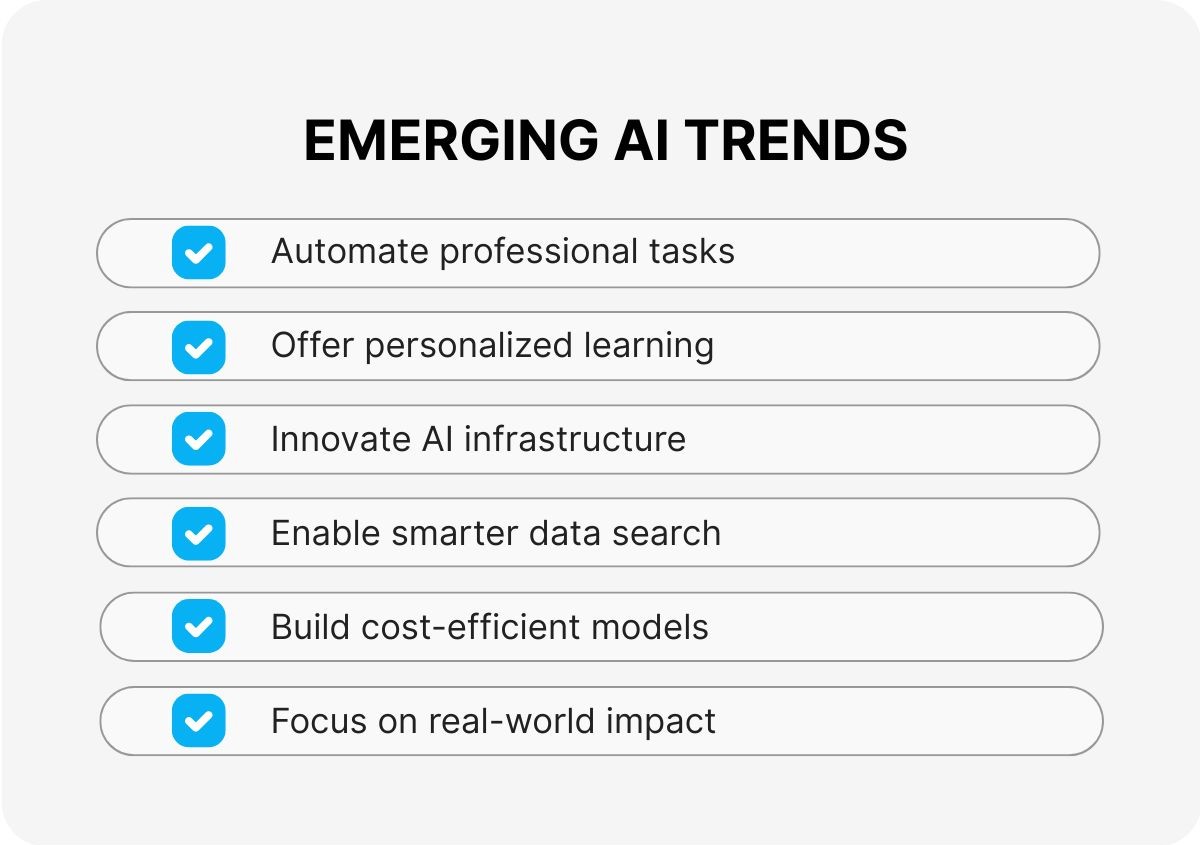
- Smart Automation in Every Field: Many AI companies are developing platforms that automate tedious tasks for professionals, such as writing code, managing emails, summarizing complex documents, or helping with language learning. It means engineers, doctors, and sales teams can concentrate on higher-value work, while AI takes care of the repetition.
- Personalized Learning and Support: AI-powered tutors and apps are giving users tailored guidance—whether they want to learn a new language or brush up on technical skills. Users get feedback and lessons adapted to their pace, making education and training more effective and accessible.
- Infrastructure Innovation: All this intelligence requires enormous computing power. Behind the scenes, new players are creating more efficient chips and data centers that can handle these massive AI workloads without breaking the bank. This backstage innovation is essential, as running and training AI at scale takes significant resources.
- Smarter Search and Information Access: AI companies are bringing powerful search capability to the table, allowing professionals—like doctors—to sift through mountains of data or medical studies quickly. This ensures decision-makers get accurate, timely information when they need it most.
- Cost-Efficient Models: With skyrocketing demand for AI, some startups are finding ways to train and deploy models more affordably, making it easier for new businesses to tap into cutting-edge AI without massive up-front investment.
In short, today’s most exciting private AI companies are blending reliable technology with business-friendly solutions, making AI more practical, powerful, and accessible to organizations of any size. The focus is on getting real results, not just chasing headlines.
What criteria are used to evaluate and rank leading AI companies?
Top AI companies don’t just appear on industry lists by chance. To earn recognition, these innovators are put through a serious vetting process. Judges look at more than just hype—they dig into each company’s real-world impact, technical expertise, and how cleverly they use AI in their business.
To make the cut, companies are assessed on factors like:
- Business Potential: Is their AI solution actually solving problems, and does it show strong potential for growth?
- Technical Talent: Are they packing a team with AI engineers and data science pros who can tackle challenging projects?
- AI Integration: Is artificial intelligence at the core of their services, from smart automation to intelligent analytics?
- Diversity and Inclusion: Companies are encouraged to demonstrate progress toward building diverse teams and equal opportunities.
The process typically combines data-driven scoring and expert panels, ensuring only the most promising AI solution providers make it onto those coveted lists. So, if you’re hunting for a partner, look for vendors recognized using this kind of rigorous, well-rounded approach.
How are top AI model builders keeping up with fresh competition?
The giants of AI have long dominated thanks to deep pockets and powerful technology, but lately, the landscape is buzzing with fresh contenders. Established model builders still lead with impressive funding and big-name backers, letting them push the boundaries on advanced AI systems. But now, ambitious newcomers with significant resources are entering the scene, ramping up innovation and launching their own next-generation AI tools.
So, how do the seasoned players respond? They double down on research, continue scaling up infrastructure, and often collaborate with or acquire up-and-coming startups to stay ahead. Meanwhile, the new wave of AI companies is bringing bold ideas and faster development cycles—pushing the industry to move quicker, get smarter, and serve customer needs even better. This competition means you get more powerful, flexible, and accessible AI options—whether you’re looking to automate customer service, ramp up marketing, or supercharge your business operations.
How competitive is the process for AI companies to be recognized as industry leaders?
Securing recognition as a top AI company isn’t exactly a walk in the park. With thousands of companies vying for a spot each year, only those showing real business promise and advanced technical know-how make the cut. There’s no pay-to-play here—companies are evaluated using a mix of smart algorithms and expert judges who scrutinize everything from innovation to team talent.
What’s more, transparency matters. Organizations are encouraged to prove their commitment to diversity and inclusion, helping to shape a fairer tech landscape. So, if an AI solution provider makes it onto a respected industry list, you can bet they’ve faced tough competition and are committed to shaping the future of AI—while still delivering excellent results for businesses like yours.
What is the current state of funding and investment in leading AI companies?
AI is not just hot; it’s an investment bonanza. The heavy hitters—think names like OpenAI, Anthropic, and even some stealthy newcomers—are raking in billions from eager venture capitalists who want a front-row seat to the future. In fact, just two industry giants alone represent over half of the massive funding pie, with a combined haul of tens of billions fueling their growth.
But it’s not just the established A-listers making headlines. New challengers are emerging fast, backed by famous entrepreneurs and AI pioneers. For example, startups founded by leading minds from Tesla and the academic world have quickly raised huge war chests—sometimes in the billions—even before launching public products. There’s also a growing wave of innovative businesses focused on enterprise needs, scooping up impressive investments to train custom models for everything from document searches to content generation.
This gold rush means we’re seeing rapid innovation, deeper capabilities, and a broader range of solutions reaching the market at record speed. Whether it’s understanding physical spaces or automating day-to-day business chores, investors are betting big that smart, adaptable AI will be the backbone for the next wave of digital growth.
Recommended 50 AI Solution Providers
Here is a list of the top 20 AI solution providers, focusing on their key features, pricing, Google ratings, and websites. These companiesare recognisedd for offering robust solutions across the AI industry.
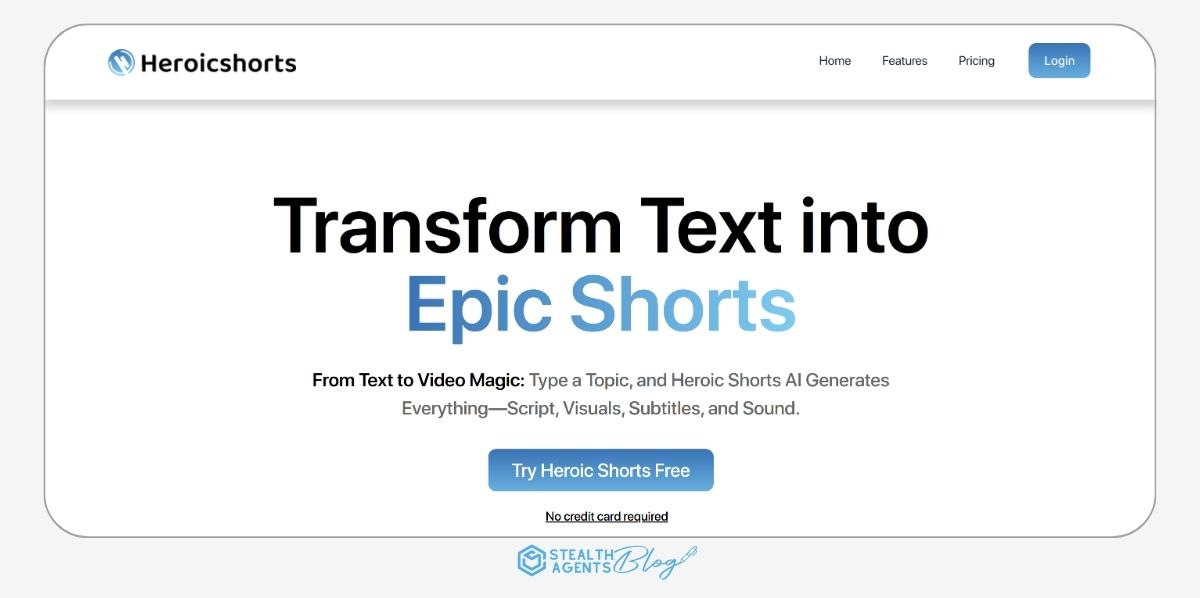
1. Heroic Shorts
Key Features
- Focuses on short-form AI-generated videos tailored for marketing and social media.
- A popular choice among businesses looking to streamline visual content creation.
- Offers customizable templates designed to cater to diverse industries.
- Flexible pricing options make it accessible to startups, SMEs, and large enterprises.
- Excellent Google ratings reflect its ease of use and creative output quality.
Website: www.heroicshorts.com
Pricing: Plans start at $15/month.
Google Rating: 4.5
2. Google.ai
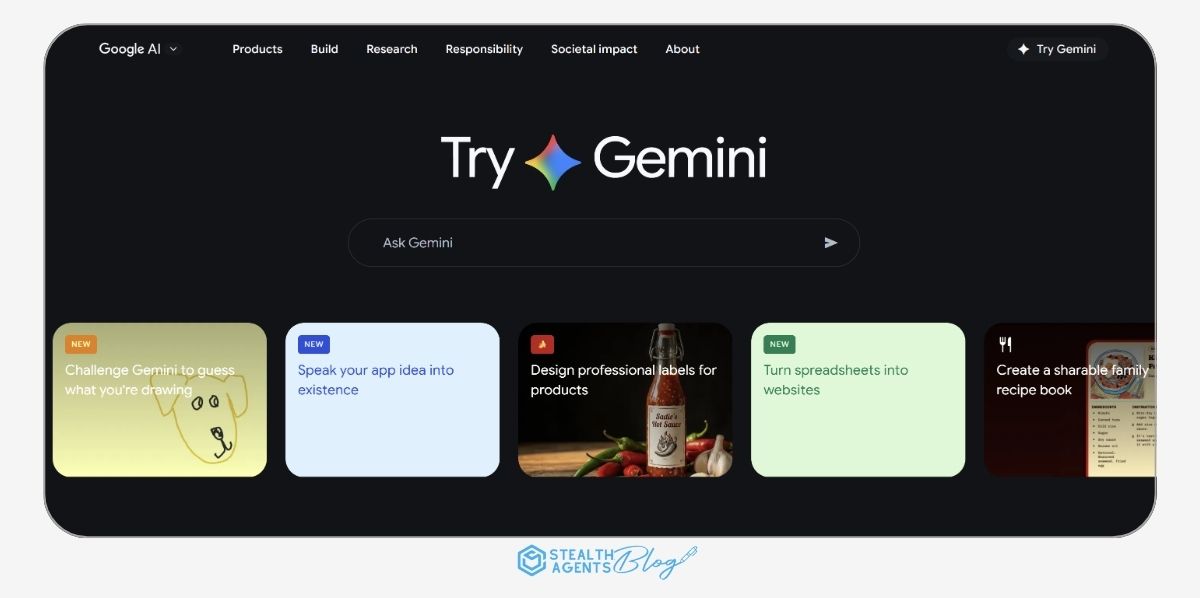
Key Features: Recognised as the leading AI research company for innovations in AI learning models.
- Offers a suite of AI tools through Google Cloud for diverse industries.
- It serves as a valuable option for b2b service providers with scalable solutions.
- Delivers cost-effective pricing models for enterprises and startups.
- Strong focus on ethical AI practices, ensuring trust and reliability.
Website: ai. Google
Pricing: Starts free; scalable based on requirements.
Google Rating: 4.7
3. Microsoft AI
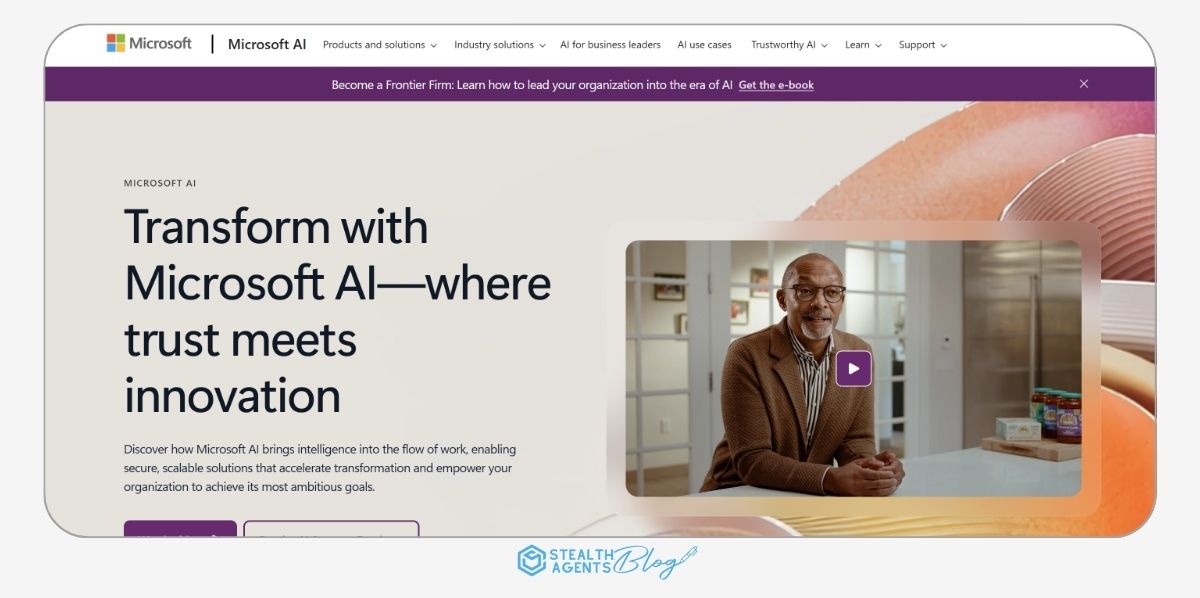
Key Features
- Azure AI answers broad AI offerings across various industries.
- Ideal for AI businesses looking for integration with existing Microsoft platforms.
- Simplifies AI adoption for niche industries like healthcare and retail.
- Includes a wide range of cost-effective tools for small and large businesses alike.
- Backed MicMicrosoft’s expert artificial intelligence services.
Website: www.microsoft.com
Pricing: Flexible plans; free credits for new users.
Google Rating: 4.6
4. OpenAI
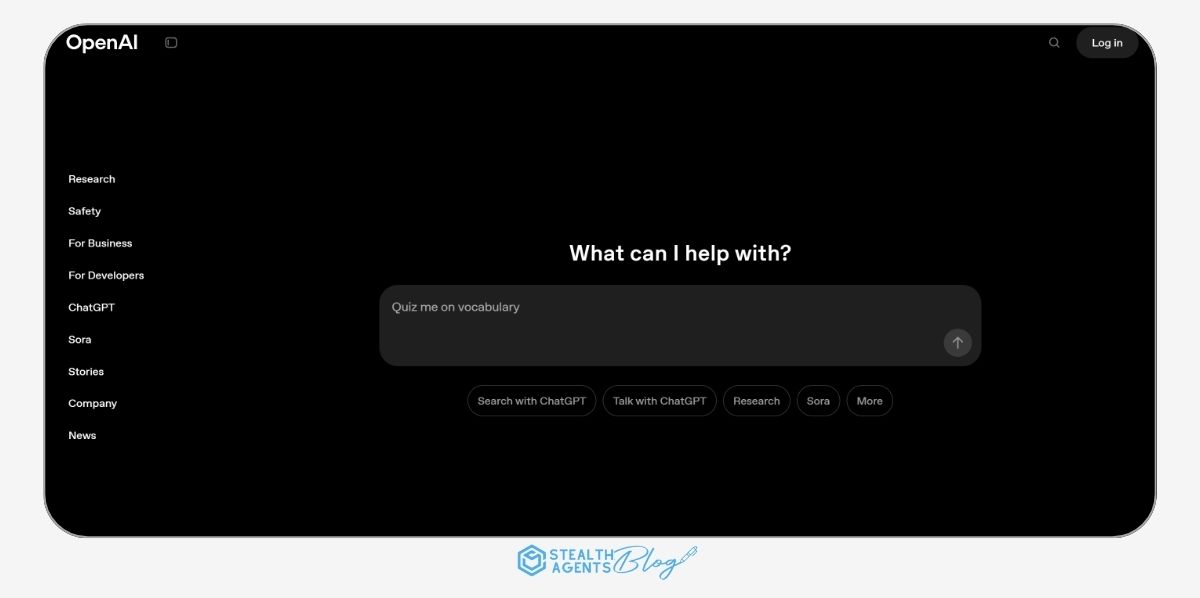
Key Features
- It is known for its GPT models, which are widely used by AI development companies.
- Provides tools for building AI software and chat applications.
- Cost-efficient AI solutions are perfect for startups and b2b service providers.
- Transparent about pricing and offers free-tier options for trials.
- Strong Google rating highlights its trustworthiness and effectiveness.
Website: www.openai.com
Pricing: Free and paid plans are available; API access is available for $0.02/million tokens.
Google Rating: 4.8
5. NVIDIA AI
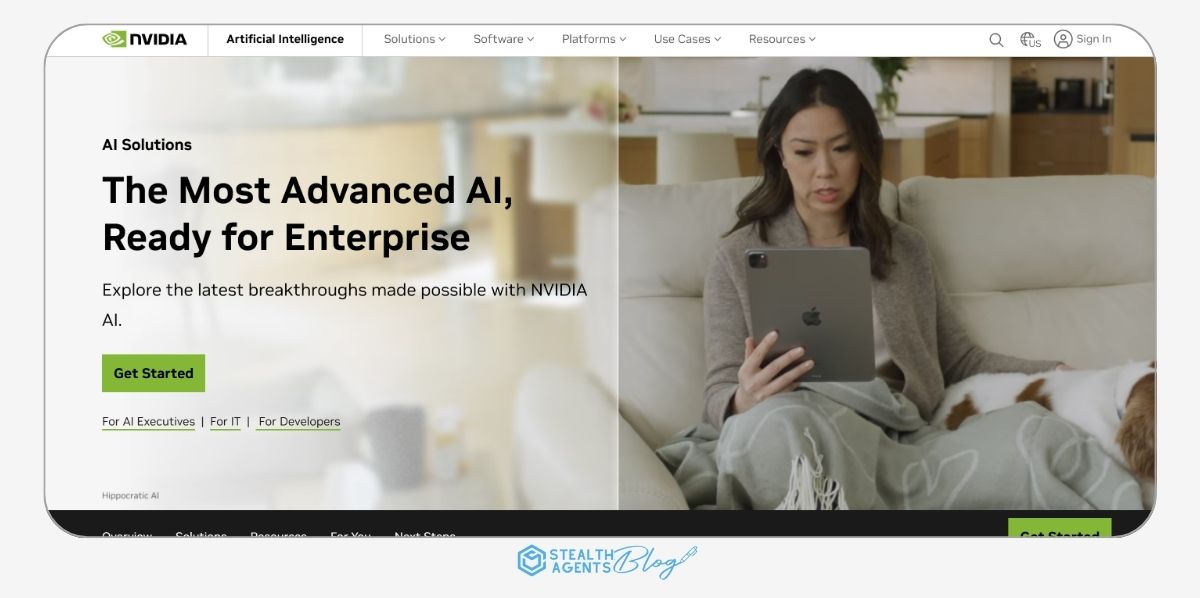
Key Features
- It specialises in hardware and software solutions and powers the top artificial intelligence companies.
- It supports AI software development companies with high-performance tools.
- A leading choice for AI platforms requiring strong GPU capabilities.
- Offers AI businesses for 3D rendering, simulations, and advanced analytics.
- Clear pricing options and high customer satisfaction ratings.
Website: www.nvidia.com
Pricing: Hardware starts at $199; software varies.
Google Rating: 4.7
6. Salesforce Einstein
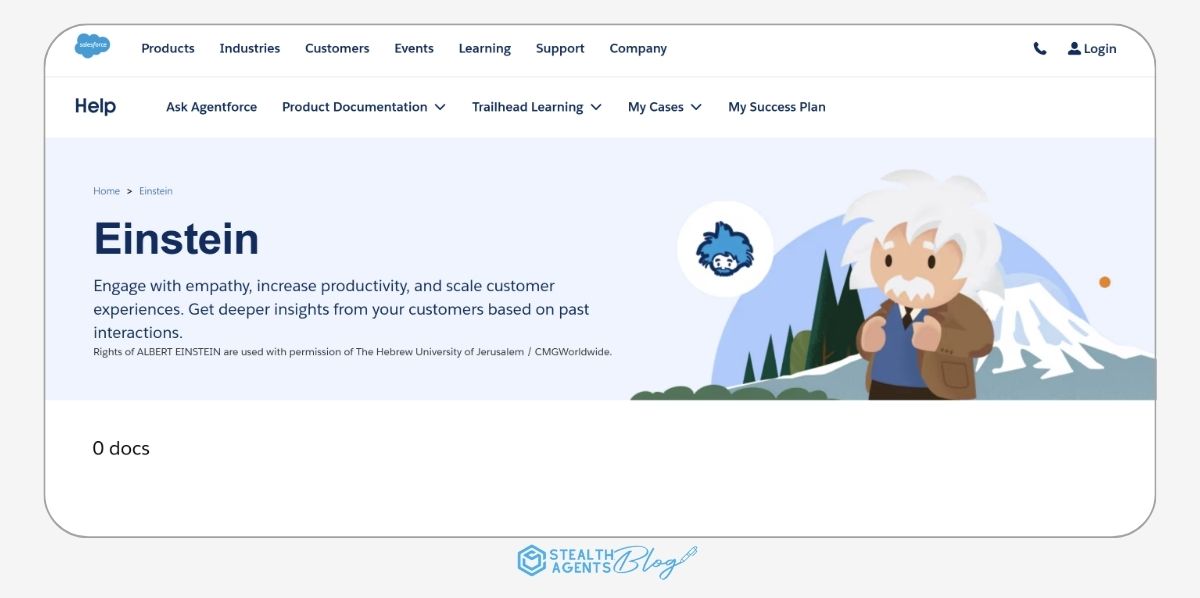
Key Features
- AI-powered CRM that provides actionable insights and sales forecasting.
- It is the ideal choice for artificial intelligence companies focusing on customer data.
- Affordable pricing plans are suited for small and medium enterprises.
- Easy integration with Salesforce tools makes it a go-to option for businesses.
- Excellent Google rating for its reliable customer support.
Website: www.salesforce.com
Pricing: Packages start at $25/user per month.
Google Rating: 4.5
7. Amazon AWS AI
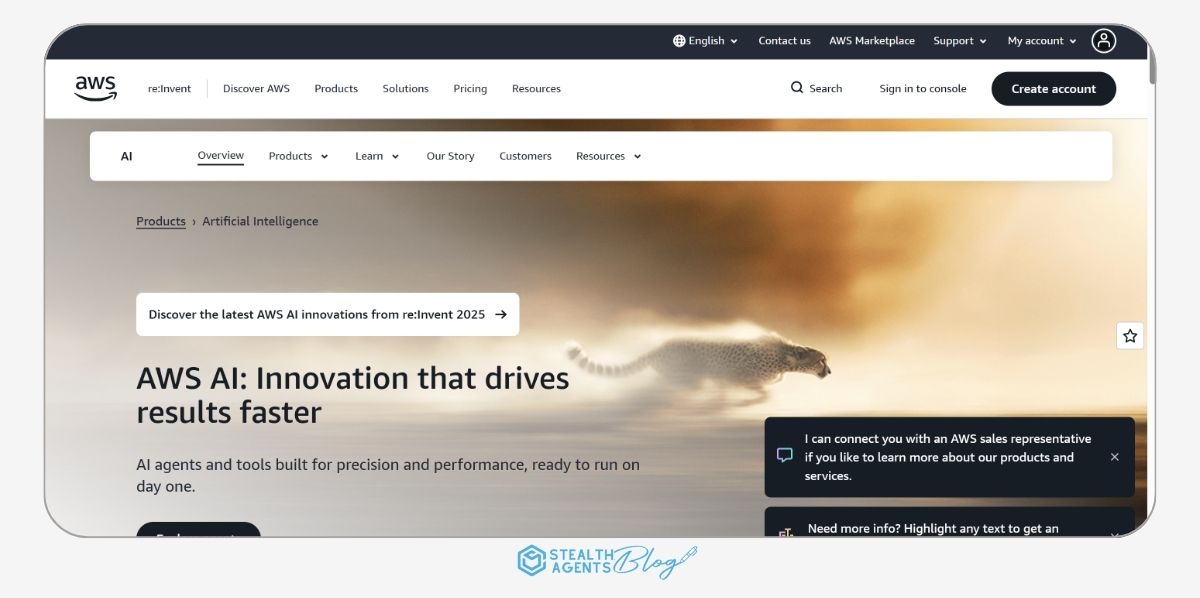
Key Features
- Offers a wide range of AI tools and solutions, including SageMaker for ML.
- Popular among artificial intelligence service providers for scalability.
- Transparent pricing and a pay-as-you-go model attract AI tech companies.
- Provides robust documentation and support for developers.
- Recognized for its global reliability across industries.
Website: aws.amazon.com
Pricing: Pay-as-you-go starting at $0.01 per GB.
Google Rating: 4.6
8. Baidu AI
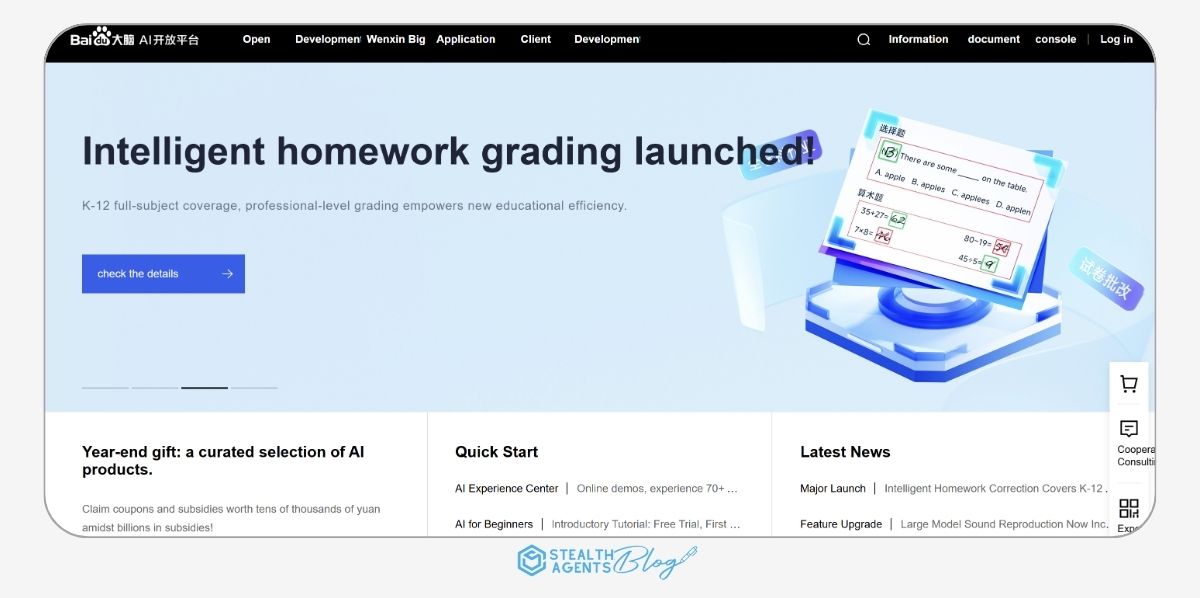
Key Features
- Powered by advanced Chinese-language AI capabilities and search solutions.
- AA is recognised as a leader among Asian AI solutions companies for linguistic AI.
- Affordable pricing adapts to a variety of industries, including education.
- Backed by world-class research from Baidu, a top AI technology company.
- It is well-rated for its focus on localised AI solutions.
Website: www.baidu.com
Pricing: Custom pricing is available on request.
Google Rating: 4.3
9. H2O.ai
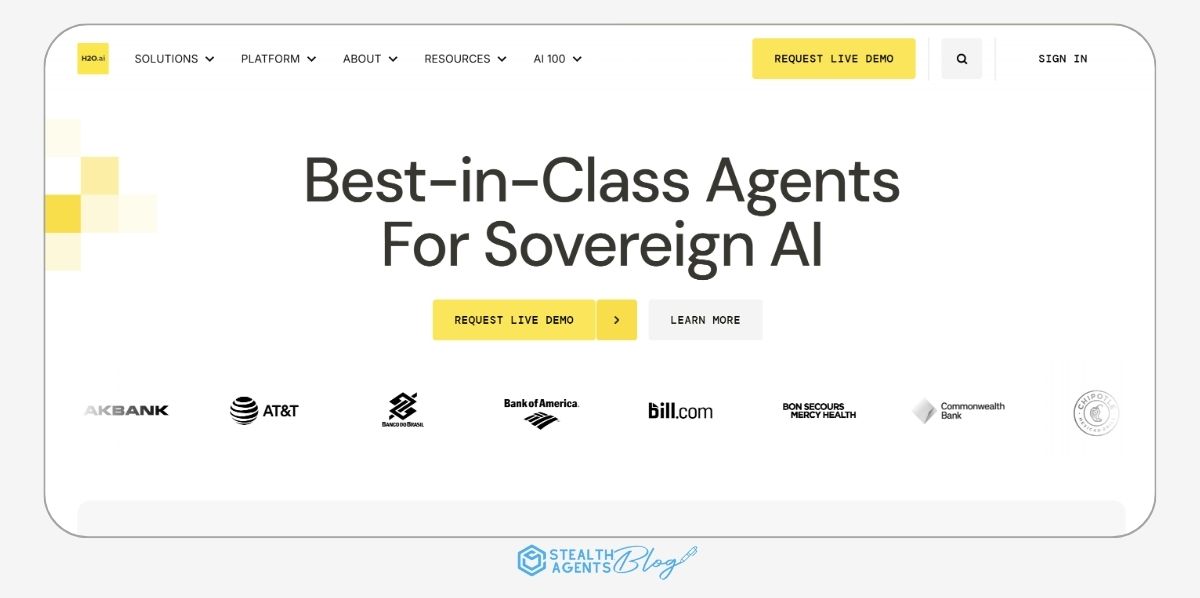
Key Features
- An open-source AI platform widely used by developers and AI research companies.
- Provides free-tier access for small developers and affordable options for businesses.
- Highly customizable, catering to different business needs.
- Simplifies machine learning workflows, making application deployment seamless.
- High ratings due to excellent customer feedback and documentation.
Website: www.h2o.ai
Pricing: Free and premium plans are available upon request.
Google Rating: 4.6
10. DataRobot
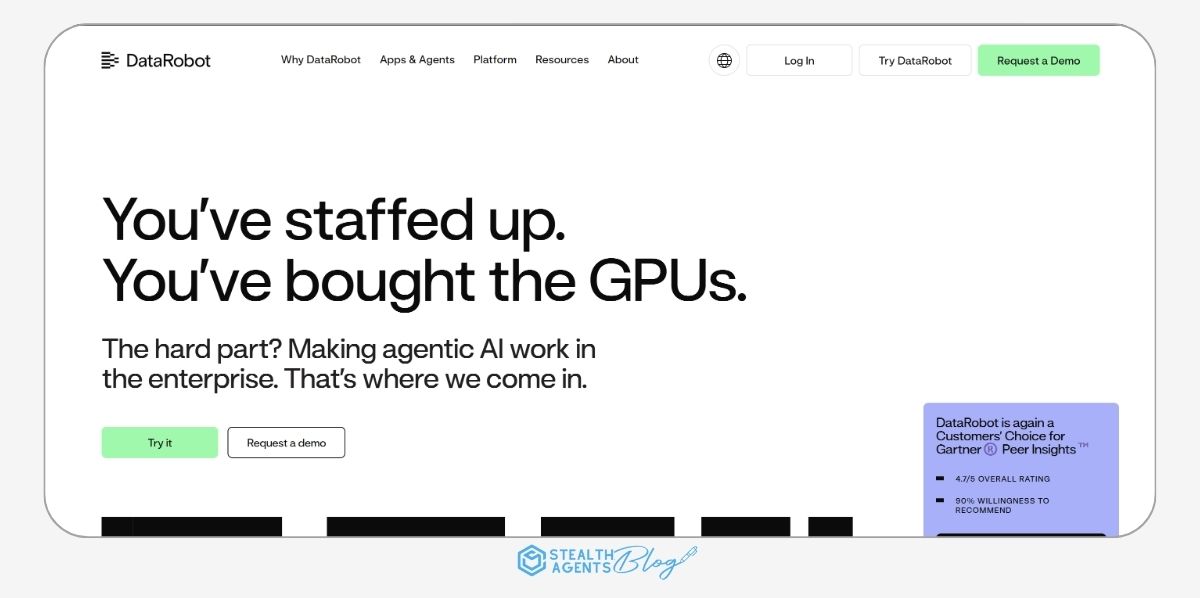
Key Features
- Top choice for automated machine learning platforms across industries.
- Focused on easy-to-use AI tools for AI development companies.
- Offers flexible licensing and subscription options.
- Supports integration with most major services, aiding service desk providers.
- Highly rated for its exceptional accuracy and speed in creating prediction models.
Website: www.datarobot.com
Pricing: Custom quote available.
Google Rating: 4.5
11. SAS AI
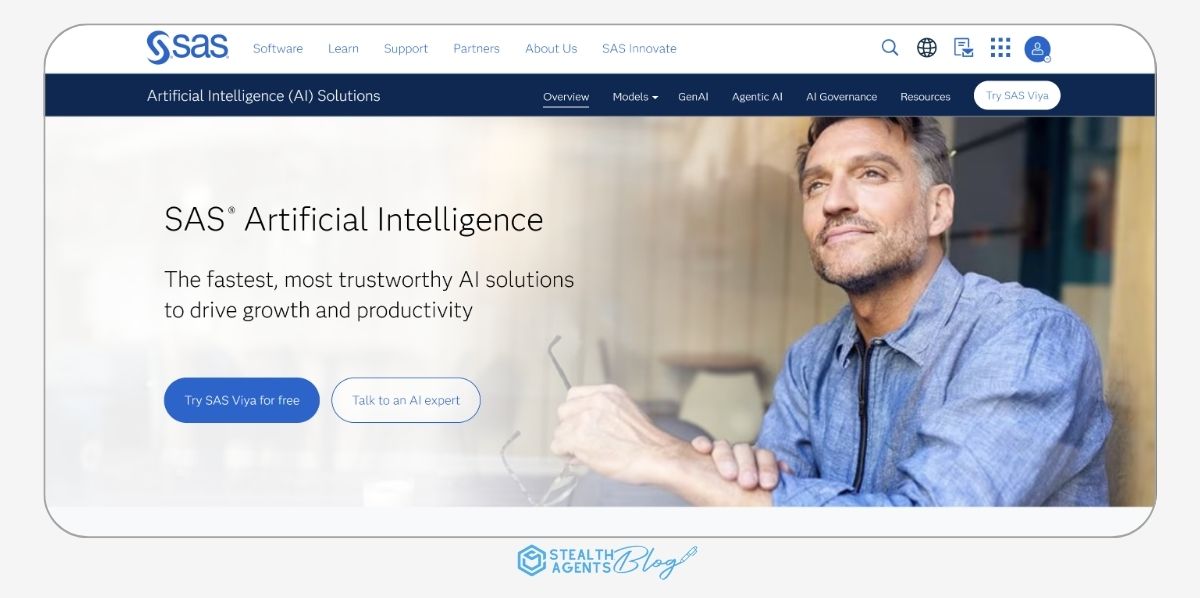
Key Features
- Advanced AI analytics tools designed for enterprises.
- Ideal for b2b service providers needing precise marketing optimisation.
- Offers affordable packages for startups and large firms alike.
- An easy-to-navigate platform makes adoption simple for new users.
- Excellent Google ratings highlight reliability among users.
Website: www.sas.com
Pricing: Custom plans available.
Google Rating: 4.4
12. C3 AI
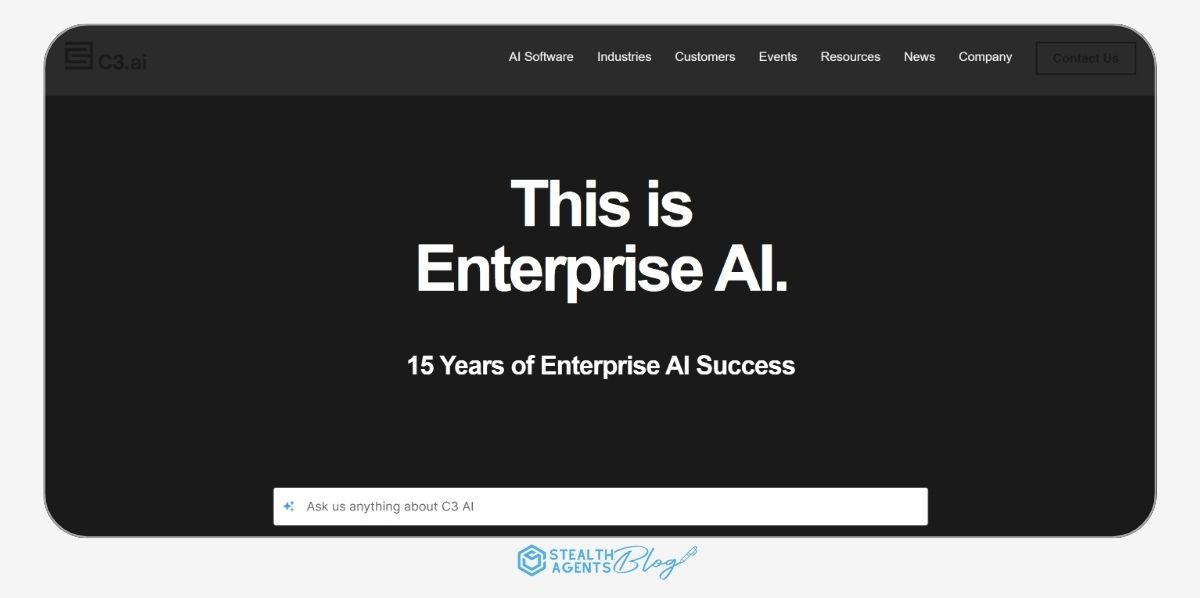
Key Features
- Known for its AI-powered enterprise applications.
- Tailored solutions for AI platform companies and enterprise clients.
- Transparent pricing and high scalability make it a preferred choice.
- Provides reliable AI, such as predictive maintenance and fraud detection.
- High ratings are supported by industry trust in its solutions.
Website: www.c3.ai
Pricing: Custom quotes upon request.
Google Rating: 4.5
13. Infosys Nia
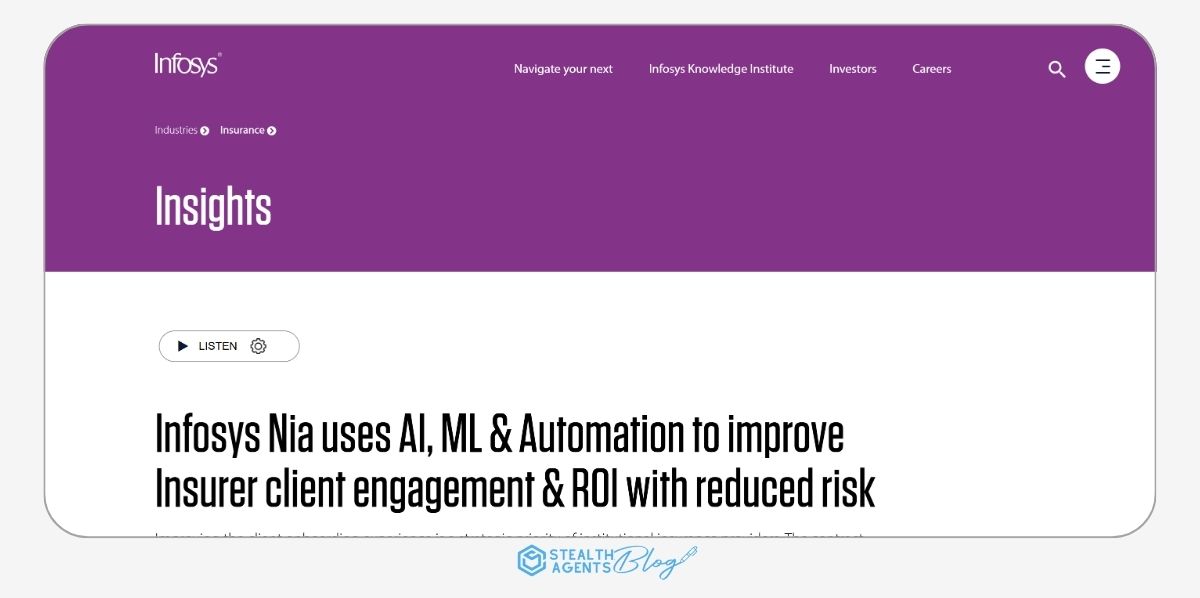
Key Features
- Many outsourcing providers in the Philippines use enterprise-grade AI tools.
- Cost-efficient solutions are perfect for AI businesses in multiple domains.
- High reliability helps it stand out among other artificial intelligence company options.
- Continuous updates ensure compatibility with evolving technologies.
- High customer satisfaction is reflected in its reviews.
Website: www.infosys.com
Pricing: Available upon request.
Google Rating: 4.3
14. Tencent AI
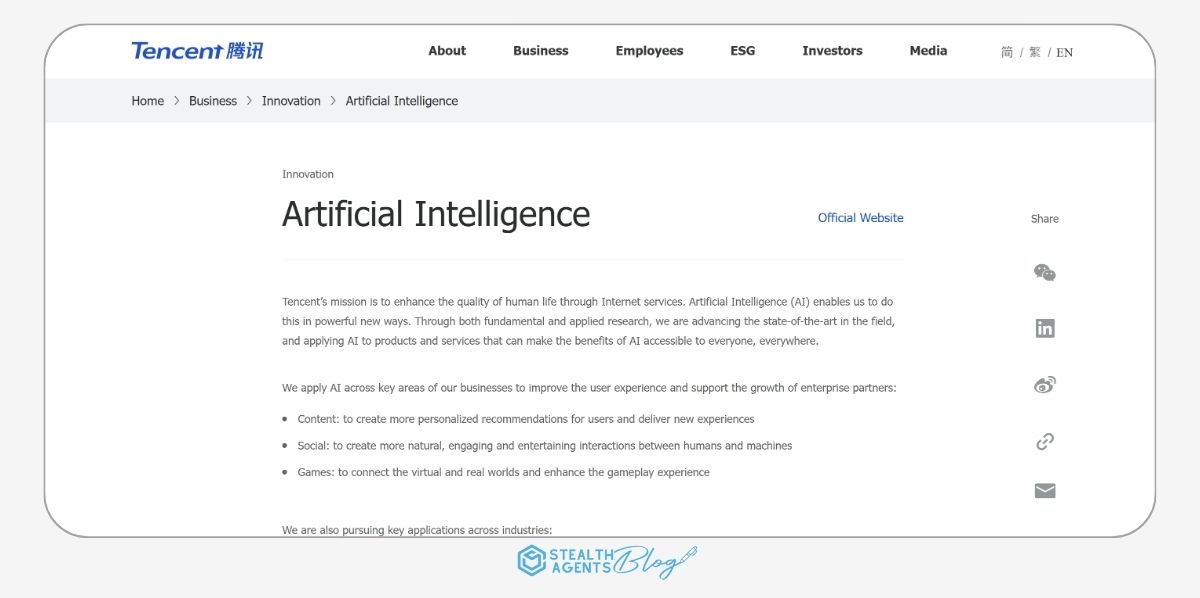
Key Features
- Known for its AI-based chatbots, offering robust solutions to b2b service providers.
- It provides image recognition, speech translation, and AI gaming tools.
- Flexible pricing plans catered towards small businesses and enterprises.
- Uses cutting-edge research to keep systems updated.
- Excellent Google ratings due to its adaptability in different sectors.
Website: www.tencent.com
Pricing: Custom plans offered.
Google Rating: 4.4
15. Adobe Sensei
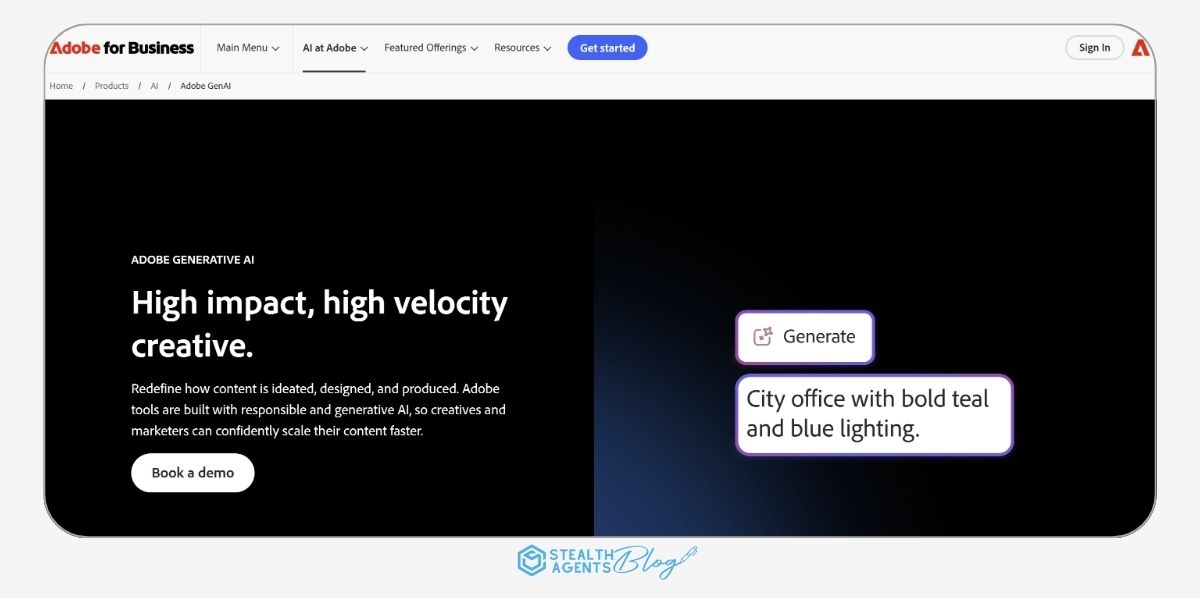
Key Features
- AI-driven creative tools for content creation and marketing analytics.
- Ideal choice for AI platform companies focusing on digital experience improvement.
- It supports AI businesses with automation in video editing, image recognition, and more.
- Flexible pricing with options suitable for individuals and enterprises.
- Highly rated for its user-friendly approach to AI tools and consistent updates.
Website: www.adobe.com
Pricing: Starting at $9.99/month.
Google Rating: 4.6
16. Appen
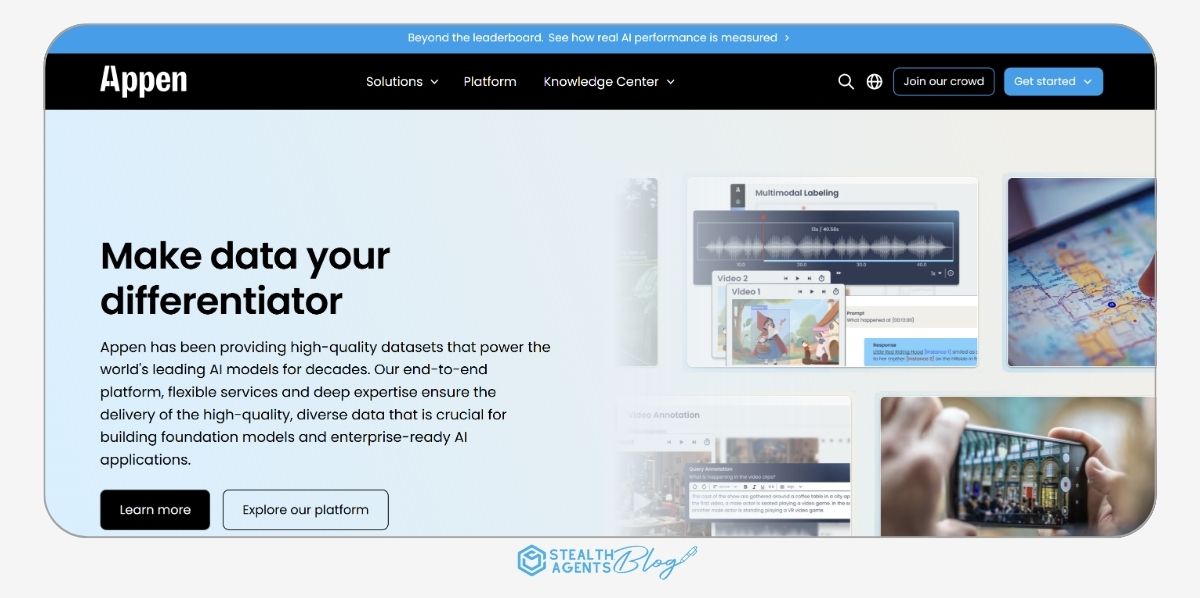
Key Features
- A global leader in data annotation for AI development companies.
- Trusted by top artificial intelligence companies for building training datasets.
- Offers scalable solutions for large and small AI technology companies.
- Specialises in machine learning training and natural language processing data.
- It comes with high industry approval and excellent Google ratings.
Website: www.appen.com
Pricing: Custom quotes are available.
Google Rating: 4.5
17. Cognizant AI
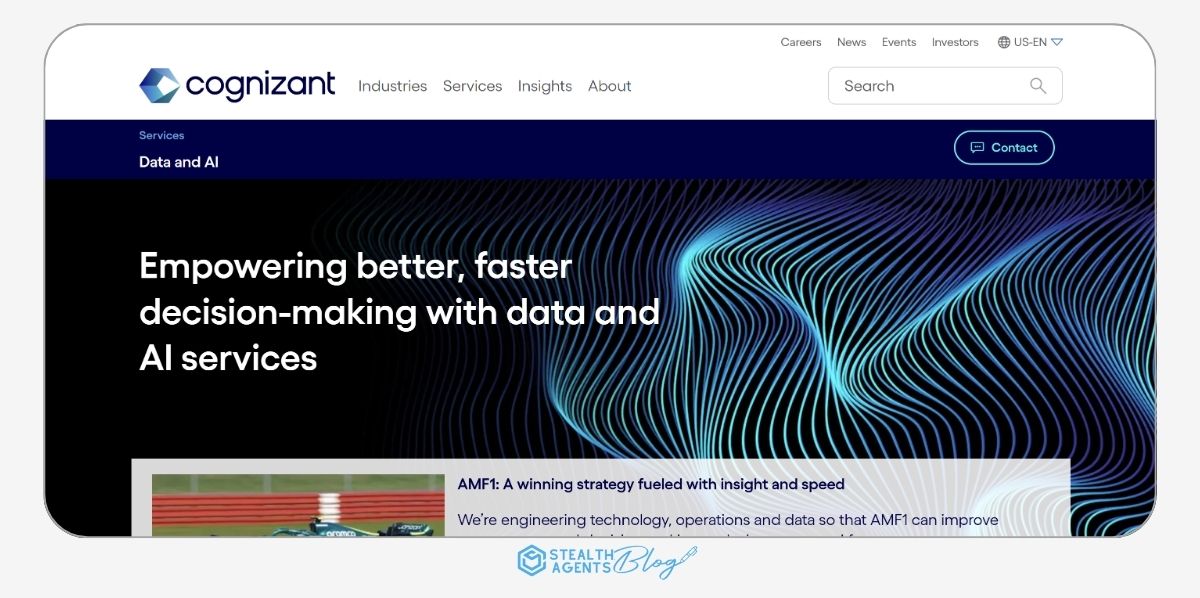
Key Features
- Offers AI-powered digital transformation for enterprise clients.
- It stands out among artificial intelligence companies for its end-to-end solutions.
- Trusted by b2b service providers for optimising workflows.
- Competitive pricing makes it accessible to various industries.
- Google’s statistics reflect its high customer satisfaction.
Website: www.cognizant.com
Pricing: Custom pricing upon request.
Google Rating: 4.4
18. Infosys AI
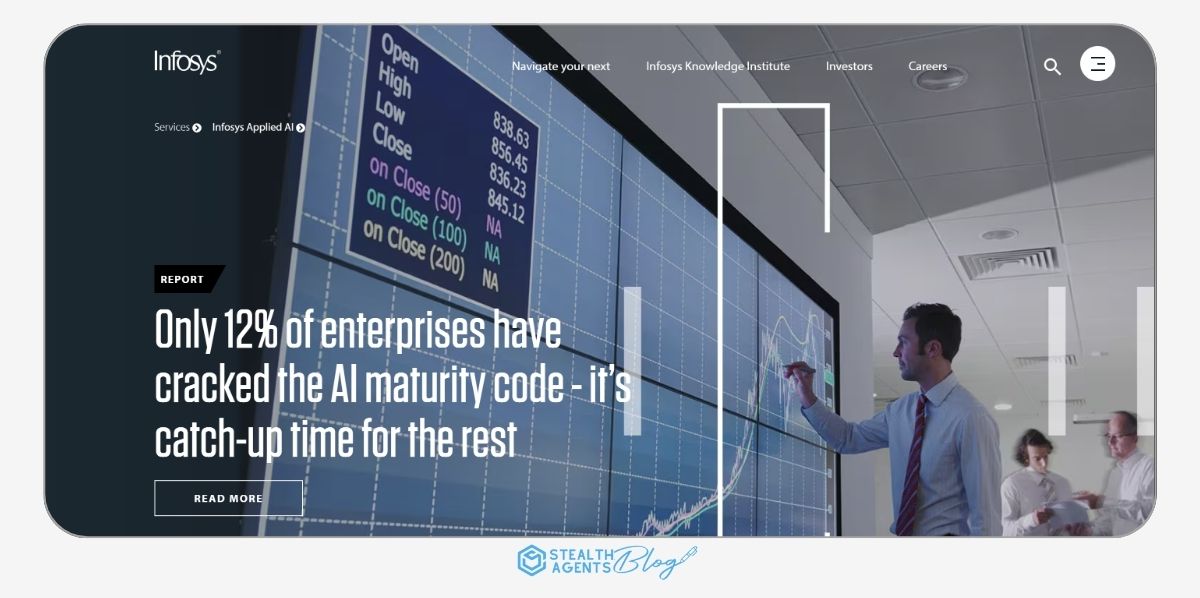
Key Features
- Delivers AI solutions for industries like finance, healthcare, and technology.
- Works closely with outsourcing providers in the Philippines to support global AI adoption.
- Offers cost-efficient AI-enhanced business process management solutions.
- Provides extensive training resources for AI software development companies.
- It is well-rated for its reliability and scalability.
Website: www.infosys.com
Pricing: Available upon inquiry.
Google Rating: 4.3
19. SAP AI
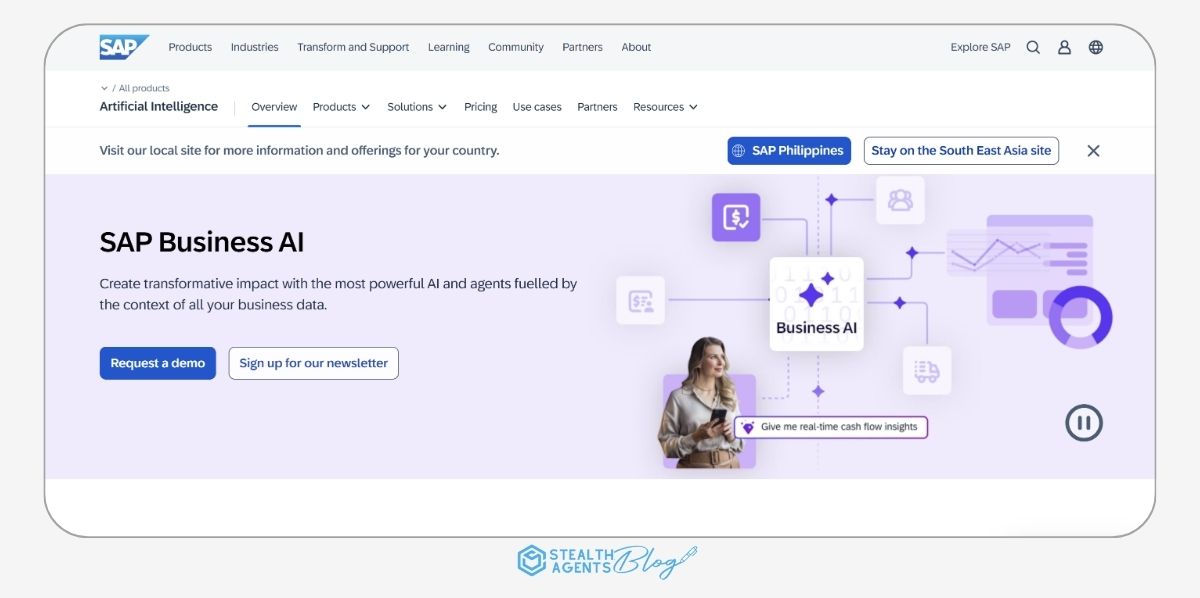
Key Features
- Integrates seamlessly with SAP’s streamlined management entity.
- A popular choice for enterprise-focused AI solutions companies.
- Provides predictive analytics and data insights for b2b service providers.
- Competitive pricing plans create value for both small and large businesses.
- Excellent feedback as one of the trusted artificial intelligence company options.
Website: www.sap.com
Pricing: Custom pricing tiers.
Google Rating: 4.5
20. Zoho AI
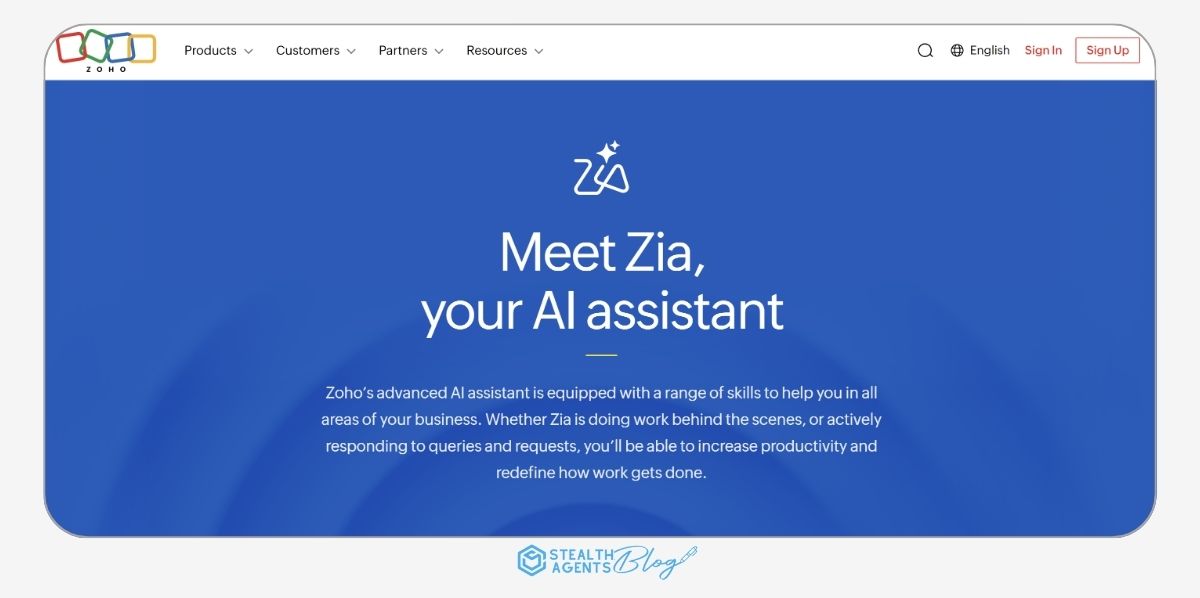
Key Features
- Embedded AI capabilities within Zoho applications for customer management.
- Easy-to-use tools make AI adoption accessible to small AI tech company startups.
- Optimised for service desk providers seeking AI-enhanced automation.
- Affordable pricing for startups and SMEs, ensuring broad applicability.
- Highly rated for its ease of use and consistency in customer support
Website: www.zoho.com
Pricing: Starts at $12/month.
Google Rating: 4.4
21. Oracle AI
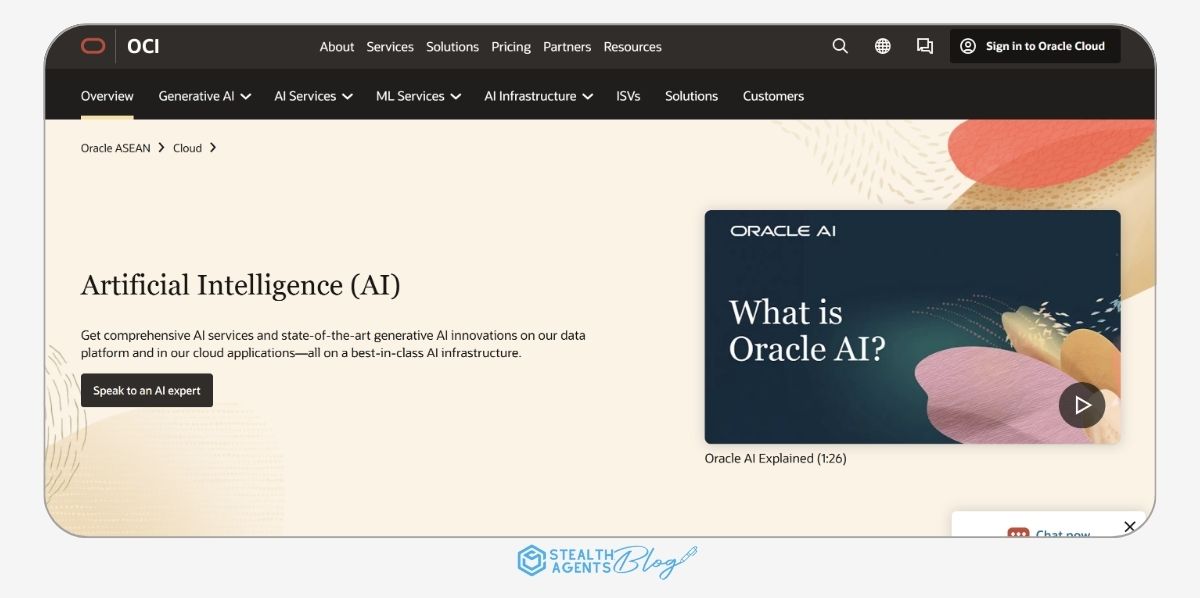
Key Features
- Offers AI-powered business management tools across industries.
- Ideal for AI research companies looking for data integration and analysis solutions.
- Competitive pricing for enterprises and AI businesses of all sizes.
- It focuses heavily on security and ensures robust solutions for b2b service providers.
- Positive Google reviews are due to its enterprise-grade capabilities.
Website: www.oracle.com
Pricing: Custom pricing models.
Google Rating: 4.5
22. Clarifai
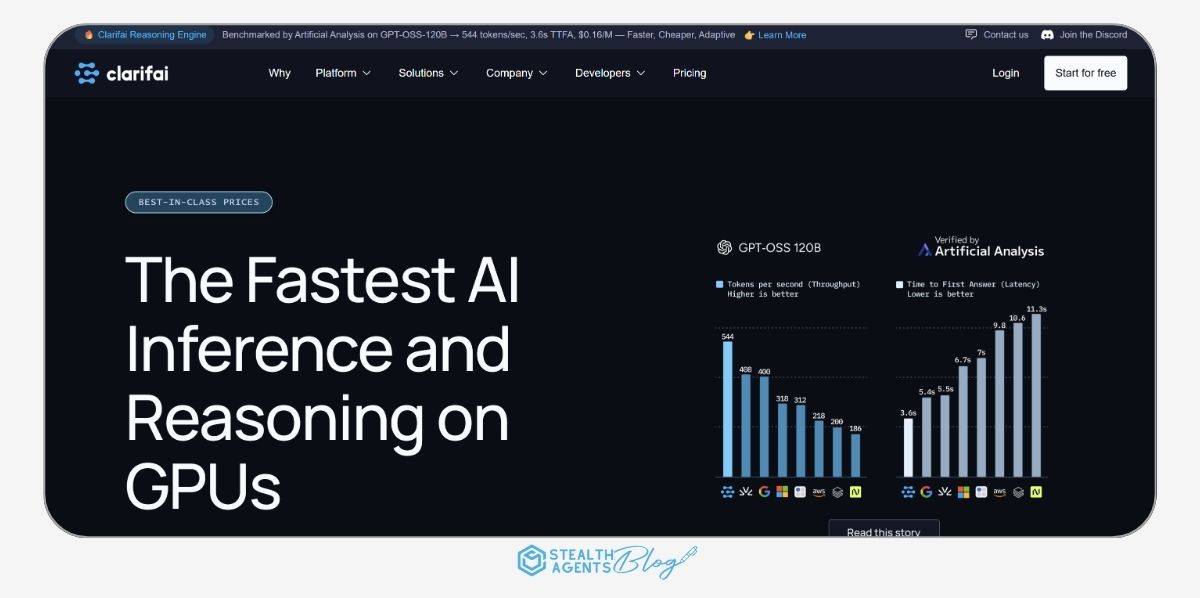
Key Features
- Specialises in image and video recognition technologies.
- Trusted by AI platform companies for media automation and analytics.
- Transparent pricing that includes free and premium-tier options.
- Simple API integration makes it suitable for software development companies.
- Highly rated as a user-friendly solution for visual AI problems.
Website: www.clarifai.com
Pricing: Free tier available; paid plans start at $30/month.
Google Rating: 4.4
23. Element AI (Now part of ServiceNow)
Key Features
- Tailored AI solutions for enhancing customer service operations.
- Recognised as a valuable addition to dissolution companies after the merger with ServiceNow.
- Offers dynamic workflow tools specifically for service desk providers.
- Designed to improve decision-making in industries like healthcare and retail.
- Excellent reviews for its well-documented approach.
Website: www.servicenow.com
Pricing: Based on solutions provided.
Google Rating: 4.3
24. IBM Watson
Key Features
- Exceptional natural language processing capabilities that solve complex business issues.
- Used by AI platform companies globally for advanced data analysis.
- Offers flexible pricing plans tailored to meet diverse needs.
- Backed IBM’s AI resources, adding unparalleled credibility.
- Highly rated for support, it is a top artificial intelligence solutions company.
Website: www.ibm.com
Pricing: Starts from $0.03/hour for cloud compute API access.
Google Rating: 4.4
25. UiPath AI
Key Features
- Leader in AI-driven robotic process automation (RPA) solutions.
- Supports AI development companies by automating repetitive tasks effectively.
- Offers seamless integration with existing enterprise platforms.
- Transparent pricing is tailored for businesses of all sizes, including AI tech companies.
- Highly rated for its consistency and user support services.
Website: www.uipath.com
Pricing: Custom pricing available.
Google Rating: 4.6
26. IBM Global Services
Key Features
- Provides comprehensive artificial intelligence for modern enterprises.
- Trusted by AI solutions companies for its depth of technical expertise.
- Delivers AI-driven consulting and technical implementation.
- Known for effective results across various sectors like finance and healthcare.
- Positive reviews underline reliability and solution-driven approaches.
Website: www.ibm.com/services
Pricing: Tailored quotes are available upon request.
Google Rating: 4.5
27. Genpact AI
Key Features
- Specialises in artificial intelligence solutions for supply chain and operational management.
- Frequently collaborates with outsourcing providers in the Philippines for global projects.
- Focused on simplifying business processes through AI automation.
- Affordable and scalable solutions make it ideal for b2b service providers.
- It is well-rated for its adaptability to diverse industries.
Website: www.genpact.com
Pricing: Custom pricing based on contracts.
Google Rating: 4.4
28. Salesforce Tableau AI
Key Features
- Provides AI-enhanced data visualisation and analytics platforms.
- Popular among artificial intelligence companies for its intuitive tools.
- Affordable pricing options for AI businesses of varying sizes.
- Recognised for its ability to convert raw data into actionable insights.
- High customer reviews make it a trusted choice for mmany organisations
Website: www.salesforce.com/tableau
Pricing: Starts at $70/user per month.
Google Rating: 4.6
29. ServiceNow AI
Key Features
- Offers exceptional AI-driven customer service tools for corporate environments.
- Frequently used by service desk providers to enhance help desk efficiency.
- Transparent, tier-based pricing ensures suitability for organisations of all sizes.
- Ensures high accuracy in addressing customer queries and ticket management.
- Highly rated for its streamlined interface and technical support standards.
Website: www.servicenow.com
Pricing: Quote-based pricing available.
Google Rating: 4.5
30. Alibaba DAMO Academy
Key Features
- Leading AI research company in the fields of cloud intelligence and automation.
- Strong customer support makes it a favourite among AI platform companies globally.
- Cost-effective solutions catered to industries like retail, logistics, and technology.
- Frequently updated tools ensure they stay relevant for AI tech companies.
- Highly rated for its pioneering quality in AI research and platform services.
Website: damo.alibaba.com
Pricing: Flexible pricing; custom quotes available.
Google Rating: 4.6
31. Wipro HOLMES
Key Features
- Offers AI and automation solutions primarily for enterprise-level operations.
- It is ideal for artificial intelligence companies requiring large-scale implementation.
- Flexible pricing with competitive packages for outsourcing providers in the Philippines.
- Strong emphasis on cybersecurity in its AI applications.
- Positive reviews highlight its tailored approach to client needs.
Website: www.wipro.com
Pricing: Custom quotes are available on request.
Google Rating: 4.5
32. Cognigy
Key Features
- Offers cutting-edge conversational AI platforms for customer communication.
- Popular among AI businesses for creating chatbots and intelligent IVR systems.
- Provides tools suitable for service desk providers to enhance automation.
- Flexible subscription models make it accessible to startups and enterprises.
- Known for its quick implementation and positive Google reviews.
Website: www.cognigy.com
Pricing: Tailored quotes available.
Google Rating: 4.5
33. Fractal Analytics
Key Features
- Offers AI and advanced analytics solutions focused on enterprise growth.
- Well-suited for AI platform companies needing customer analytics tools.
- Extensive experience with Fortune 500 companies adds industry trustworthiness.
- Transparent pricing models for businesses of all sizes.
- Highly rated for combining AI tools with real-world problem-solving insights.
Website: www.fractal.ai
Pricing: Contact for pricing options.
Google Rating: 4.6
34. SenseTime
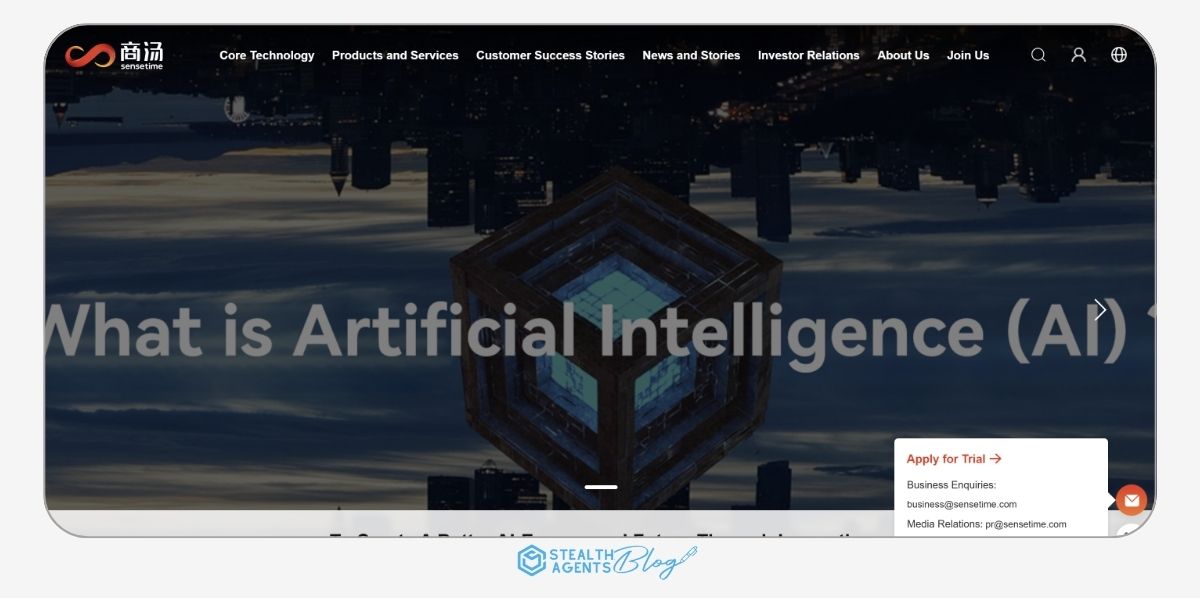
Key Features: Specialises in AI solutions for facial recognition and image processing.
- A key player in the list of artificial intelligence companies focused on security and surveillance.
- Works with AI research companies to innovate in visual AI technology.
- Offers scalable pricing options for organisations worldwide.
- Praised for accuracy and innovation in AI-powered visual tech.
Website: www.sensetime.com
Pricing: Custom quotes upon request.
Google Rating: 4.4
35. Zoovu
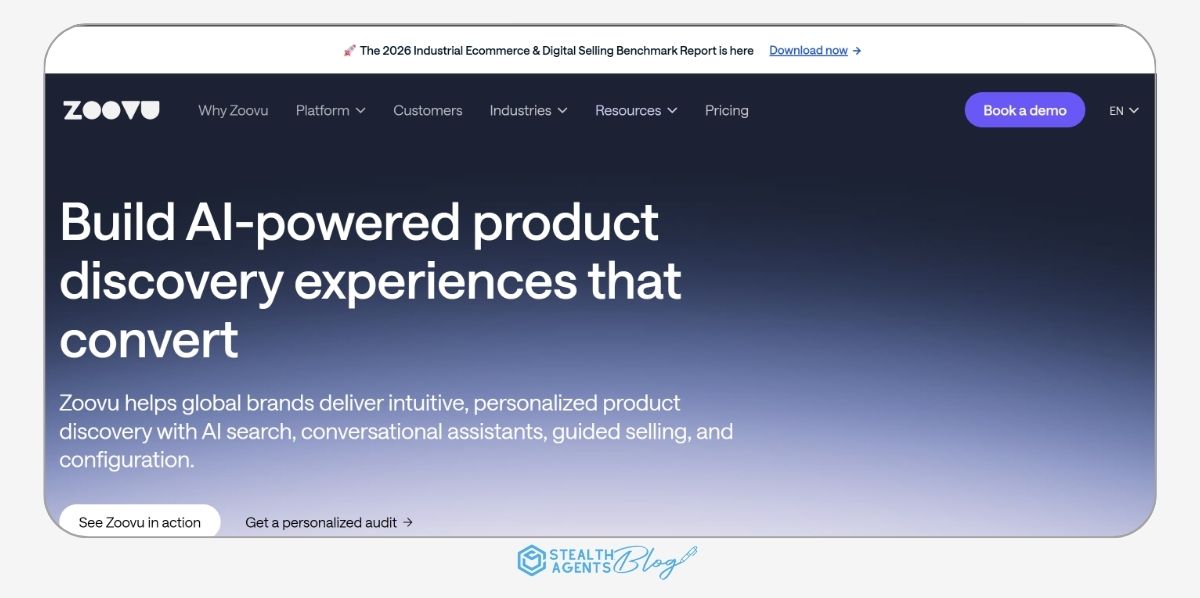
Key Features
- AI-powered search and product discovery solutions for e-commerce businesses.
- Streamlines customer experience for AI solutions companies aiming for better client engagement.
- Flexible subscription plans tailored to small businesses and large enterprises.
- Easy integration with CMS platforms simplifies workflows for b2b service providers.
- Highly rated for boosting sales through personalised recommendations.
Website: www.zoovu.com
Pricing: Pricing on request.
Google Rating: 4.5
36. Affectiva

Key Features
- Leading in AI-based emotion recognition and behaviour analysis.
- Trusted by top artificial intelligence companies for developing emotionally intelligent applications.
- Flexible pricing options cater to diverse industry needs.
- Positive Google ratings reflect its reliability and unique AI offering.
- Backed by intense research, ensuring top-tier solutions.
Website: www.affectiva.com
Pricing: Custom quotes are available.
Google Rating: 4.4
37. MindMeld (Cisco)
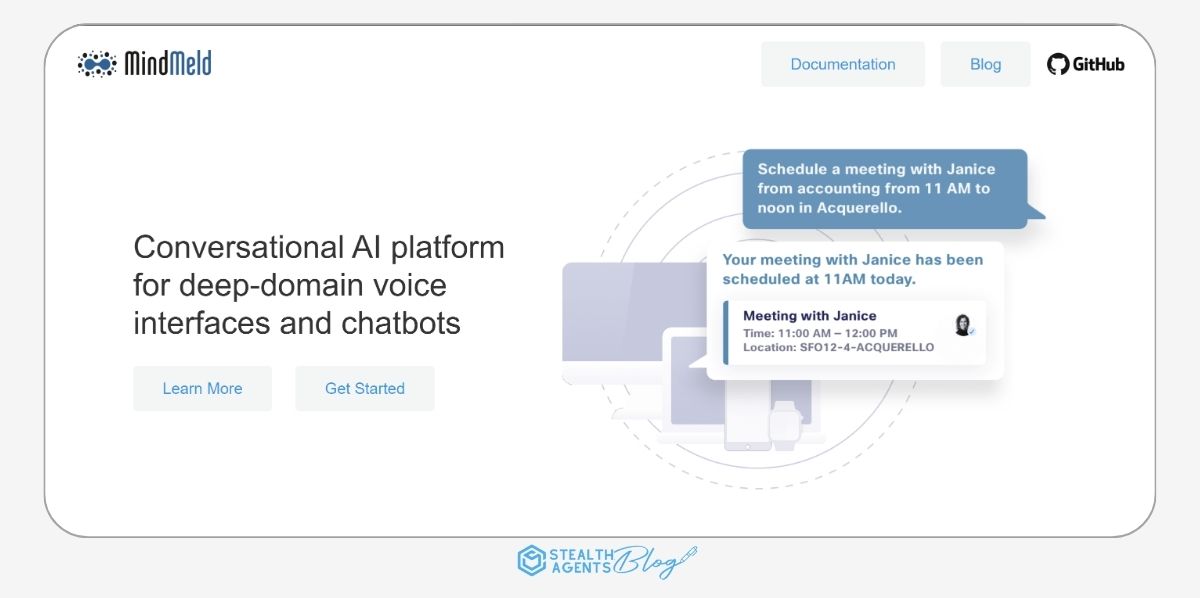
Key Features
- Conversational AI platform for intelligent voice and chat applications.
- Supports AI software development companies in building virtual assistants.
- Works seamlessly for service desk providers in automating query resolution.
- Transparent pricing models fit both startups and enterprises.
- It is well-rated for its extensive API support and reliability.
Website: www.cisco.com
Pricing: Custom pricing upon inquiry.
Google Rating: 4.5
38. Pega AI
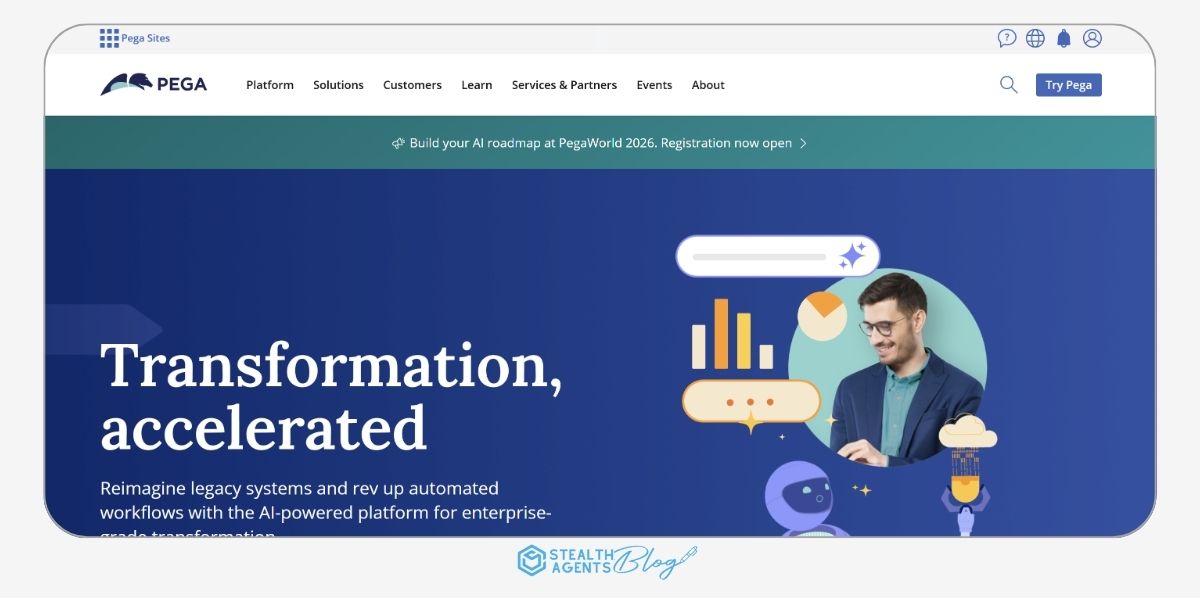
Key Features
- Combines AI with CRM for personalised customer management.
- It is ideal for businesses focused on streamlining operational workflows.
- Offers intuitive dashboards and analytics tools at competitive subscription rates.
- Frequently used by b2b service providers for customer engagement enhancements.
- Known for reliability and high user approval rates.
Website: www.pega.com
Pricing: Custom quotes are available.
Google Rating: 4.6
39. Veritone
Key Features
- AI operating system built for managing cognitive applications and analytical workflows.
- Aimed at artificial intelligence companies working with large-scale data.
- Includes flexible licensing to suit enterprise requirements.
- The pricing lineup makes it accessible to a wide range of businesses.
- Excellent reviews for its usability and functionality.
Website: www.veritone.com
Pricing: Contact for pricing details.
Google Rating: 4.5
40. Amelia (IPsoft)
Key Features
- AI-based virtual assistants help automate customer interactions.
- Recognised as one of the biggest virtual assistant providers in the Philippines and globally.
- Works with tech company clients to deliver scalable solutions for enterprises.
- Transparent pricing makes it ideal for service desk providers.
- High customer satisfaction due to consistent performance and updates.
Website: www.amelia.com
Pricing: Custom quotes are available.
Google Rating: 4.4
41. NLG.ai

Key Features
- Natural language solutions tailored for content and data insights.
- Supports AI development companies by creating human-like conversational outputs.
- Offers free trials and flexible subscriptions to suit various needs.
- Trusted for its ease of integration with AI technology company platforms.
- High Google reviews for its accuracy and simplicity.
Website: www.nlg.ai
Pricing: Free trial; custom pricing.
Google Rating: 4.5
42. DeepInstinct
Key Features
- AI-powered cybersecurity focuses on advanced threat detection and prevention.
- Serves company clients with robust tools for artificial intelligence solutions.
- Flexible plans make it accessible for small and large-scale implementation.
- Recognised for its cutting-edge research in threat detection.
- High ratings for its efficiency and accuracy in cybersecurity AI applications.
Website: www.deepinstinct.com
Pricing: Custom pricing available.
Google Rating: 4.6
43. LivePerson AI
Key Features
- AI-powered chat solutions are designed to enhance live customer engagement.
- Trusted by AI businesses and b2b service providers for meaningful interactions.
- Competitive pricing attracts both startups and larger enterprises.
- High Google ratings for its pro-customer service approach.
- Integrates effectively with CRM platforms for increased usability.
Website: www.liveperson.com
Pricing: Contact for pricing.
Google Rating: 4.4
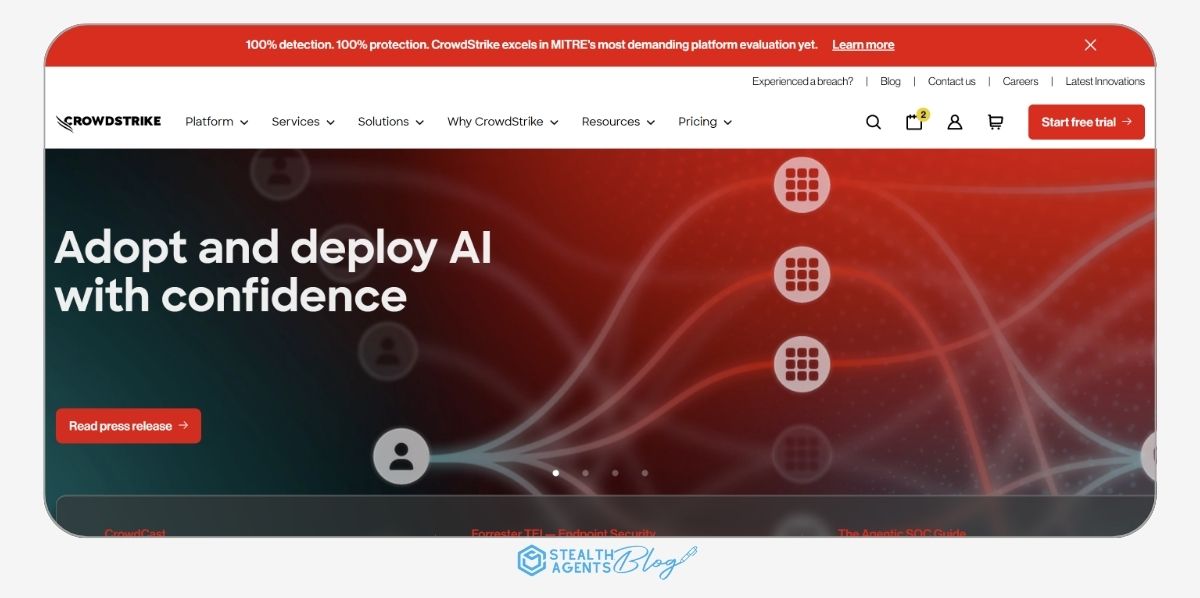
44. CrowdStrike AI
Key Features
- AI-enhanced threat intelligence platform for cybersecurity solutions.
- Focused on protecting AI research companies and b2b service providers from advanced threats.
- Offers scalable pricing solutions for various industries.
- High Google ratings due to its efficiency in preventing network breaches.
- Constant updates ensure it stays ahead in cybersecurity innovation.
Website: www.crowdstrike.com
Pricing: Custom pricing.
Google Rating: 4.6
45. RocketML
Key Features
- High-speed machine learning platform suited for intensive data-driven tasks.
- Regularly used by artificial intelligence companies for predictive modelling.
- Transparent pricing models with free trials for first-time users.
- Integrates well with cloud-based applications.
- Excellent Google reviews highlight its speed and dependability.
Website: www.rocketml.com
Pricing: Free trials available; custom pricing.
Google Rating: 4.5
46. Skymind AI
Key Features
- Provides open-source AI technology tailored for enterprises.
- Trusted by top artificial intelligence companies for deep learning capabilities.
- Cost-effective pricing for both startups and established enterprises.
- Strong focus on AI research and ongoing development.
- Positive reviews for ease of integration and application.
Website: www.skymind.ai
Pricing: Pricing on request.
Google Rating: 4.4
47. Able
Key Features
- Delivers adaptive AI solutions for companies looking to optimise operations.
- It works seamlessly with a tecomcompany’s sedseds by offering automated recommendations.
- Designed for quick deployment with transparent pricing models.
- It focuses on flexibility and caters to a wide range of industries.
- Highly rated for its customisation and cost-effective solutions.
Website: www.aible.com
Pricing: Custom pricing available.
Google Rating: 4.5
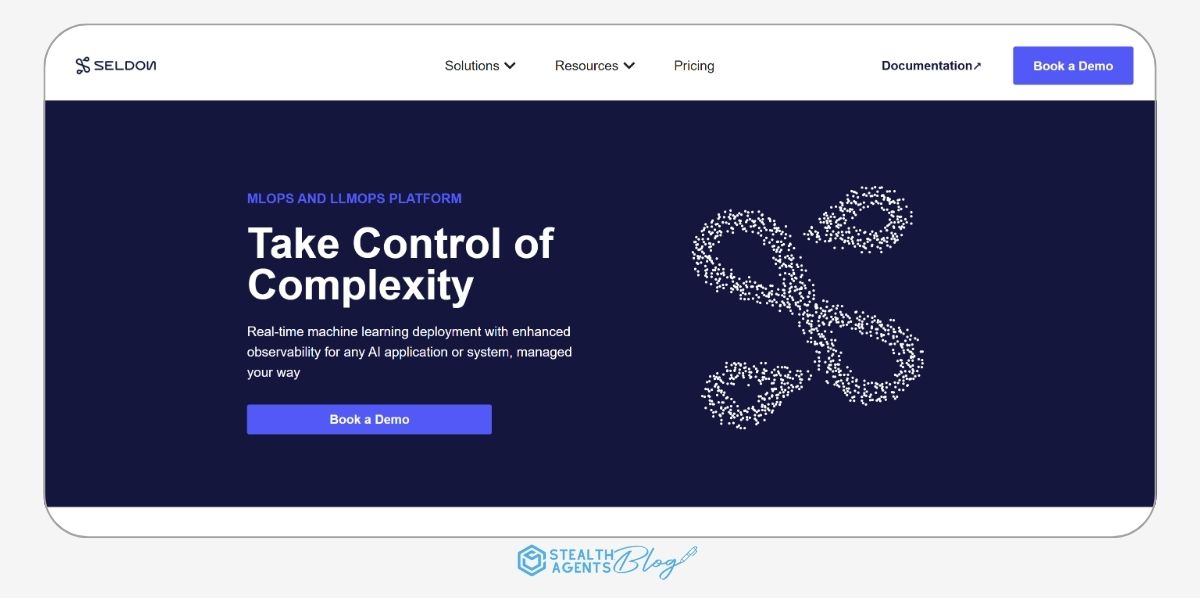
48. Seldon
Key Features
- Specialises in deploying machine learning models at scale.
- Its open-source nature makes it a favourite among AI software development companies.
- Transparent pricing for businesses of all sizes.
- Easy to use, aiding seamless implementation across platforms.
- Excellent Google ratings reflect consistent performance and usability.
Website: www.seldon.io
Pricing: Available upon request.
Google Rating: 4.6
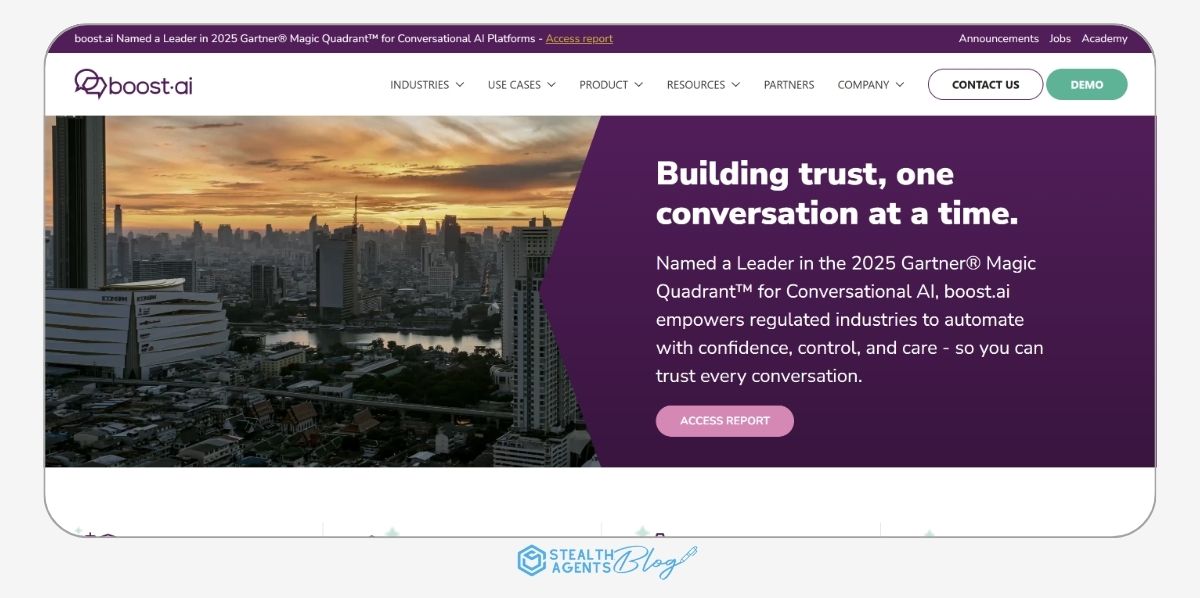
49. Boost.ai
Key Features
- An assistant platform designed for superior customer interaction.
- Recognised among the biggest virtual assistant providers in the Philippines for innovative chat solutions.
- Offers detailed analytics to enhance customer engagement.
- Flexible pricing options catering to small and large AI businesses alike.
- Highly rated for intuitive designs and industry relevance.
Website: www.boost.ai
Pricing: Custom quotes upon request.
Google Rating: 4.5
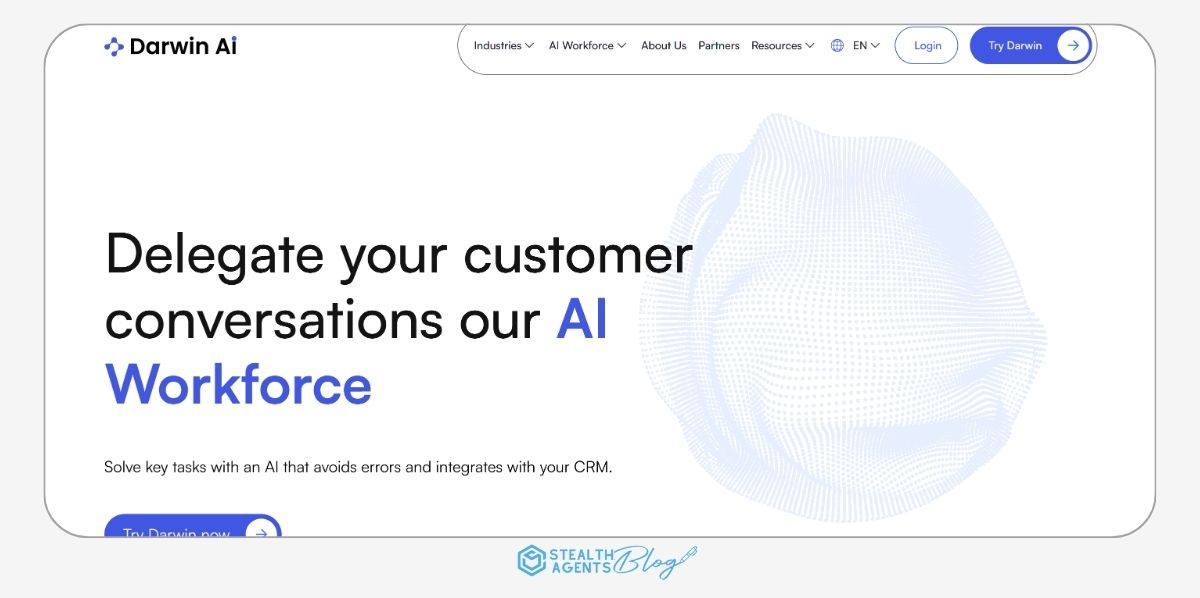
50. DarwinAI
Key Features
- Pioneering explainable AI to provide insights into deep learning decisions.
- A leader in AI research companies focusing on transparency in AI models.
- Flexible pricing structures attract both small and large enterprises.
- Frequently used by AI businesses aiming for secure and traceable AI automation.
- Strong reviews commend its unique approach to AI innovation.
Website: www.darwinai.com
Pricing: Contact for more details.
Google Rating: 4.6
Why should I choose Stealth Agents over other AI solution providers?
Stealth Agents stands out because we combine powerful AI solution provider tools with human support that understands your real goals—sales, service, and growth. While other AI providers sell software and disappear, we offer a service that can stay involved through a dedicated account manager who tracks your success and keeps you updated regularly. Unlike many AI solutions companies, we bring you access to cold calling service providers, GoHighLevel CRM specialist support, and automation that fits your exact business model without the hassle.
Whether you’re used to lead generation, handling support tickets, or updating customer records, we have the tools and people to get it done right, including top 1% virtual assistants and executive assistants with 10–15+ years of experience. You’ll also enjoy our secure cloud platform for real-time visibility and seamless collaboration with your support team. With the best reviews on Google and a reputation that led Forbes torecognizee us as one of the top 2 virtual assistant services, our commitment to quality is prove, —not promised.
Stealth Agents also ranks among the top 20 BPO providers for research lead generation, giving you even more confidence to move forward with us. youyou’readyady for an AI solution provider that helps—not just sells—Stealth Agents is the smarter move.

How Much Does It Cost to Work With an AI Solution Provider?
The cost of working with an AI solution provider depends on several factors, such as the nature of the project and the complexity of the technology. Pricing can range from a few thousand dollars for smaller tasks to hundreds of thousands for large-scale implementations. A virtual assistant provider in the Philippines or a specialised service desk provider also plays a significant role in pricing.
AI solutions provided by outsourcing providers in the Philippines are often cost-effective for tasks like customer service, analytics, or automation, giving businesses affordability without compromising quality. Businesses seeking b2b service providers may also need to consider integration costs, software licensing fees, and ongoing support, which can add to the overall expense.
Aside from these, the industry or sector also impacts pricing; industries requiring stricter compliance measures, like healthcare or finance, may face higher costs due to additional security requirements. Many outsourcing providers in the Philippines offer flexible pricing models, including pay-as-you-go or flat-rate options. These models allow you to tailor expenses to match your project. The cost will vary, but investing in a trusted AI solution provider ensures professional service that effectively meets your needs.
Frequently Asked Questions
How much do AI solution providers typically charge for their services in 2025?
AI solution provider pricing varies widely based on service complexity and business size. Basic automation tools may cost $50-500 monthly, while enterprise AI implementations range from $10,000-100,000+ annually. Many providers offer tiered pricing models, custom quotes, or pay-per-use structures. Small businesses can often start with affordable SaaS solutions before scaling to more comprehensive AI packages.
What qualifications should I look for when choosing an AI solution provider?
Look for providers with proven industry experience, relevant certifications (AWS, Google Cloud, Microsoft Azure), strong client testimonials, and technical expertise in your specific use case. Verify their data security compliance, implementation methodology, ongoing support offerings, and ability to integrate with your existing systems. Ask for case studies demonstrating measurable ROI in similar businesses.
How long does it typically take to implement AI solutions from top providers?
Implementation timelines vary by complexity. Simple AI chatbots or automation tools can be deployed in 1-4 weeks. Mid-level solutions like predictive analytics or custom workflows typically require 2-3 months. Enterprise-wide AI transformations may take 6-12 months. Most reputable providers offer phased rollouts to minimize disruption and demonstrate value quickly.
Which AI solution providers offer the best integration with existing business software?
Leading providers like IBM Watson, Microsoft Azure AI, and Google Cloud AI offer extensive integration capabilities with popular business software including Salesforce, SAP, and Microsoft Office. Look for providers with pre-built connectors, robust APIs, and experience with your specific tech stack to ensure seamless implementation without disrupting current workflows.
What are the main differences between AI-as-a-Service and custom AI development providers?
AI-as-a-Service providers offer ready-made solutions with faster deployment, lower upfront costs, and subscription-based pricing, ideal for standard use cases. Custom AI development providers create tailored solutions for unique business needs, offering greater control and customization but requiring higher investment and longer implementation times. Choose based on your specific requirements and budget.
How do I evaluate the ROI potential of different AI solution providers before committing?
Request detailed ROI projections, pilot programs, and success metrics from potential providers. Look for measurable outcomes like cost savings, efficiency gains, or revenue increases. Many top providers offer free assessments or proof-of-concept trials. Compare total cost of ownership, implementation timelines, and projected benefits across multiple vendors before making decisions.
What data security and compliance standards do leading AI solution providers follow?
Reputable AI providers adhere to SOC 2, ISO 27001, GDPR, HIPAA, and industry-specific compliance standards. They implement end-to-end encryption, secure data handling protocols, and regular security audits. Always verify their compliance certifications, data residency options, and breach response procedures, especially when handling sensitive customer or business information.
Which AI solution providers specialize in specific industries like healthcare or finance?
Industry-specialized providers include Veracyte and Tempus for healthcare AI, Palantir and DataRobot for financial services, and Salesforce Einstein for CRM-focused solutions. These specialists understand regulatory requirements, industry workflows, and specific use cases better than generalist providers, often delivering faster implementation and better results for sector-specific needs.
How do AI solution providers handle ongoing support and system updates?
Top AI providers offer 24/7 technical support, regular system updates, performance monitoring, and continuous model optimization. Many include dedicated account managers, training programs, and proactive maintenance. Evaluate their support tiers, response times, escalation procedures, and whether updates are included in your contract or require additional fees.
What are the key red flags to avoid when selecting an AI solution provider?
Avoid providers who make unrealistic promises, lack transparent pricing, have no verifiable case studies, or push one-size-fits-all solutions. Red flags include poor communication, no data security certifications, limited integration capabilities, or unwillingness to provide pilot programs. Be wary of providers without industry experience or those rushing implementation without proper assessment.